Why Strength Is One of the Most Important Predictors of Longevity
Strength is linked to longevity, independence, injury prevention, and quality of life. Learn why building strength matters far beyond performance in the gym.
By
May 12, 2026

Most people begin strength training because they want to:
Those are good reasons.
But one of the most important benefits of strength training has very little to do with aesthetics or performance.
Strength is one of the strongest long-term predictors of health, independence, and quality of life.
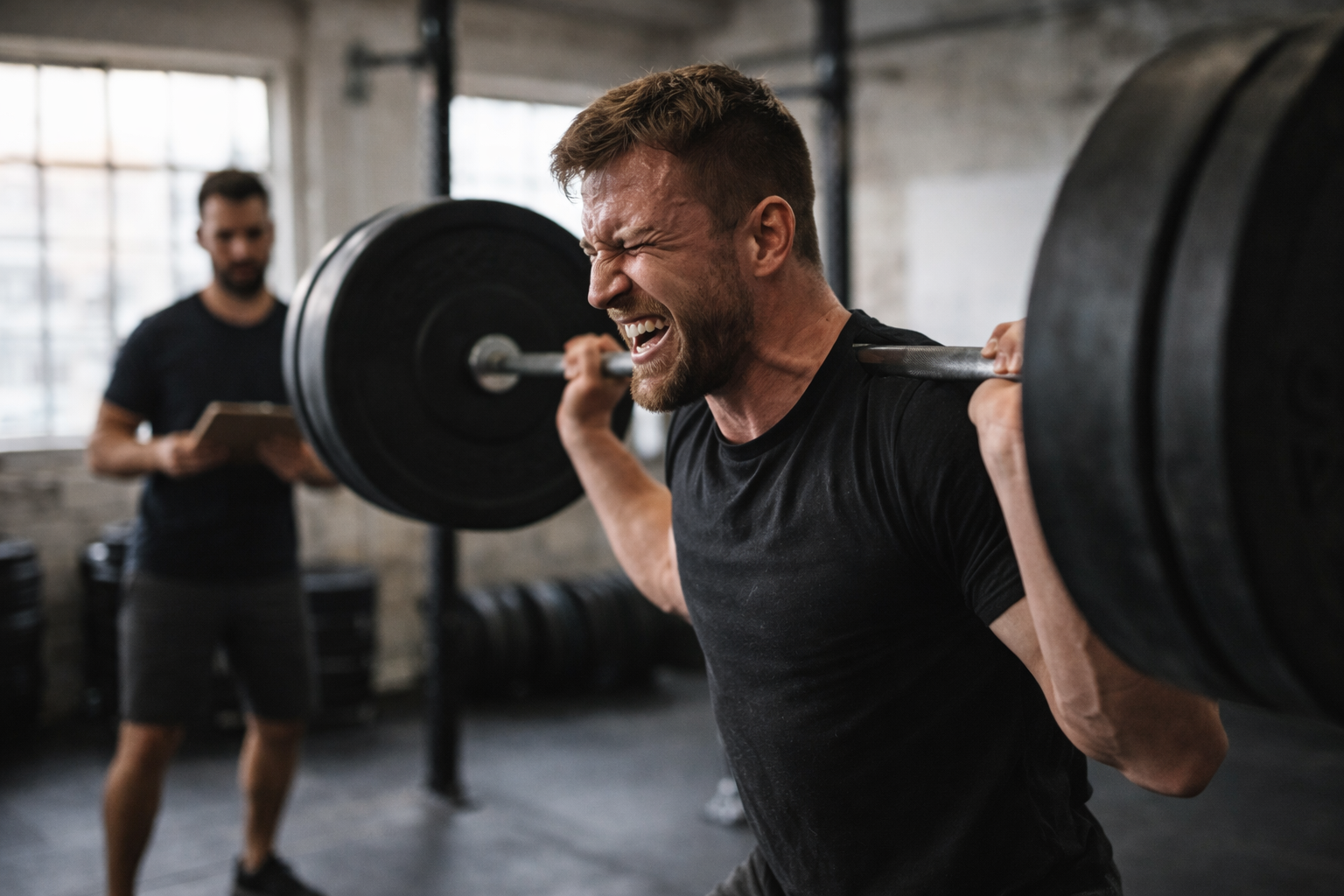
When people think about strength, they often picture lifting heavy weights.
But strength is really the body’s ability to:
That ability affects nearly everything you do.
Getting up from the floor. Carrying groceries. Climbing stairs. Catching yourself when you trip.
Strength is not just gym performance.
It is physical capability.
As we get older, muscle mass and strength naturally decline.
Without resistance training:
Over time, this loss of capacity becomes one of the biggest threats to independence.
Strength training helps slow and even reverse much of this decline.
Longevity is not just about lifespan.
It is about maintaining the ability to live well.
There is a major difference between:
The goal is not simply more years.
The goal is more capable years.
Strength training affects far more than muscles.
It improves:
It also supports:
This is one reason strength training consistently shows up at the center of long-term health recommendations.
One of the biggest misconceptions is that strength only matters for lifting.
In reality, strength improves:
A stronger body generally handles stress better.
That includes training stress and life stress.
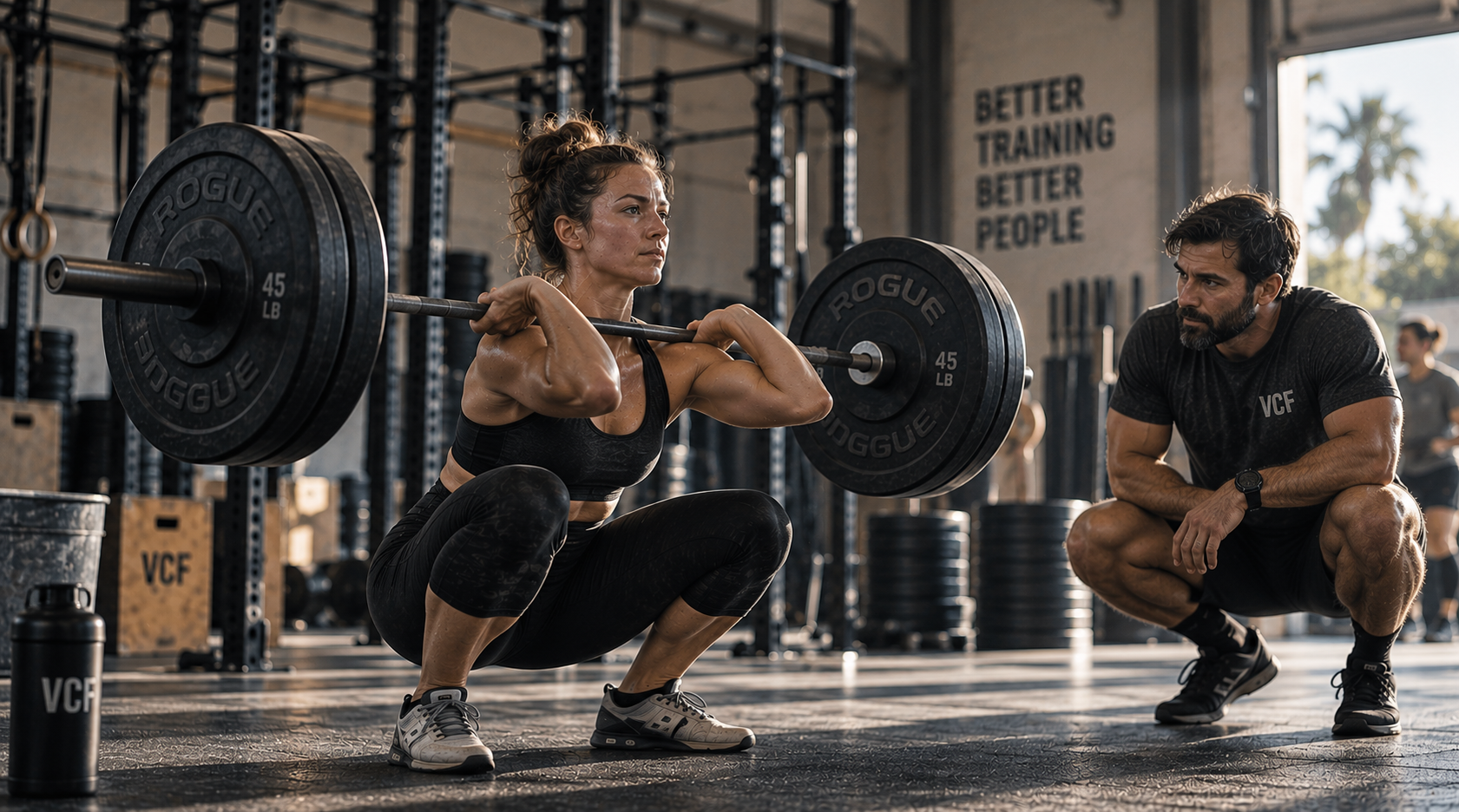
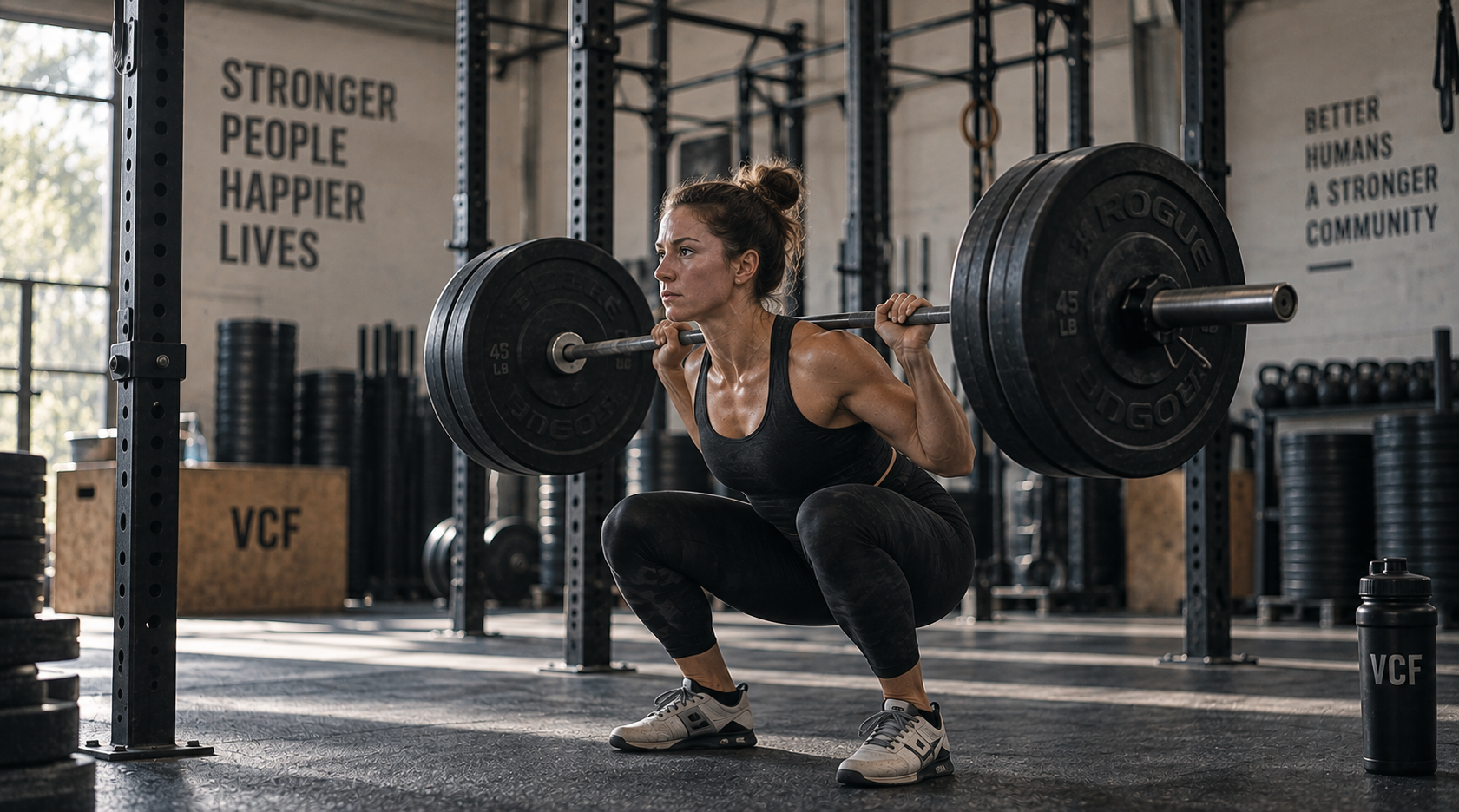
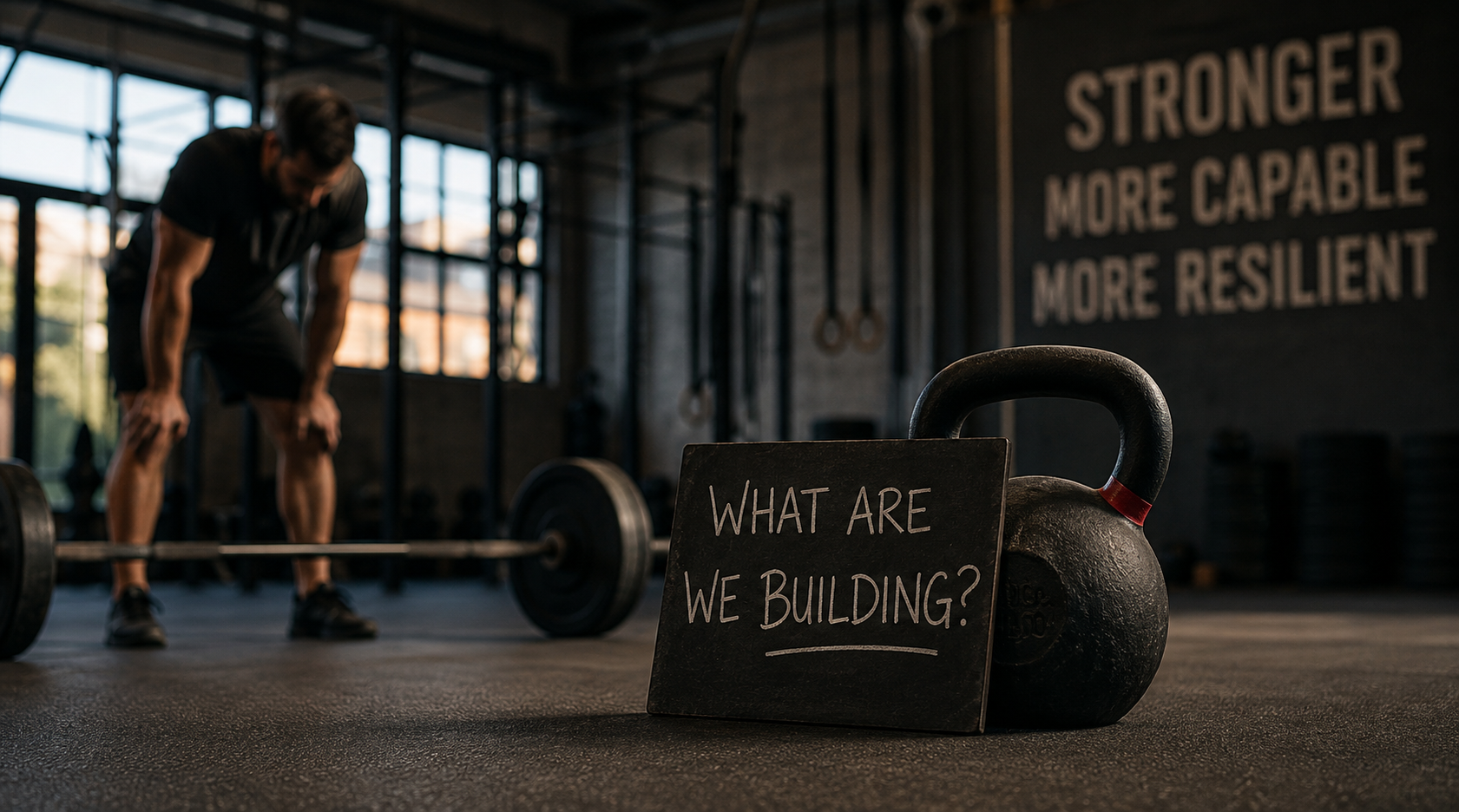
This is one reason strength is such a major component of our programming.
Strength training is not included simply because it improves numbers on a barbell.
It builds:
The goal is not only to perform well today.
It is to continue performing years from now.
A stronger body is generally a more resilient body.
Strength training improves the ability of:
to tolerate stress.
This does not eliminate injury risk entirely, but it significantly improves the body’s ability to handle load and recover from it.
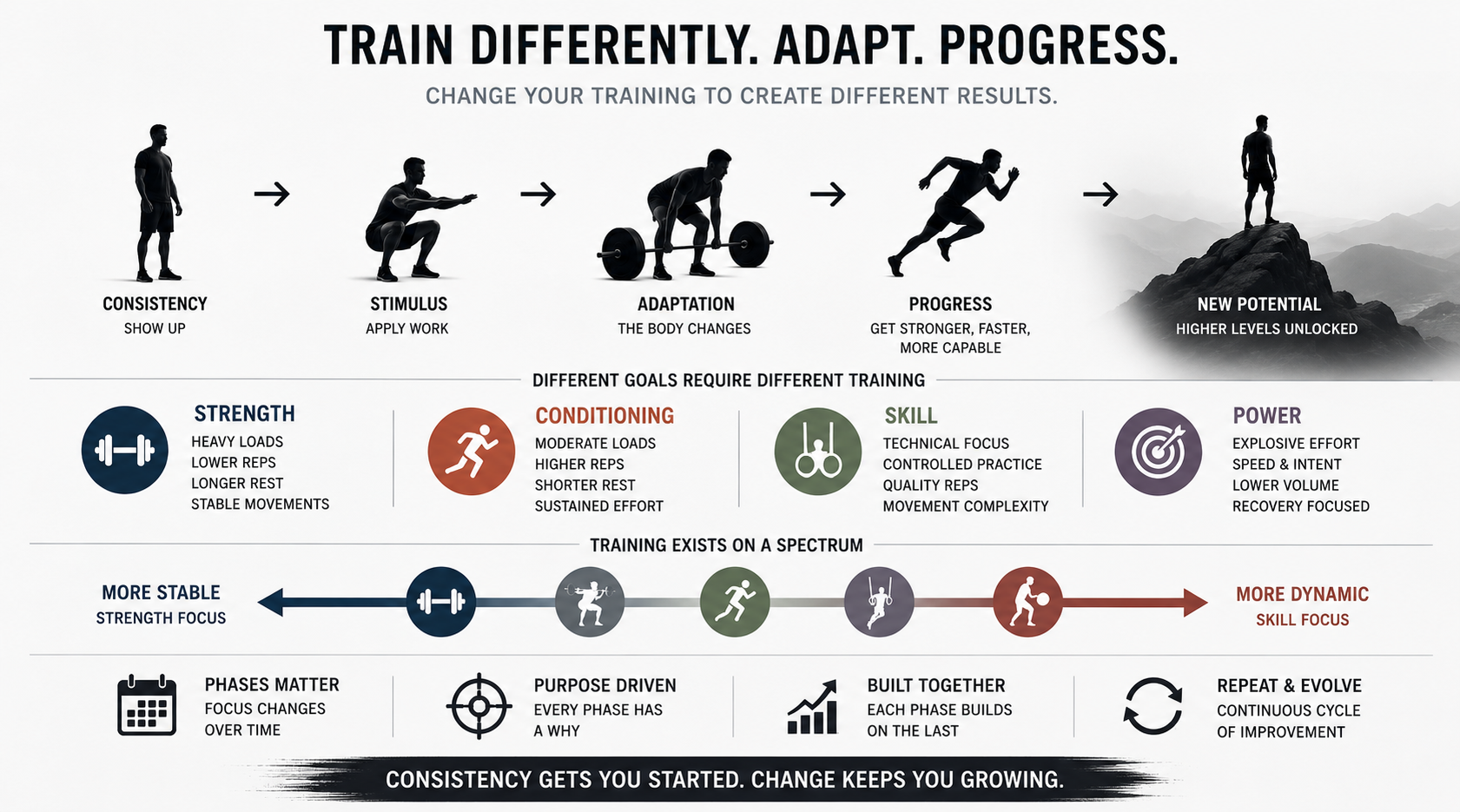
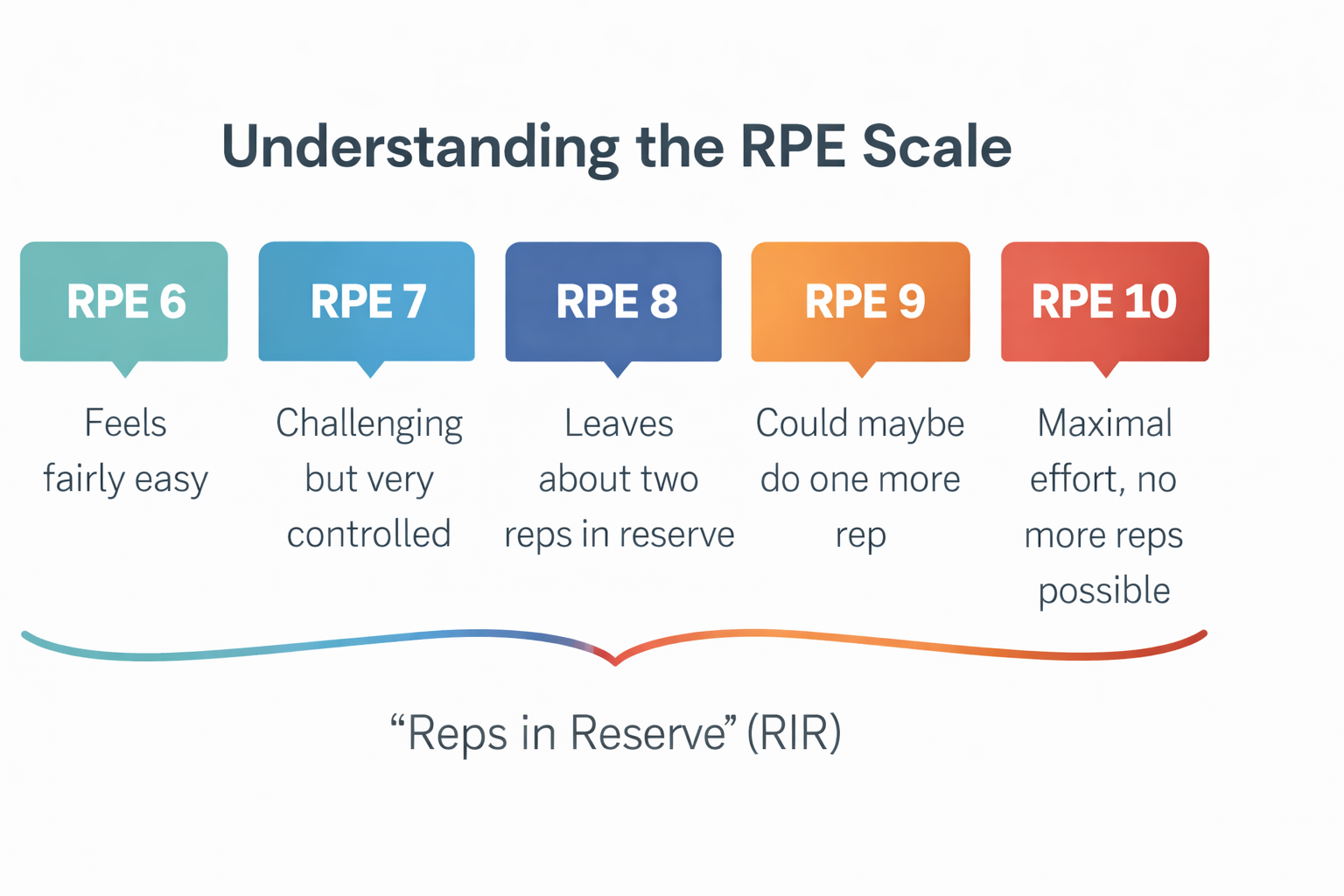
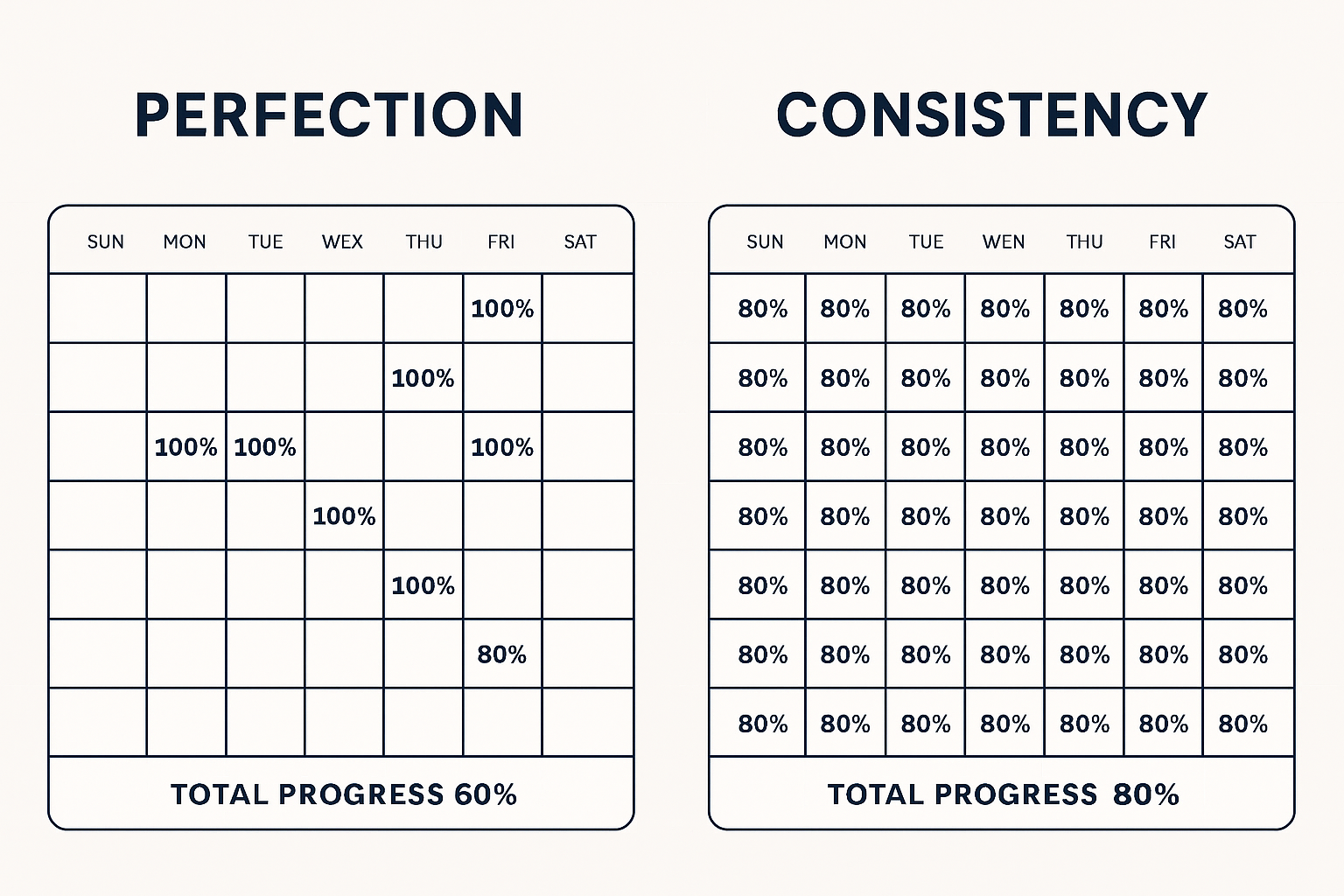
You do not need to train maximally all the time to benefit from strength work.
Long-term progress comes from:
Moderate, sustainable training performed consistently over years is far more valuable than occasional extreme effort.
Strength is one of the few physical qualities that improves nearly every aspect of life.
It supports:
It changes how you move through the world.
Strength training is not just preparation for workouts.
It is preparation for life.
The goal is not only to be stronger in the gym.
The goal is to build a body that remains capable, resilient, and independent for as long as possible.
That is what makes strength so valuable.