Life for the Gym or Gym for Life
Should fitness serve life or should life serve fitness? Explore the balance between pursuing excellence in training and using fitness as a tool to build a more capable, fulfilling life.
By
June 23, 2026

One of the most common phrases in fitness is, "Train for life, not for the gym."
At first glance, it's hard to argue with. Most of us have careers, families, hobbies, and responsibilities that matter far more than what happens during a one-hour workout. Fitness should improve our lives, not become our lives.
But like many popular sayings, the truth is a little more nuanced.
Because while fitness should absolutely serve life, many of the qualities that improve life are developed by intentionally pursuing improvement in the gym. Strength, resilience, confidence, discipline, and perseverance don't just happen. They are built through training.
The question isn't whether we should train for life or train for the gym.
The real question is how those two ideas work together.
There is a lot to like about the phrase.
After all, most people don't start exercising because they want a bigger squat or a faster Fran time. They start because they want to feel better, move better, and have more energy for the things that matter to them.
Fitness should make life easier. It should help you keep up with your kids, carry your own luggage through an airport, spend a full day hiking with friends, or simply get up off the floor without thinking twice about it. It should help you remain independent and capable as you age rather than gradually surrendering more and more of your life to physical limitations.
Those are meaningful outcomes.
Nobody receives a trophy for having the strongest squat in the grocery store parking lot. What matters is capability. The ability to meet the demands of your life with confidence, whether those demands are expected or completely unexpected.
That is a worthy goal.
The problem is that many people stop the conversation there.
The challenge is that "training for life" can sometimes become an excuse to stop pursuing improvement altogether.
If your goal is simply to maintain your current abilities, then basic exercise is probably enough. A few workouts each week, some walking, and a little resistance training will go a long way toward keeping you healthy and functional.
But what if you want more than maintenance?
What if you want to be stronger at 50 than you were at 40? What if you want to hike farther, recover faster, move better, or continue expanding what you're capable of instead of slowly trying to hold on to what you already have?
That's where the conversation changes.
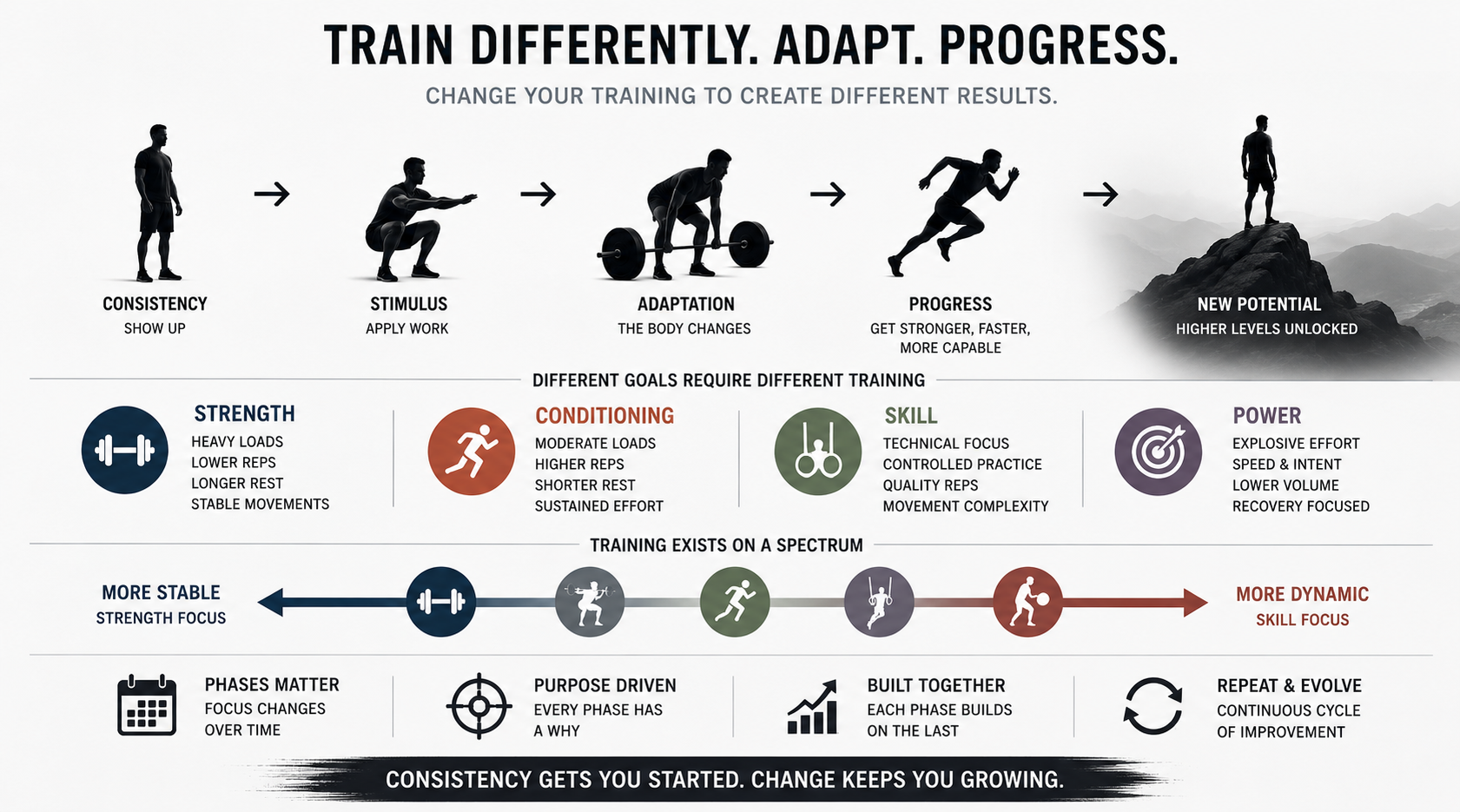
The body doesn't adapt because we have good intentions. It adapts because we place specific demands on it. Strength comes from training strength. Endurance comes from training endurance. Skill comes from practicing skills. Improvement requires a stimulus that gives the body a reason to change.
And that means there are times when improving your life requires focusing on improving your training first.
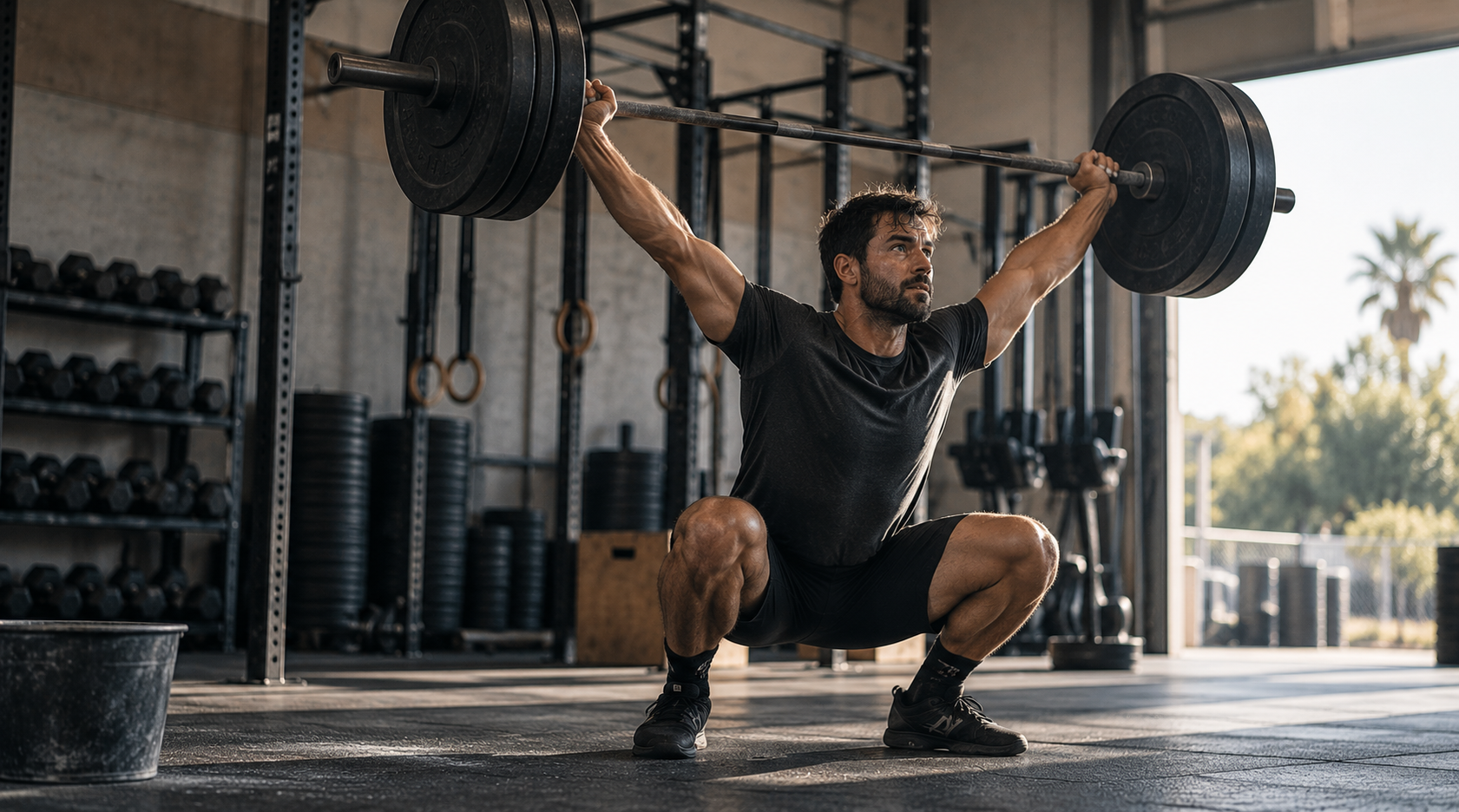
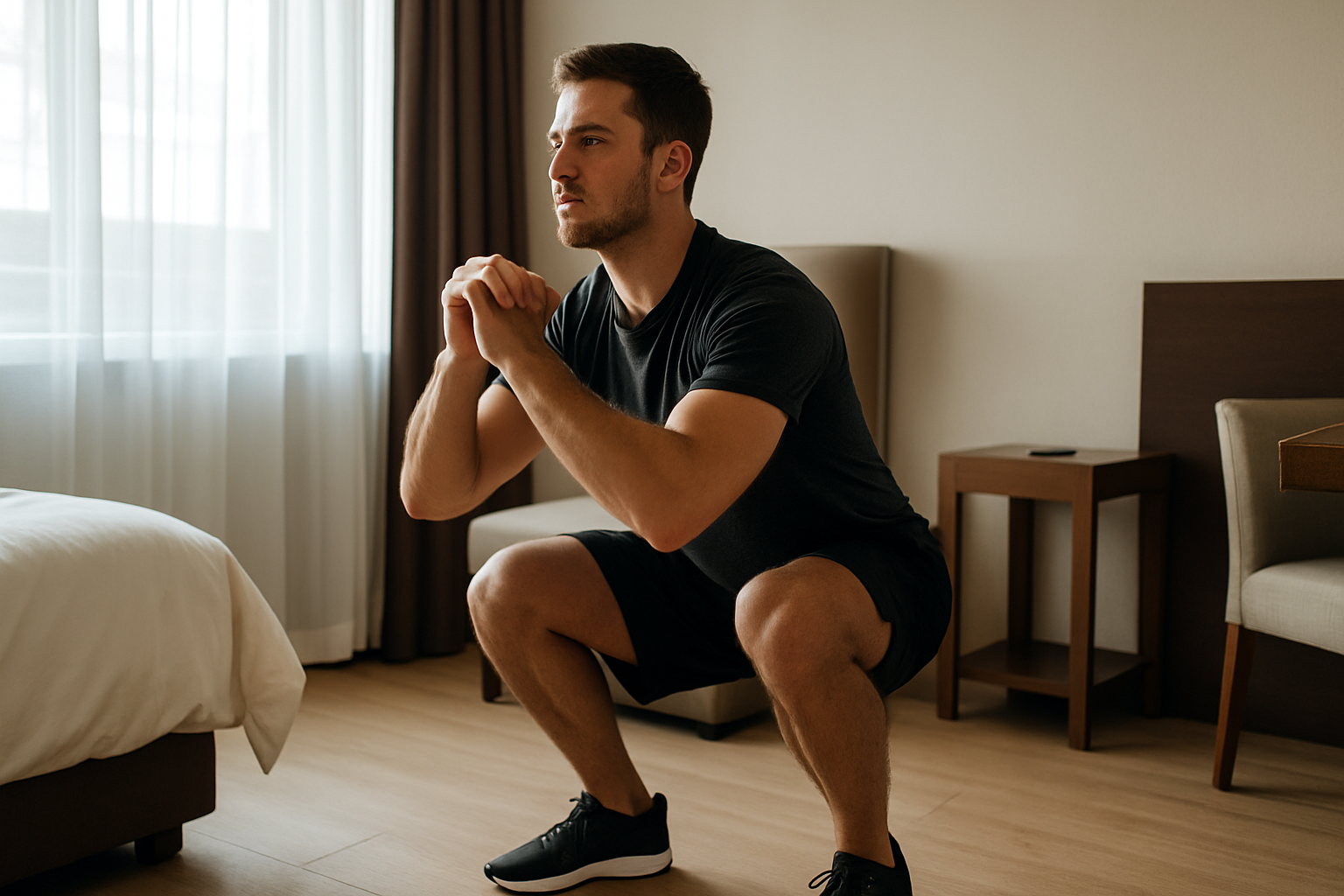
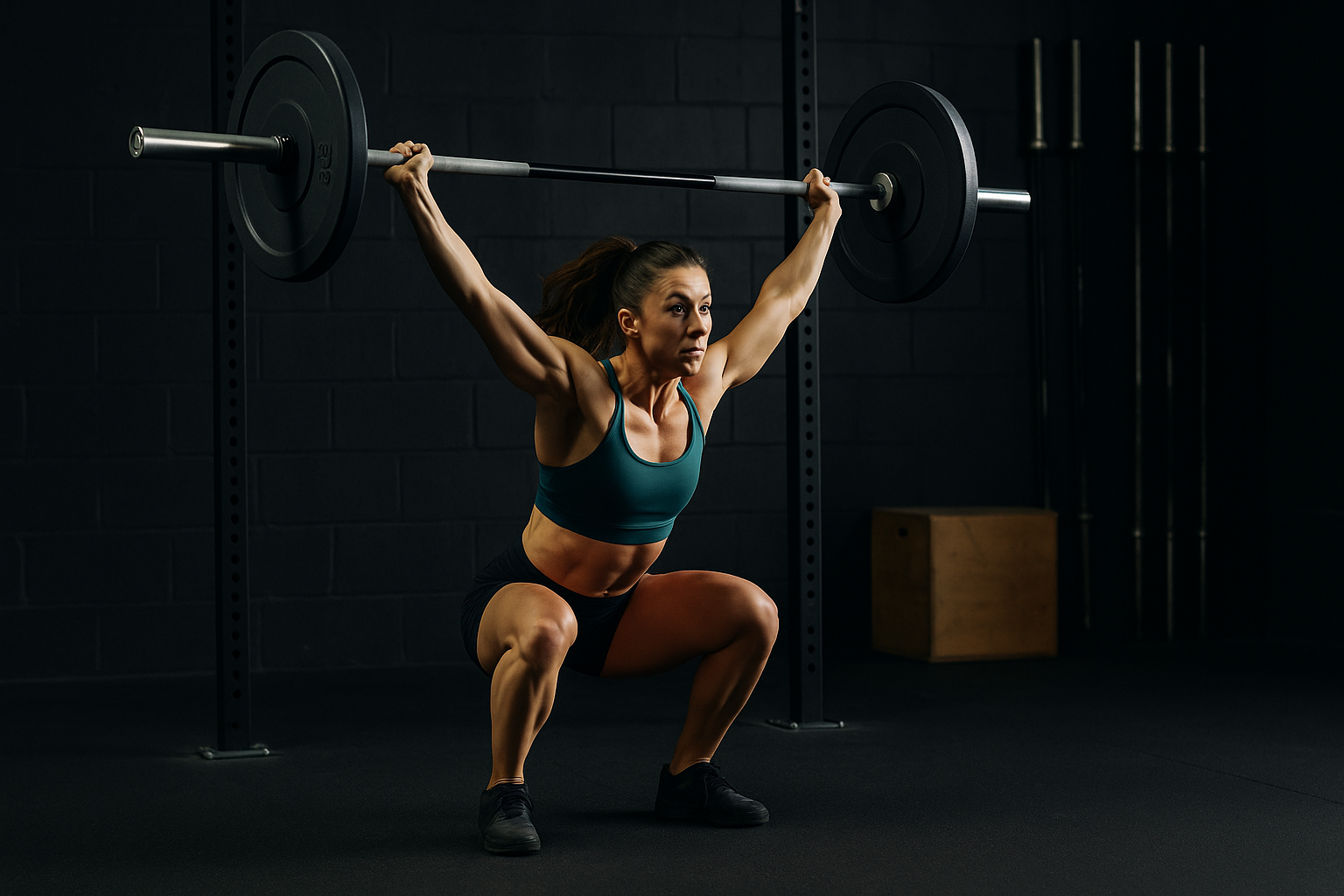
Nobody needs to perform a heavy back squat in daily life. Most people will never need to do a strict handstand push-up, clean and jerk a barbell overhead, or complete a difficult gymnastics movement.
This is one of the most common criticisms of gym training. People look at a movement and ask, "When am I ever going to do that in real life?"
It's a fair question, but it misses an important point.
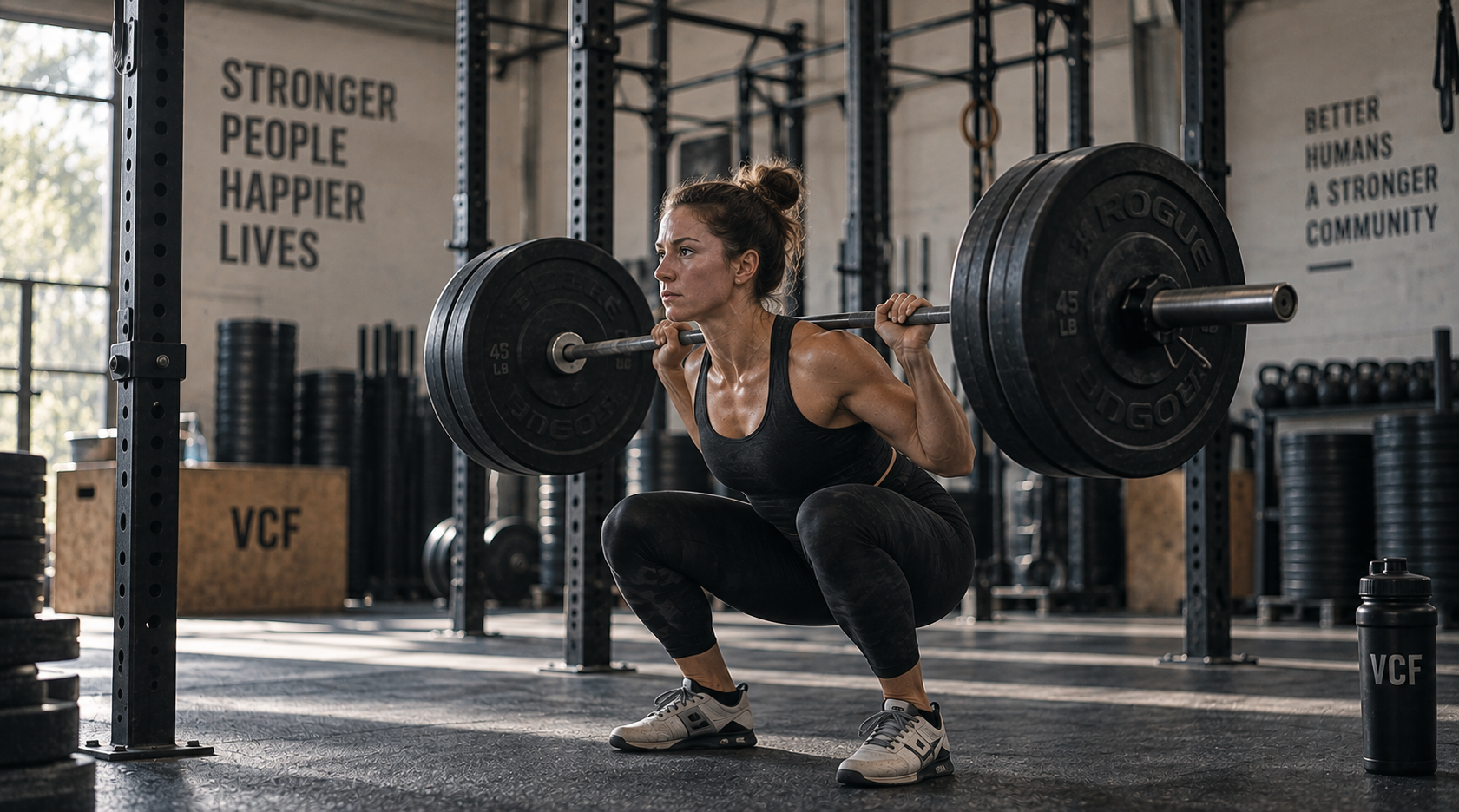
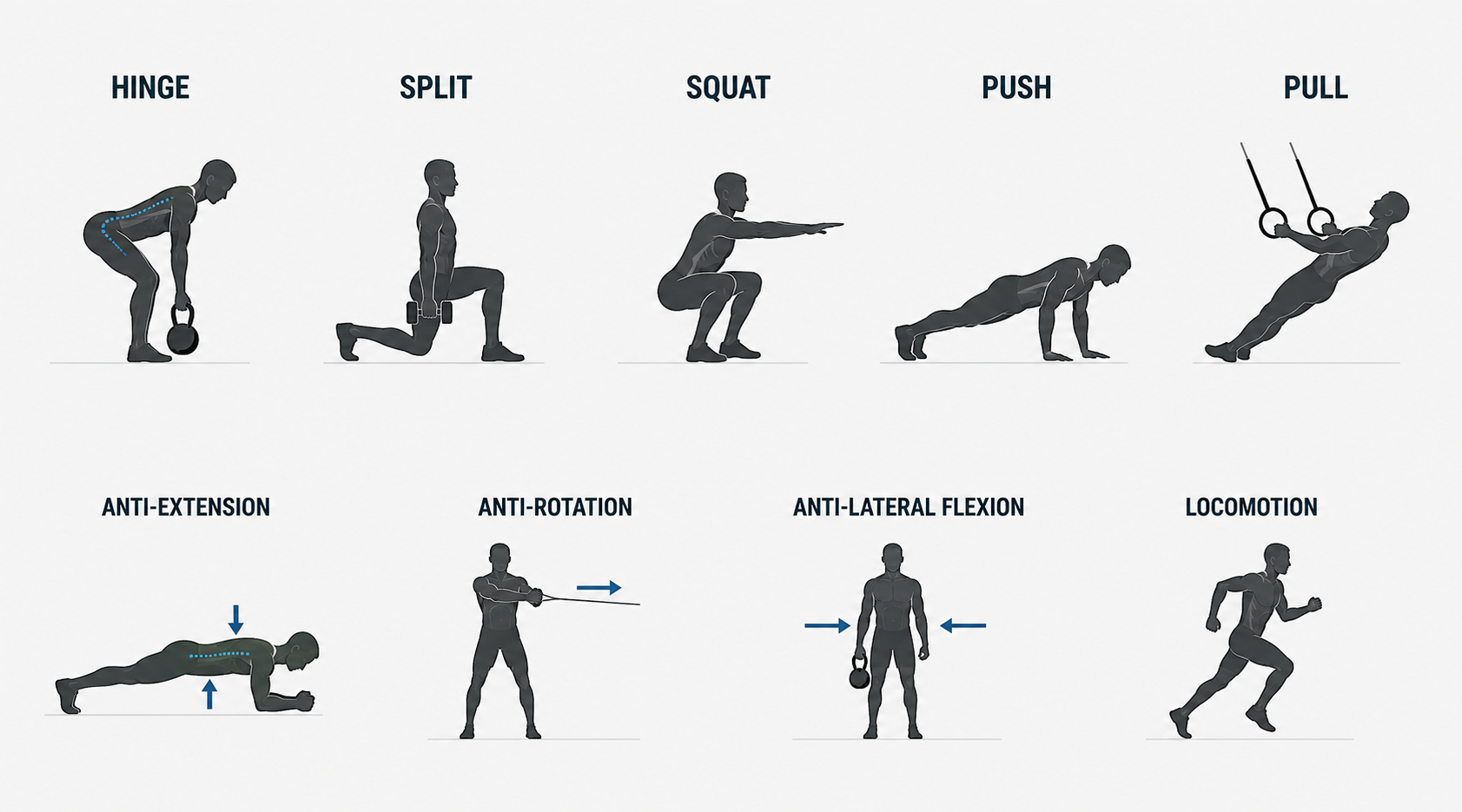
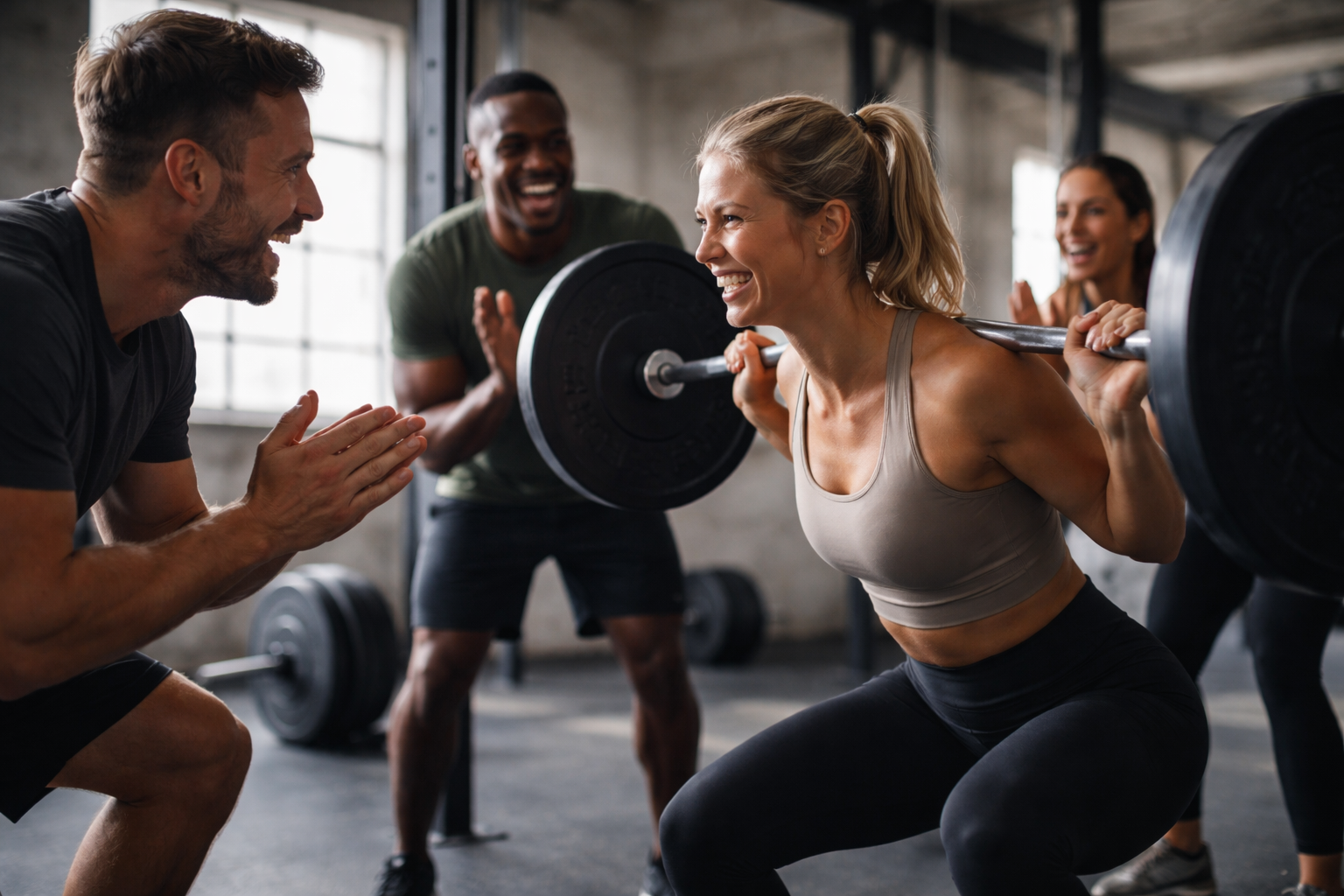
The value of those movements isn't that they perfectly mimic everyday life. The value is in what they develop. A heavy squat builds strength. A handstand push-up develops upper body pressing capacity and body awareness. Olympic lifts teach power, coordination, and force production. The movement itself is simply the vehicle.
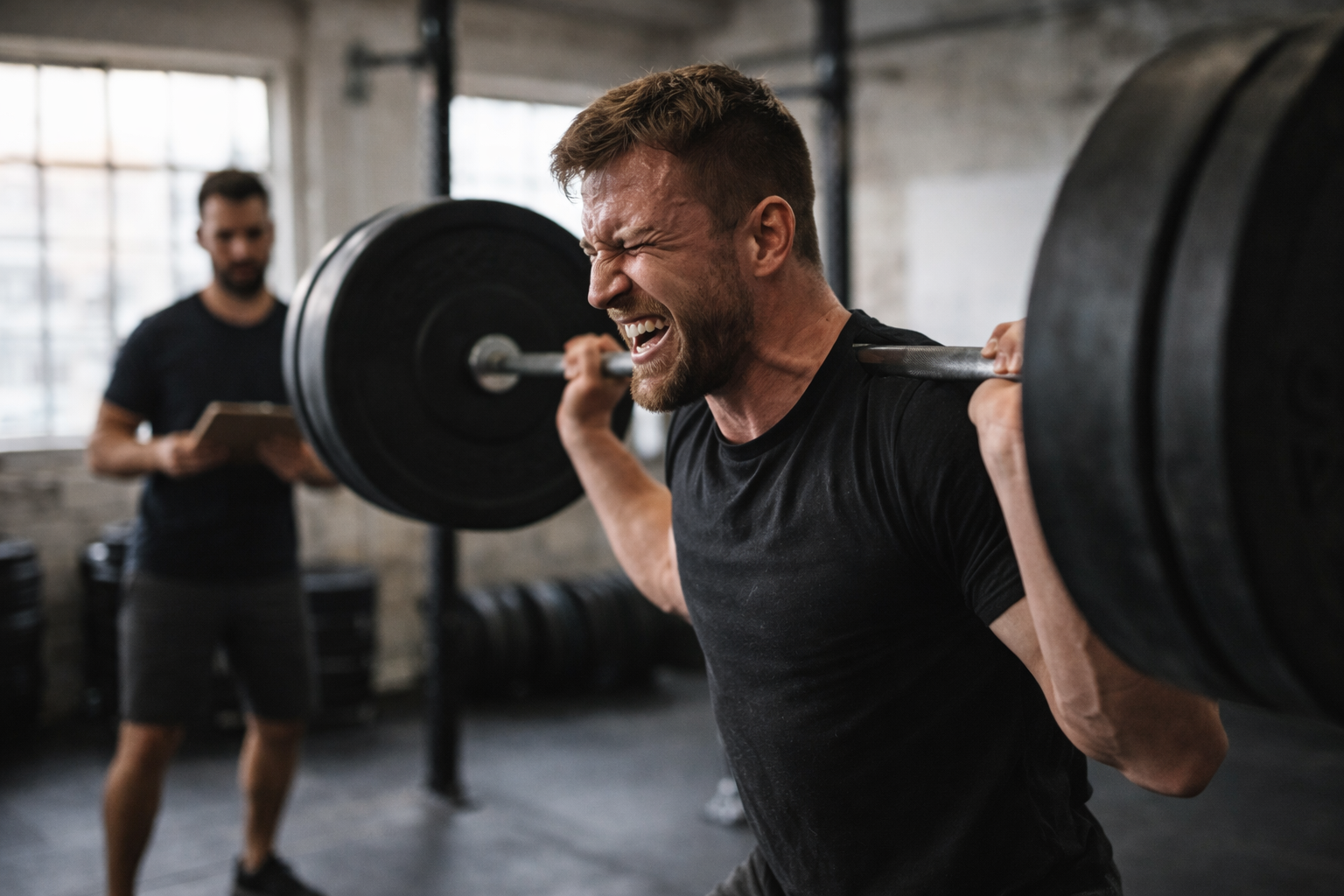
Training is full of examples like this. We use artificial challenges to create real adaptations. Nobody is training for the possibility that they'll need to put a barbell on their back in the grocery store parking lot. They're training to become stronger, more resilient, and more capable.
The movement is the tool.
The adaptation is the goal.
This is where many fitness conversations start to go off track.
When people look at a movement and ask whether it's practical, they're often evaluating the wrong thing. They're judging the exercise itself instead of the adaptation it produces.
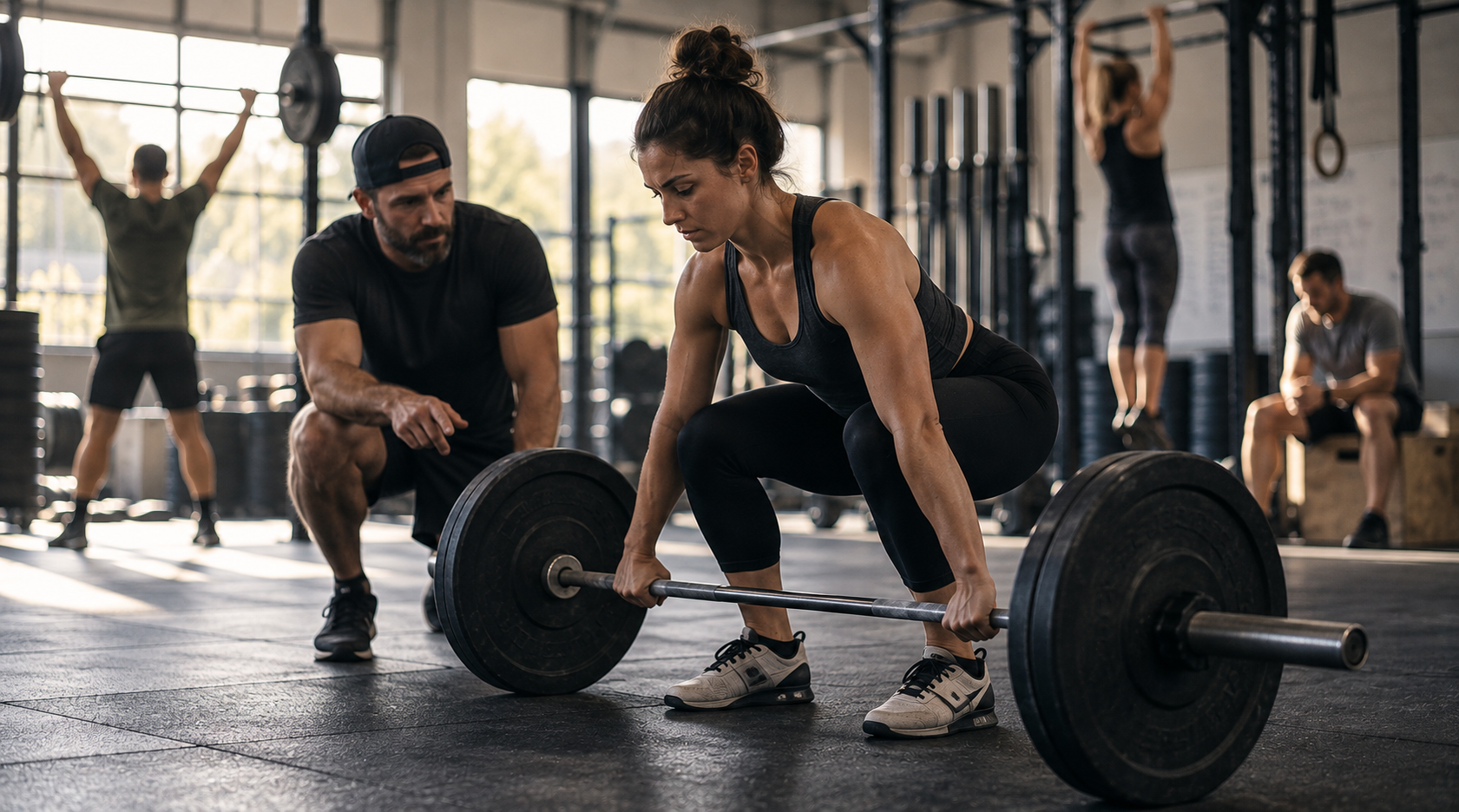
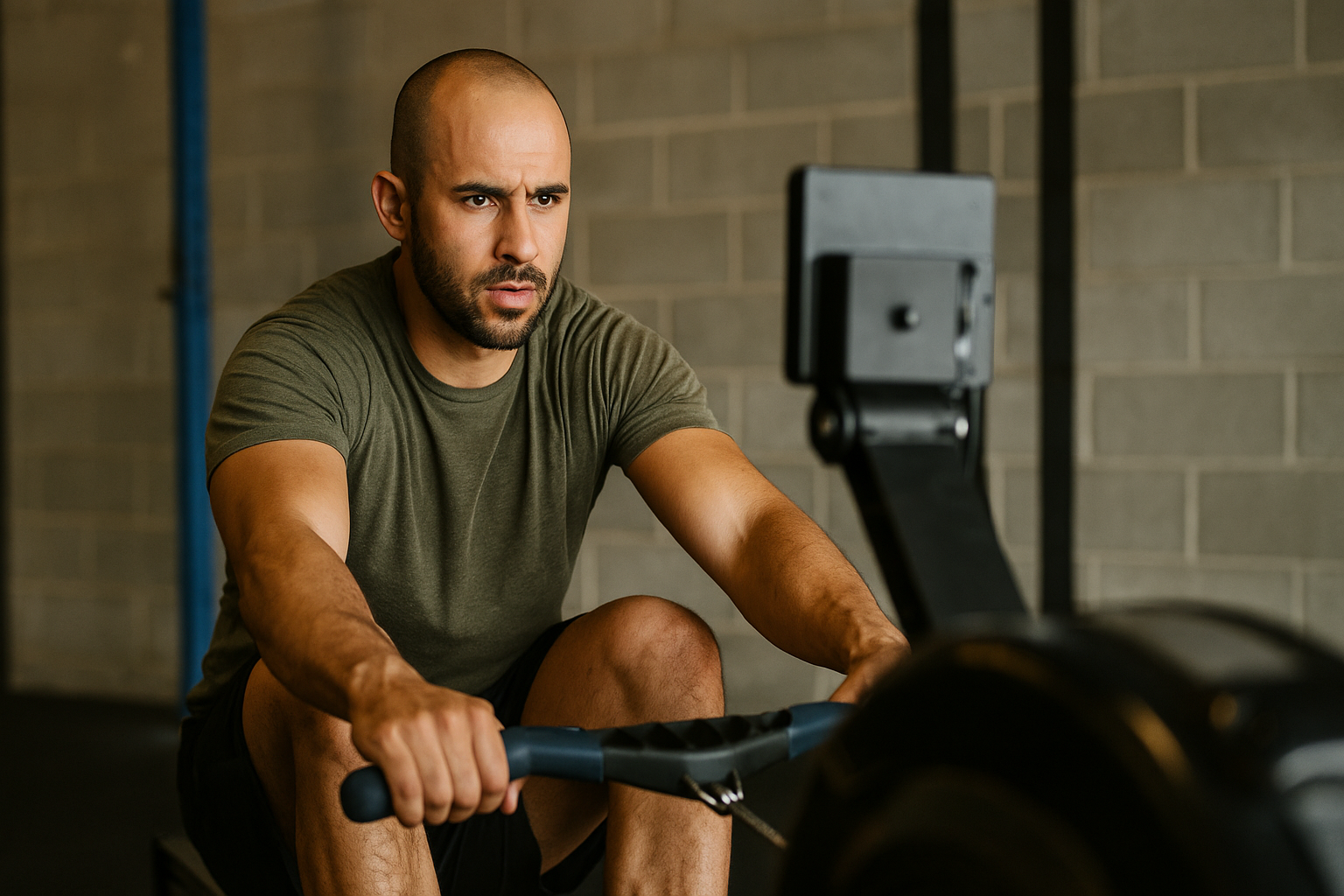
A deadlift isn't valuable because you're going to pick a barbell up off the floor in real life. It's valuable because it develops strength, coordination, and the ability to produce force. A pull-up isn't important because life requires pull-ups. It's important because of the upper-body strength, control, and resilience it develops. The same is true for long runs, rowing sessions, heavy squats, and countless other training tools.
The exercise is simply the method.
The adaptation is the outcome.
When people criticize gym training because it doesn't perfectly resemble everyday life, they often confuse the means with the end. Training doesn't need to look like life any more than practicing scales needs to sound like a concert performance. What matters is whether the practice improves the final product.
The goal isn't to become good at exercising.
The goal is to become stronger, healthier, more capable, and better prepared for whatever life throws at you.
There is another reality that often gets overlooked.
People who become better at training tend to stick with it longer.
Part of that is because improvement is rewarding. It's satisfying to hit a lift you couldn't do six months ago, complete a workout that once intimidated you, or master a skill that previously felt impossible. Progress creates momentum, and momentum keeps people engaged.
But there's something deeper happening as well.
Over time, the gym stops feeling like a chore and starts feeling like a practice. You begin to appreciate the process of learning, refining, and improving. You develop goals that extend beyond simply showing up and breaking a sweat. You start taking pride in what your body can do, not just how it looks.
In many ways, becoming better at training is what allows fitness to remain part of your life for decades rather than months. The pursuit of improvement gives people a reason to keep showing up long after the initial motivation fades.
And perhaps most importantly, the lessons learned through that process rarely stay inside the gym. The patience required to make progress, the discipline required to stay consistent, and the confidence that comes from overcoming challenges tend to show up in other areas of life as well.
One of the realities that gets lost in fitness culture is that there is such a thing as enough.
That idea may sound strange coming from a gym owner. After all, we celebrate progress. We encourage people to set goals. We get excited when someone hits a PR, learns a new skill, or accomplishes something they never thought possible.
Those things matter.
But it is also worth asking an important question:
What is the goal of the goal?
For someone who struggles to get off the couch, adding 100 pounds to their squat might be life-changing. For someone who gets winded walking up a flight of stairs, improving their conditioning could dramatically improve their quality of life. In those cases, getting fitter has an obvious and meaningful return.
Eventually, though, the relationship begins to change.
The difference between a 95-pound squat and a 185-pound squat might transform how someone moves through the world. The difference between a 405-pound squat and a 415-pound squat probably won't. Not because the achievement isn't impressive, but because the benefit becomes increasingly specific to the activity itself.
At some point, every pursuit encounters diminishing returns. The stronger, faster, and fitter you become, the more time, energy, and attention are often required to achieve increasingly smaller improvements.
That doesn't make those improvements meaningless. It simply means they should be viewed in context.
If pursuing another 10 pounds on your squat requires sacrificing sleep, creating tension at home, skipping opportunities with friends and family, or constantly feeling frustrated by your training, it's worth asking whether the pursuit is still serving its original purpose.
The irony is that many people begin exercising to improve their lives, only to eventually structure their lives around their exercise.
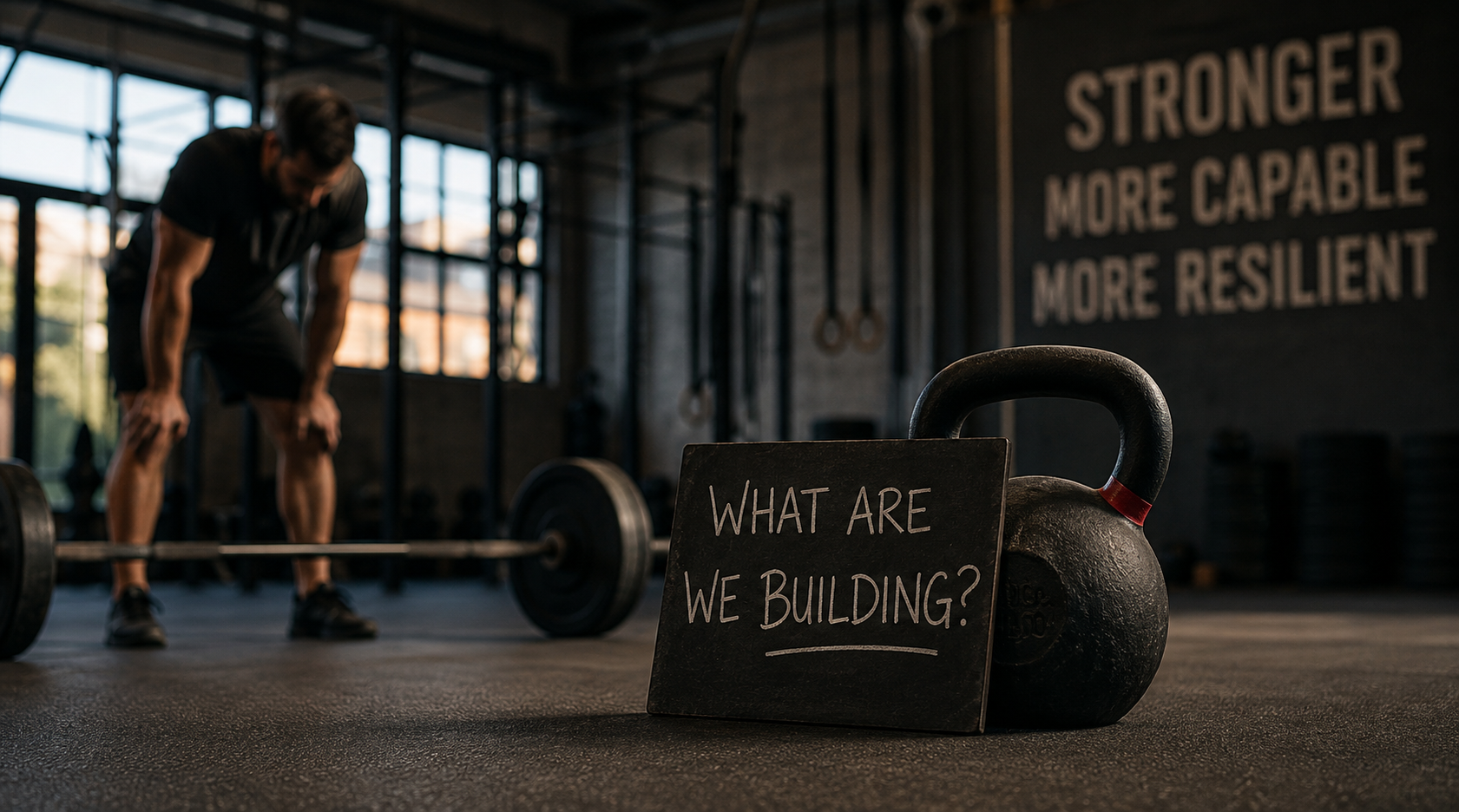
Fitness is an incredible tool. It can make us healthier, stronger, more capable, and more resilient. But like any tool, its value comes from what it helps us build.
The goal isn't to collect fitness for its own sake.
The goal is to use fitness to build a better life.
None of this is meant to suggest that pursuing ambitious goals is a bad thing.
In fact, some of the most rewarding experiences in training come from chasing something that once felt out of reach. Working toward a difficult goal teaches patience, discipline, resilience, and the ability to stay committed long after the excitement of starting has worn off. Those lessons have value far beyond anything that happens in the gym.
The problem is not excellence.
The problem is forgetting why you started pursuing it in the first place.
For some people, chasing a PR, qualifying for a competition, or mastering a difficult skill can be an incredibly meaningful and fulfilling pursuit. For others, the better choice might be maintaining the fitness they've worked hard to build while directing more time and energy toward family, career, travel, or other priorities.
Neither choice is inherently better than the other.
The healthiest relationship with training comes from recognizing that fitness is one part of a well-lived life. An important part, certainly, but still only a part.
Sometimes the right answer is to push harder and see what you're capable of. Sometimes the right answer is to appreciate how far you've come and enjoy the freedom that fitness has already given you.
Wisdom is knowing the difference.
The physical benefits of training are easy to see. You get stronger, fitter, leaner, and more capable. The deeper benefits are often harder to measure, but they may be even more valuable.
Training has a way of teaching lessons whether you were looking for them or not.
It teaches patience because meaningful progress rarely happens as quickly as we'd like. It teaches consistency because showing up once is easy, while showing up hundreds of times is hard. It teaches humility because no matter how experienced you become, there is always another challenge waiting for you.
Perhaps most importantly, training teaches you how to respond to setbacks. Everyone misses lifts. Everyone has bad workouts. Everyone experiences plateaus, injuries, frustrations, and days when motivation is nowhere to be found. The people who continue making progress are usually the ones who learn to keep moving forward anyway.
Those lessons don't stay in the gym.
The ability to stay committed when results are slow, take ownership when things don't go according to plan, and continue showing up even when you don't feel like it has value far beyond fitness. Those same qualities show up in careers, relationships, parenting, and nearly every worthwhile pursuit in life.
The weights don't care about excuses. The clock doesn't care about intentions. Training rewards effort, consistency, and accountability.
Life tends to work much the same way.
So where does that leave us?
For most people, the answer is somewhere in the middle.
Fitness shouldn't become your entire identity. Your worth as a person is not determined by your Fran time, your deadlift, or whether you can perform the latest advanced gymnastics skill. At the same time, there is something deeply rewarding about pursuing improvement and discovering what you're capable of.
The sweet spot is learning to care about your training without letting it consume everything else.
Train in a way that improves your life. Build strength. Develop skills. Address weaknesses. Set goals that excite you and challenge you to grow. Pursue excellence when it serves you.
But remember that the purpose of those pursuits is not simply to accumulate fitness.
It's to become a more capable human being.
The confidence that comes from overcoming difficult challenges, the resilience developed through consistent effort, and the capability built through years of training tend to show up far beyond the gym walls.
The goal isn't to choose between training for life and training for the gym.
The goal is to recognize that, when approached correctly, the two can support each other.
We don't believe training should come at the expense of life. We also don't believe that the answer is to avoid meaningful challenges simply because they aren't immediately practical.
We believe there is value in pursuing excellence.
Strength matters. Endurance matters. Skill matters. Resilience matters. Not because they make you better at workouts, but because they expand what you're capable of in the rest of your life. The stronger, fitter, and more confident you become, the more options you have available to you both inside and outside the gym.
At the same time, we recognize that fitness is not the destination.
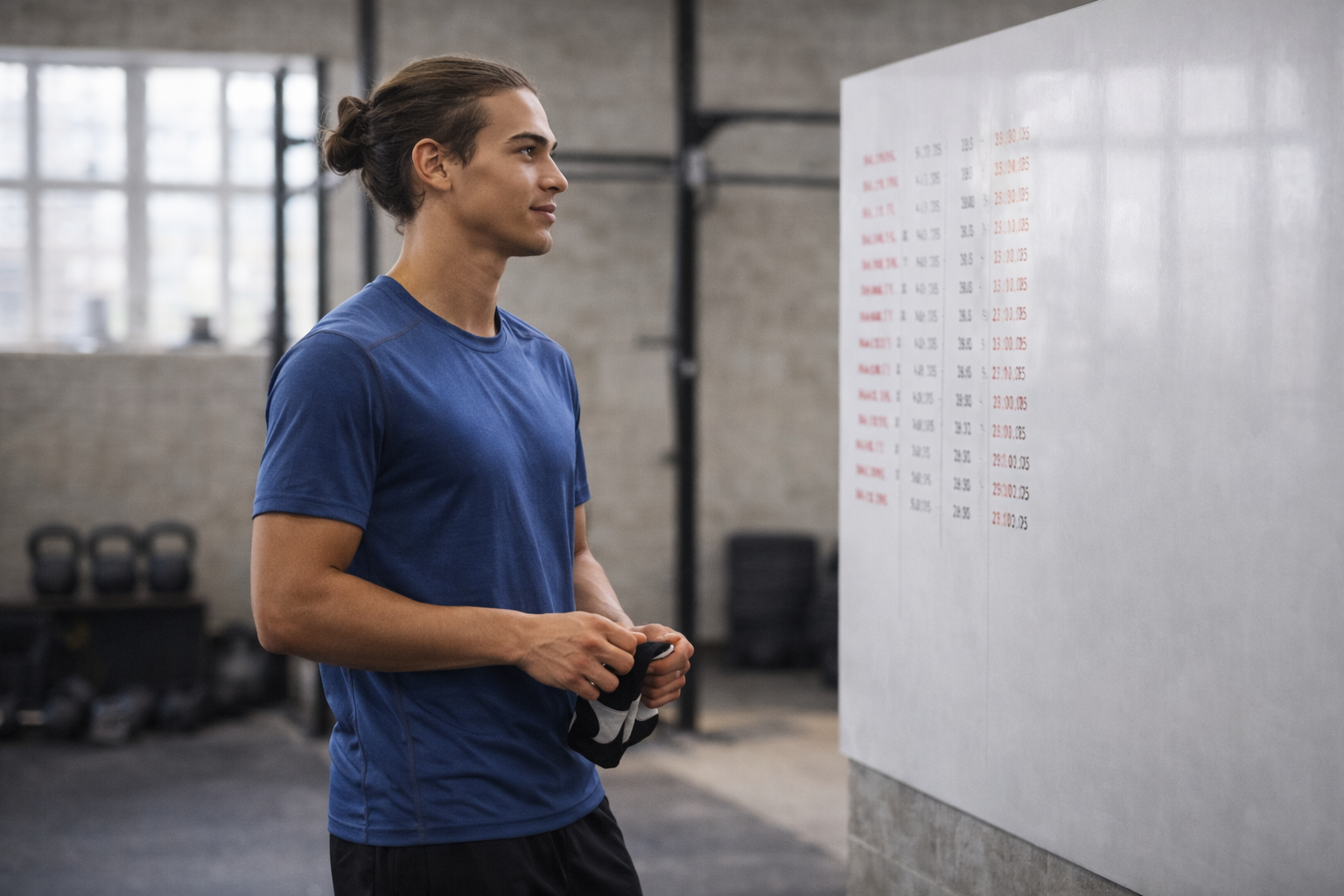
The gym is a training ground. It's a place to build strength, discipline, confidence, resilience, and capability. Those qualities matter because of what they allow you to do beyond the gym walls, not because of the numbers written on a whiteboard.
Sometimes the right answer is to chase a PR, learn a new skill, or see just how far you can push your potential. Sometimes the right answer is recognizing that you've already built enough fitness to support the life you want and choosing to invest more energy elsewhere.
Neither choice is inherently better.
The goal is not to become the fittest person in the room.
The goal is to become the most capable version of yourself, and to use the lessons learned through training to build a richer, healthier, and more fulfilling life.
That's what we believe fitness is for.