Practice vs. Training vs. Competing: What Today Calls For
Practice, training, and competing ask different things of you. Here's how to tell which one today's workout calls for, and why it matters.
By
September 7, 2026

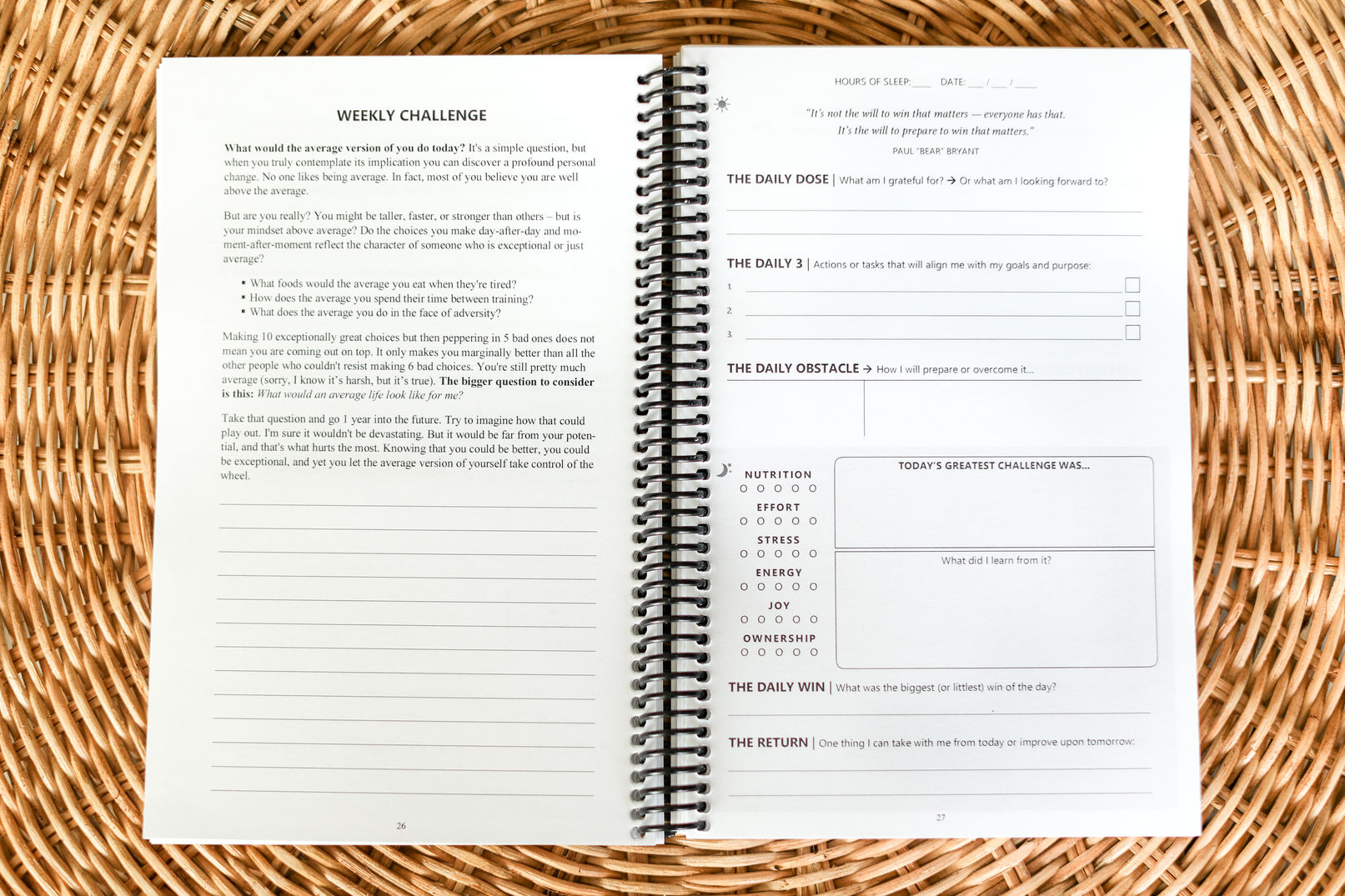
Last week we started with a simple question: why are we doing this? If training is supposed to have a purpose, the next step is understanding what that purpose is on any given day.
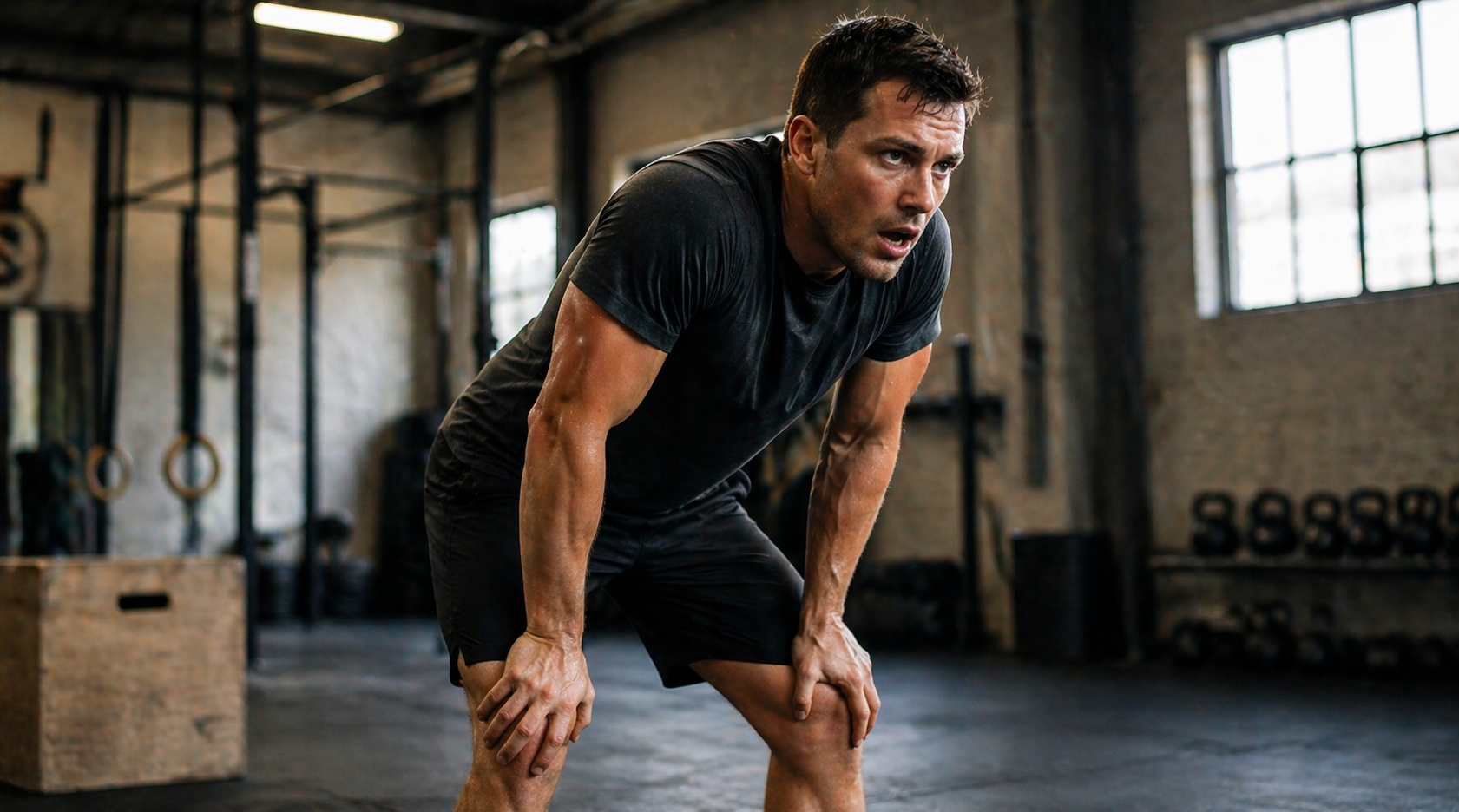
One of the easiest mistakes to make in the gym is treating every session the same way. The clock starts, the weight gets heavy, someone next to you starts moving faster, and whatever the plan was becomes secondary to doing as much as you can. There are times when that's exactly what we want, and plenty of times when it isn't.
A useful way to think about what we do in the gym is to separate it into three different modes: practice, training, and competition. They overlap, and a single class can include more than one, but they aren't interchangeable. Each asks something different from you.
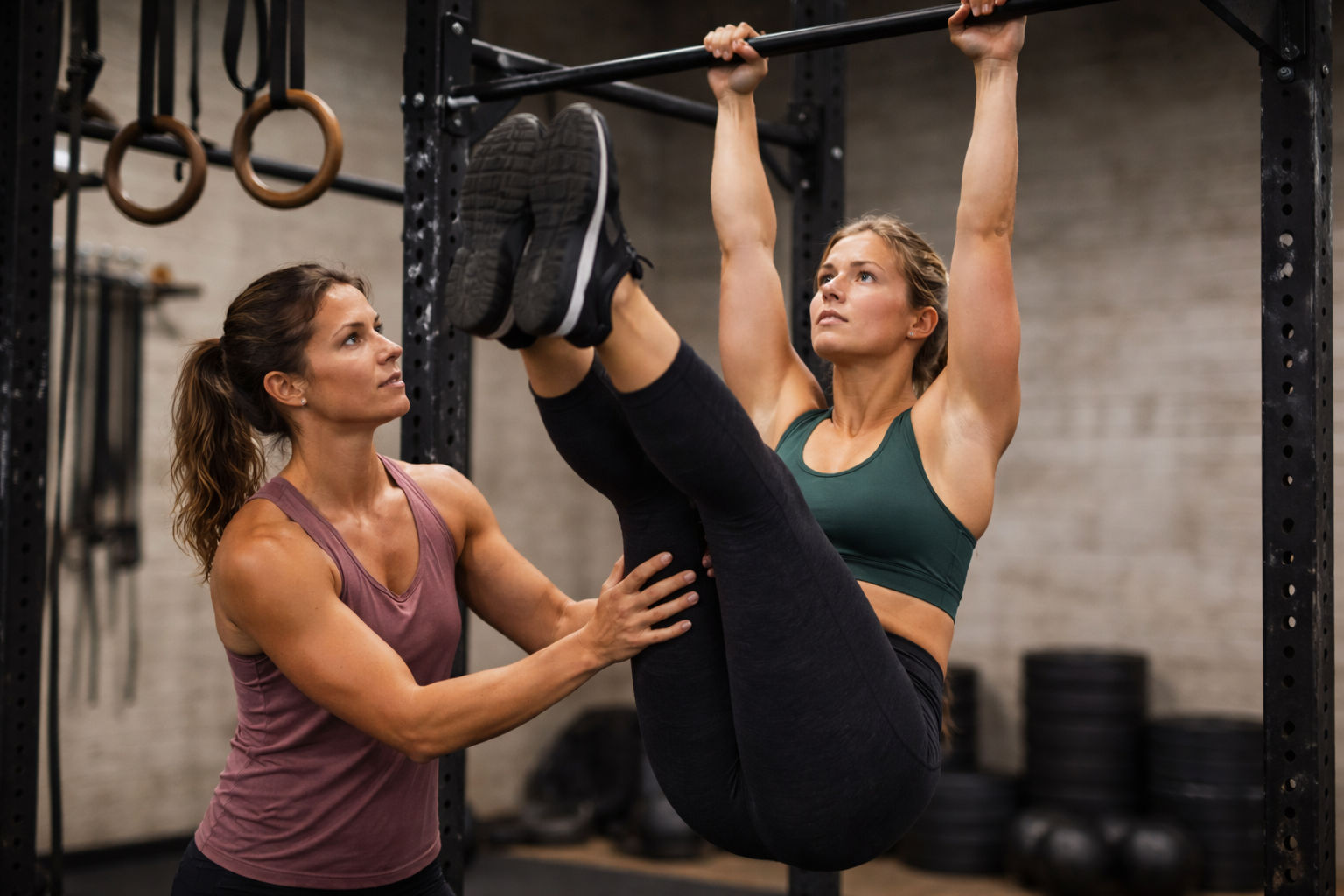
Practice is about developing or refining a skill. The immediate goal isn't maximum output, it's getting better at doing something.
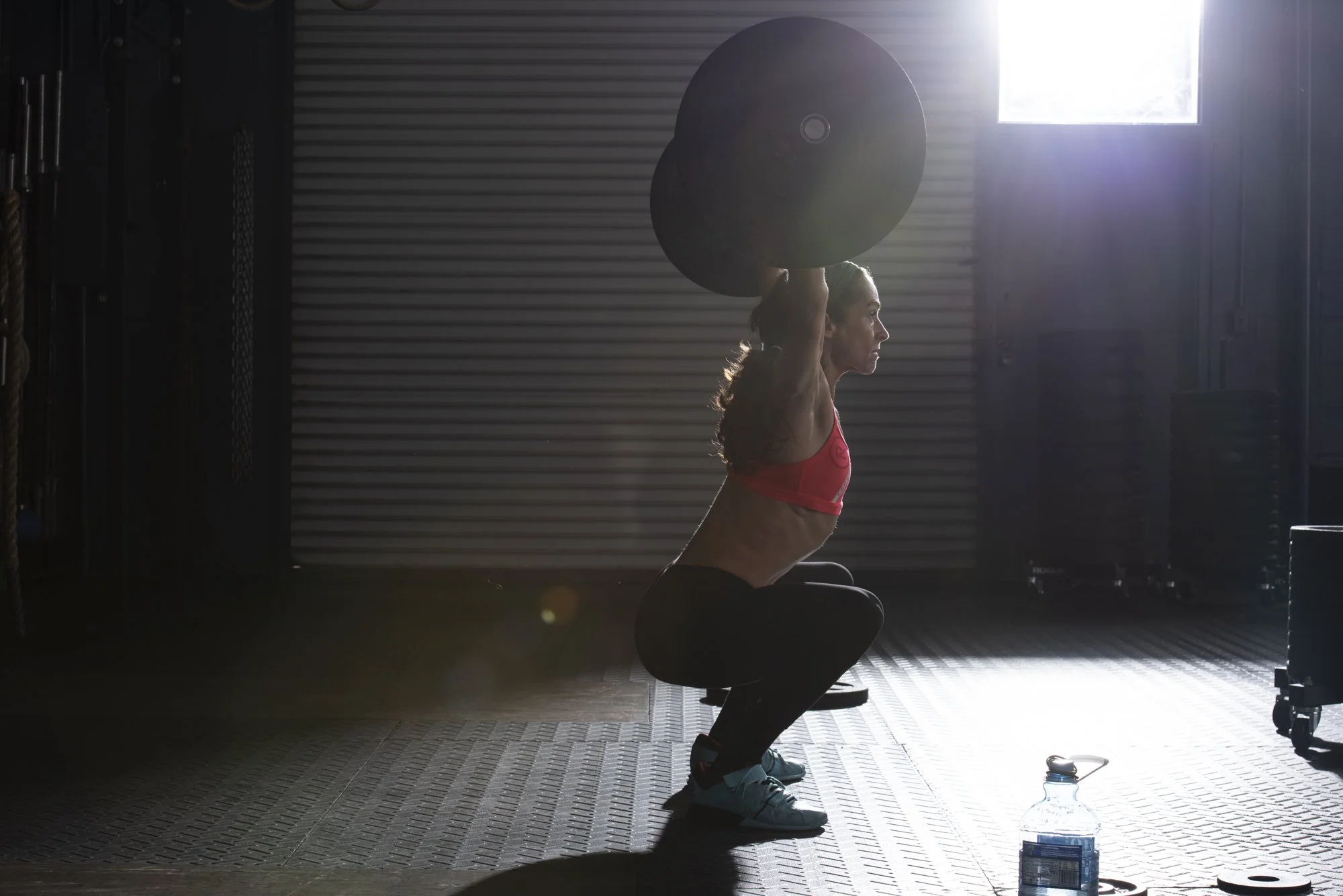
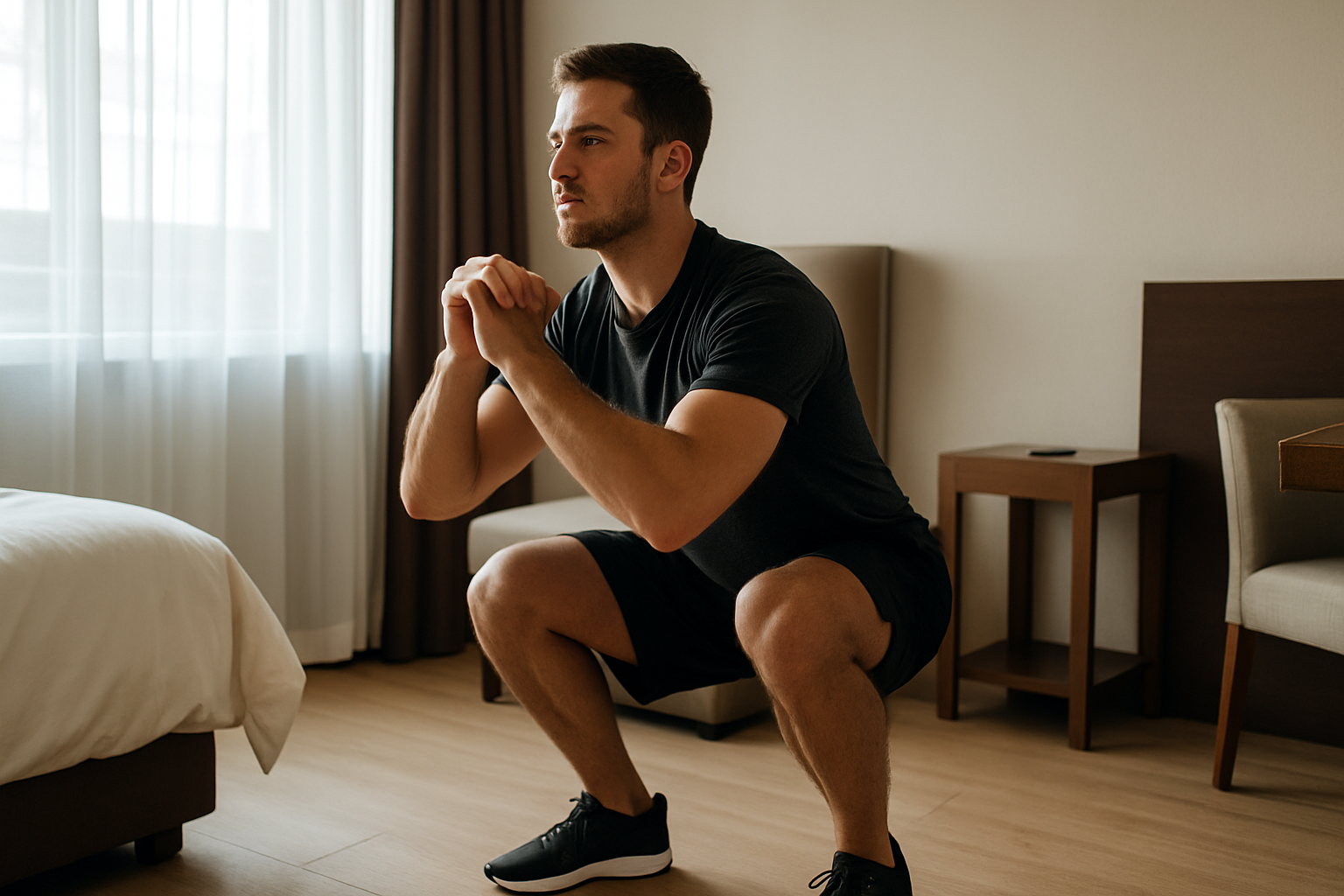
Think about learning a snatch, a handstand, a muscle-up, or even improving your squat. When you're practicing, you need enough attention available to notice what you're doing, and repetitions that are challenging enough to create feedback but manageable enough that you can actually make corrections.
This is one reason making everything harder doesn't necessarily make practice better. If the bar is so heavy that you're fighting to save every lift, you aren't getting many opportunities to work on timing or position. If you're too fatigued to control a gymnastics movement, adding more reps may just give you more practice doing it poorly.
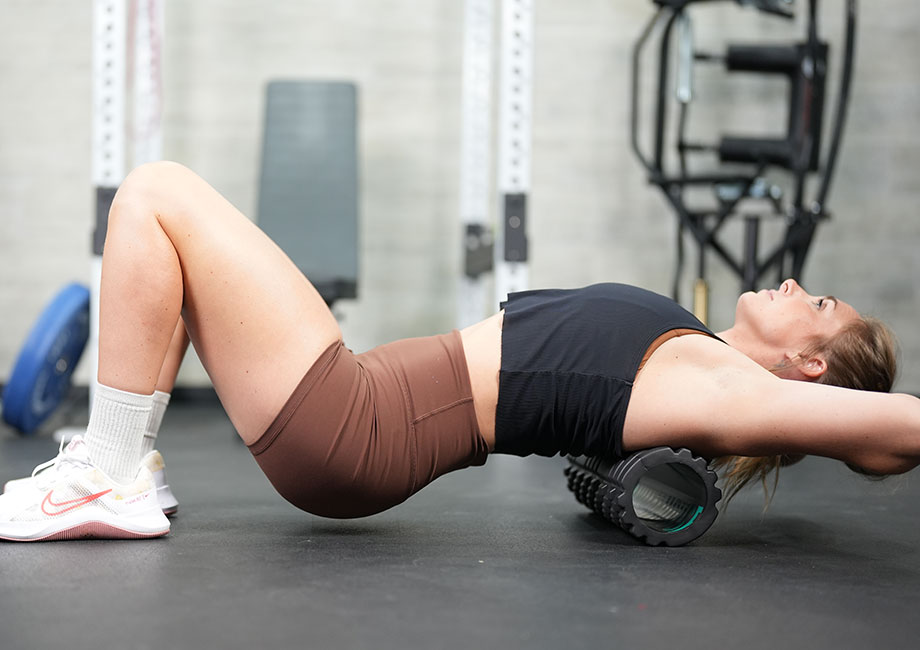
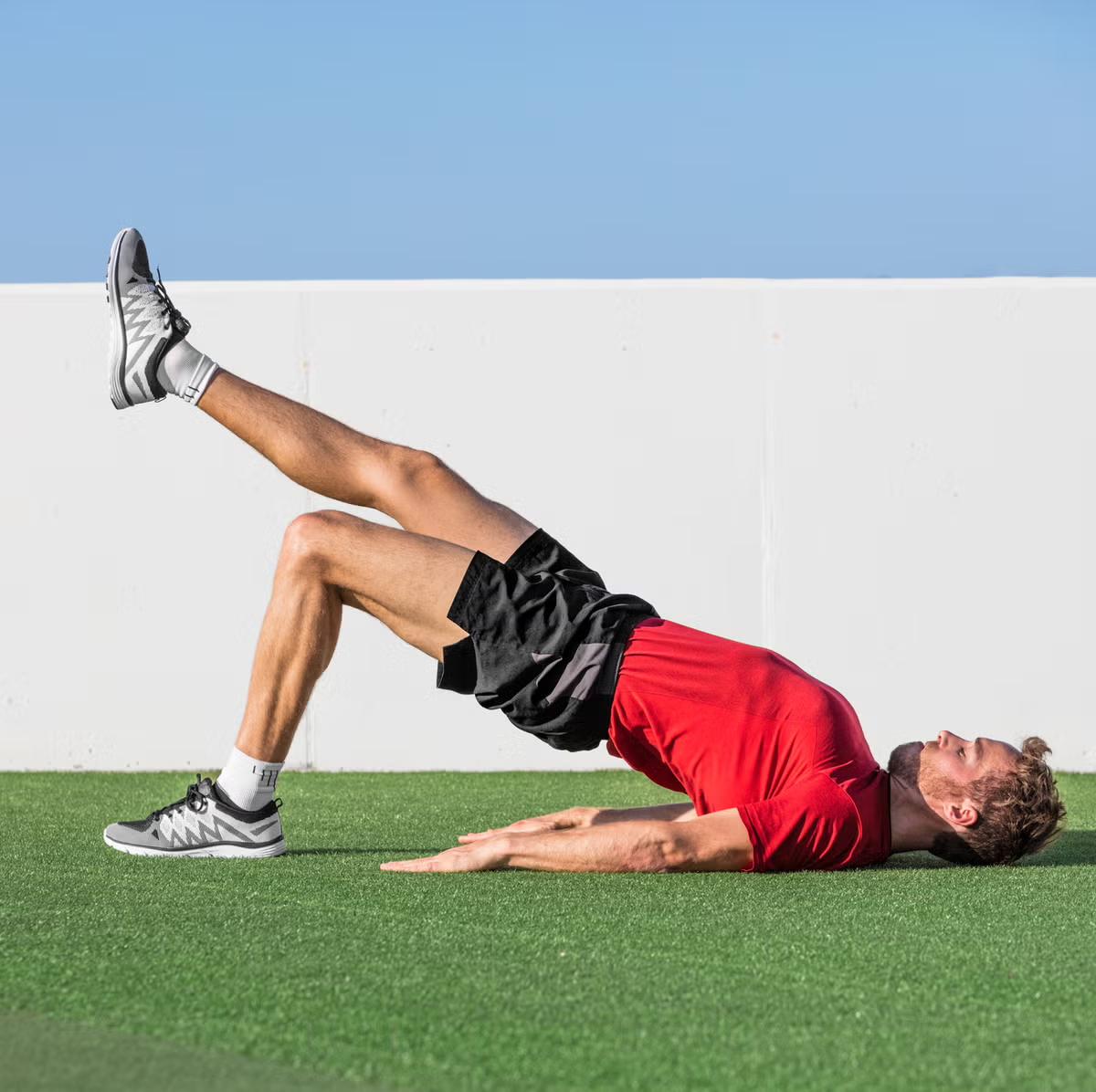
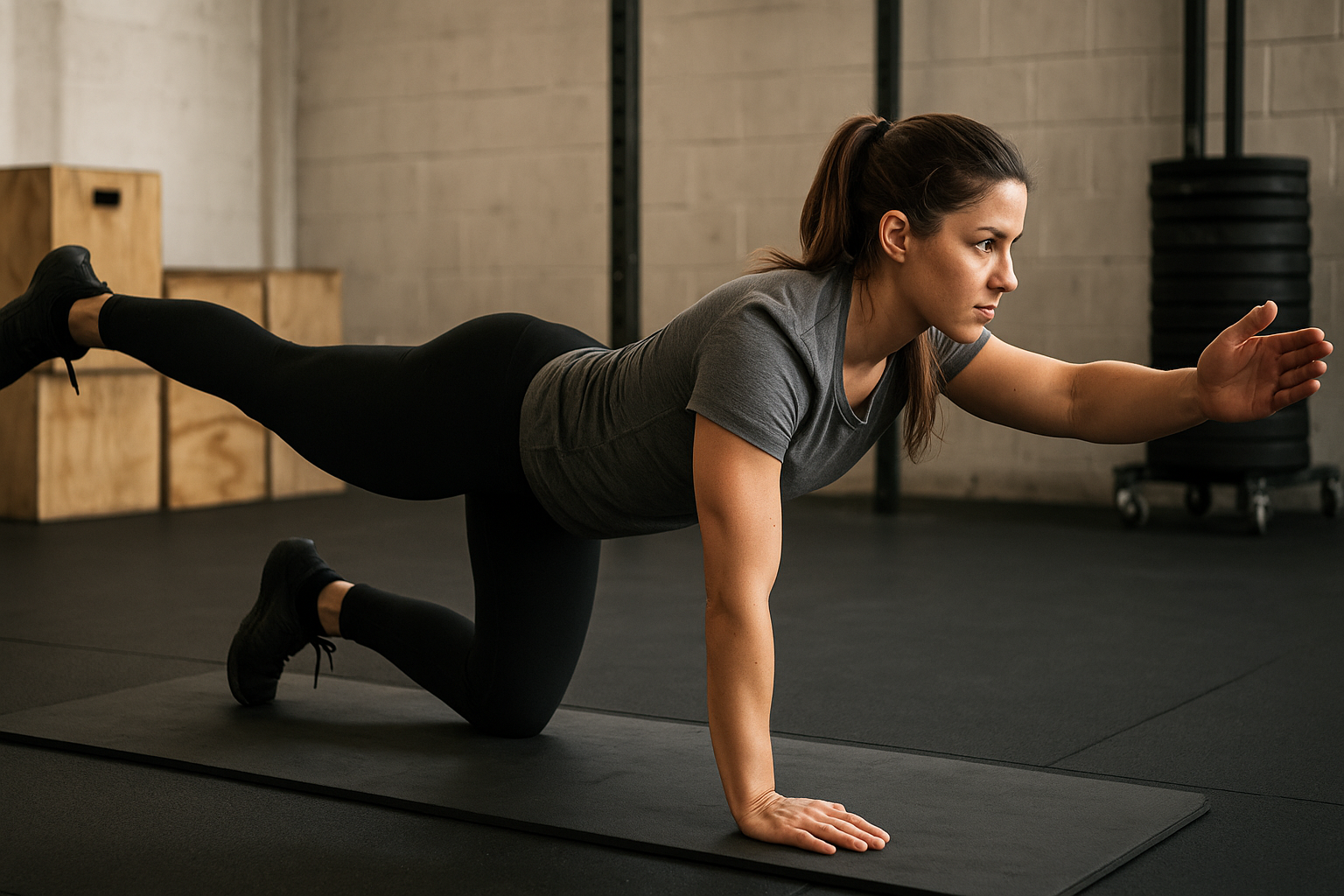
Good practice often looks less impressive than people expect. You may use a lighter barbell, break a movement into pieces, repeat the same drill several times, or rest more than you would during a workout. A coach may ask you to change something that temporarily makes you slower or less comfortable. That's not lost training time, that's the work, and the point is to leave with a little more skill than you arrived with.
Training is different. Once we have enough proficiency to perform something safely and consistently, we can use it to create an adaptation.
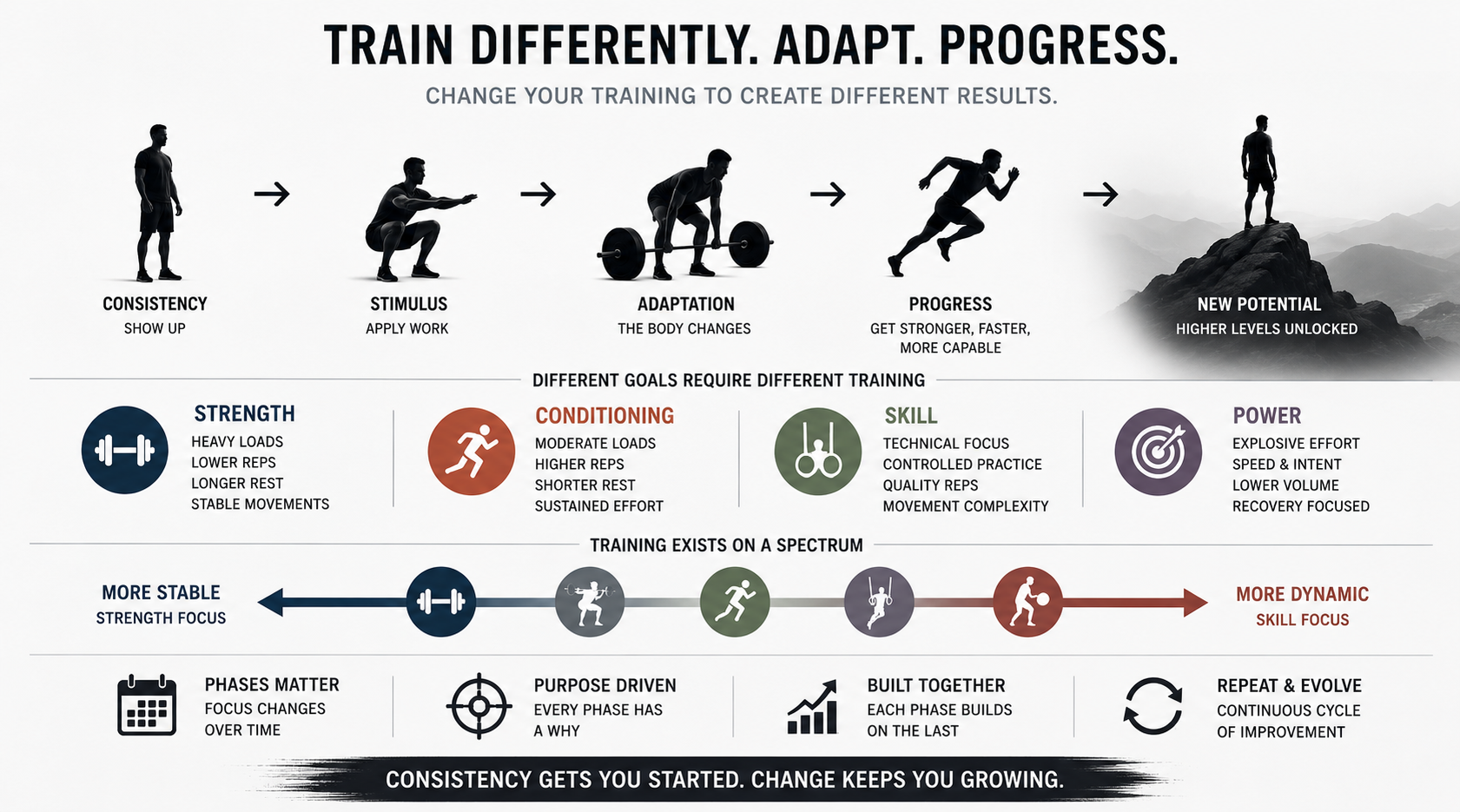
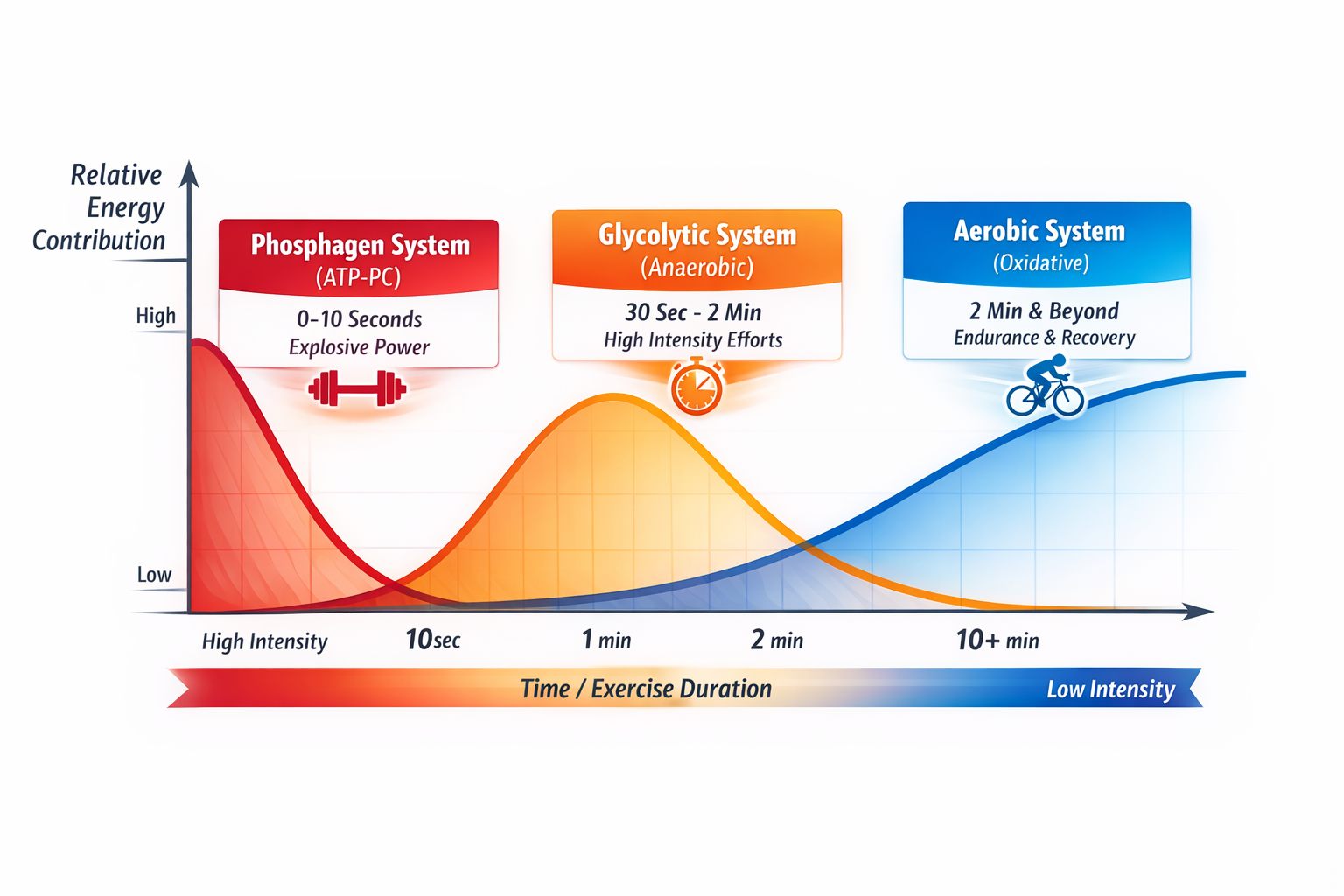
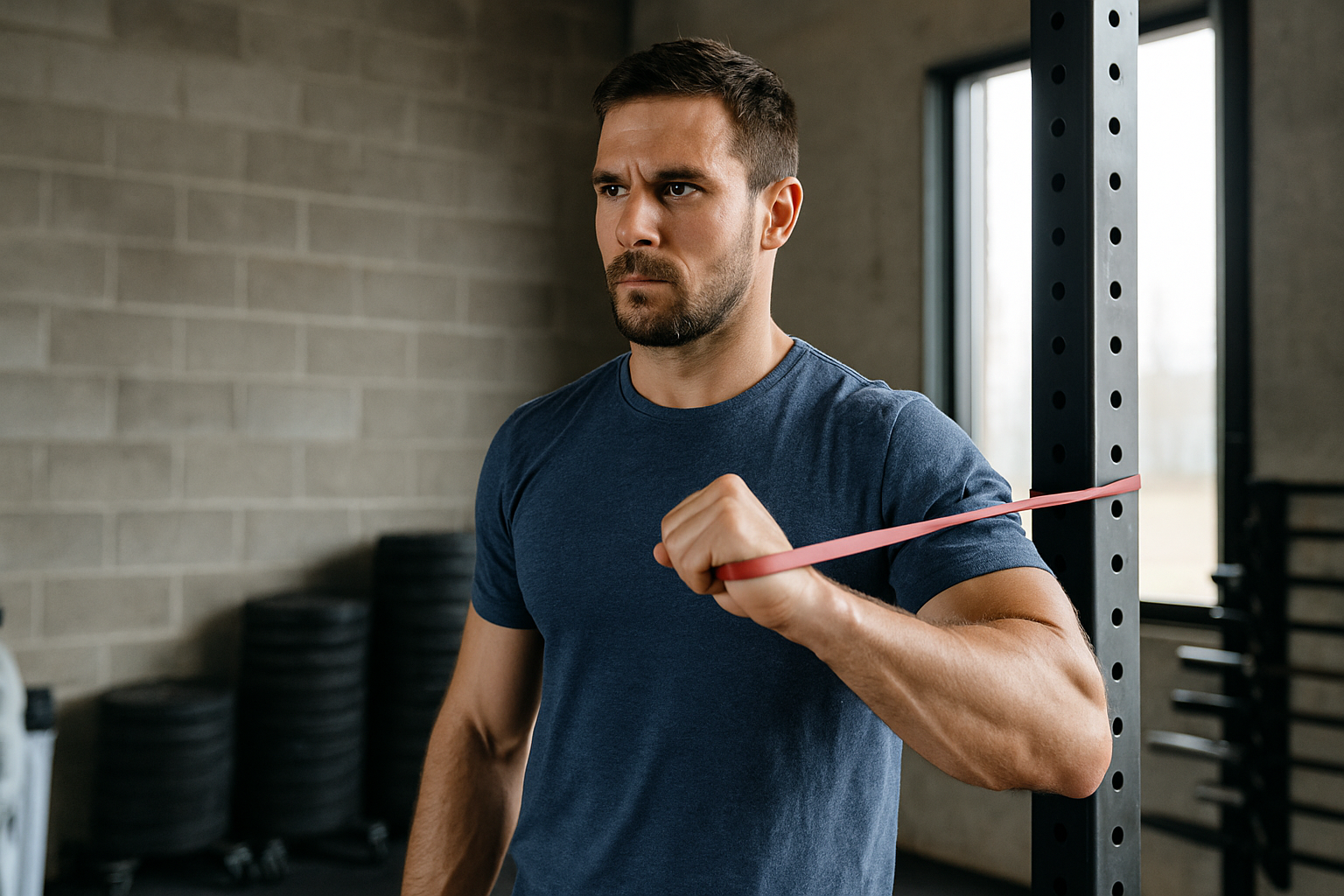
Maybe we're trying to get stronger. Maybe we're developing aerobic capacity, muscular endurance, power, or the ability to maintain a pace under fatigue. Whatever the target is, the session needs to provide enough stress to give the body a reason to adapt, and that stress has to match the adaptation we're trying to create.
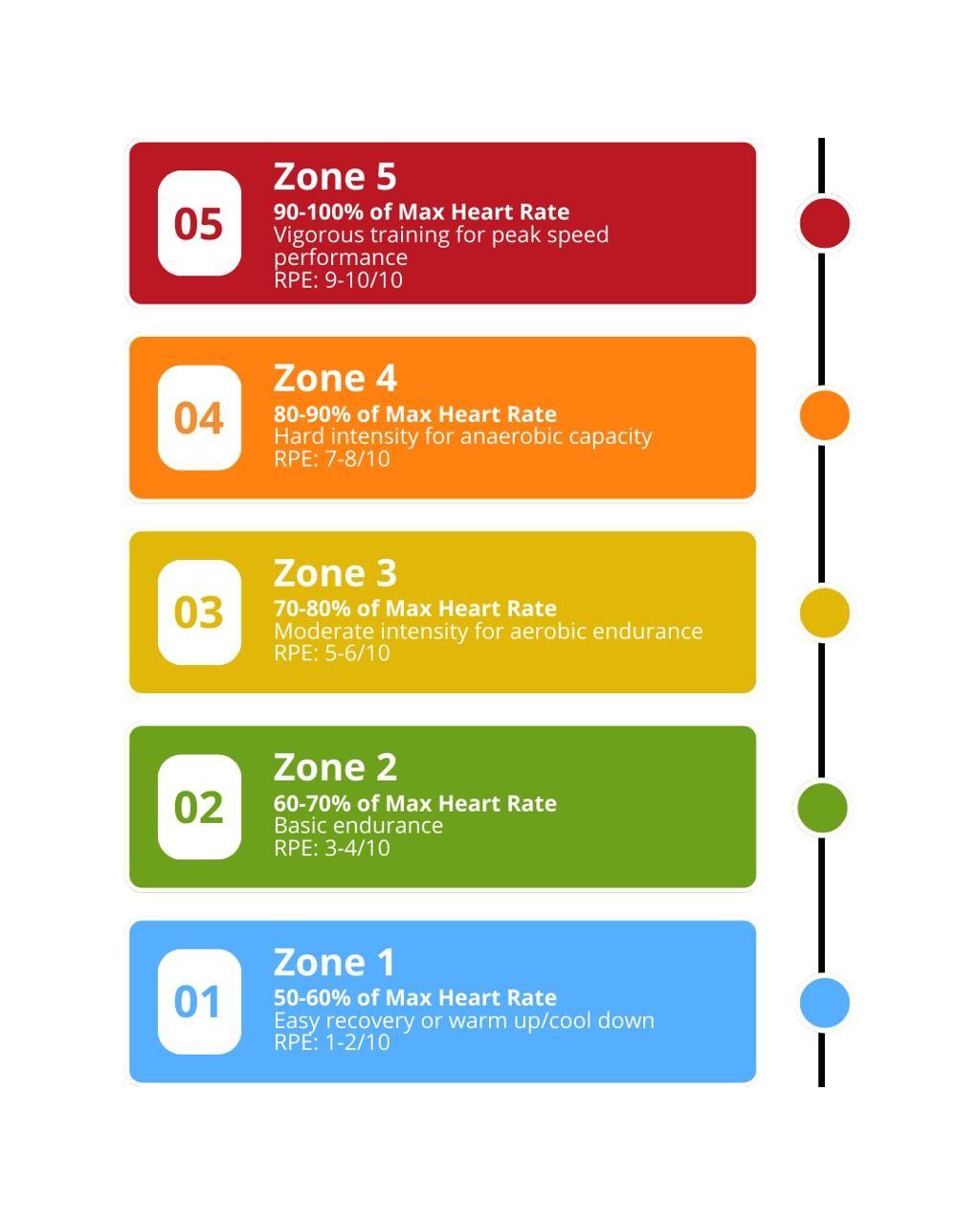
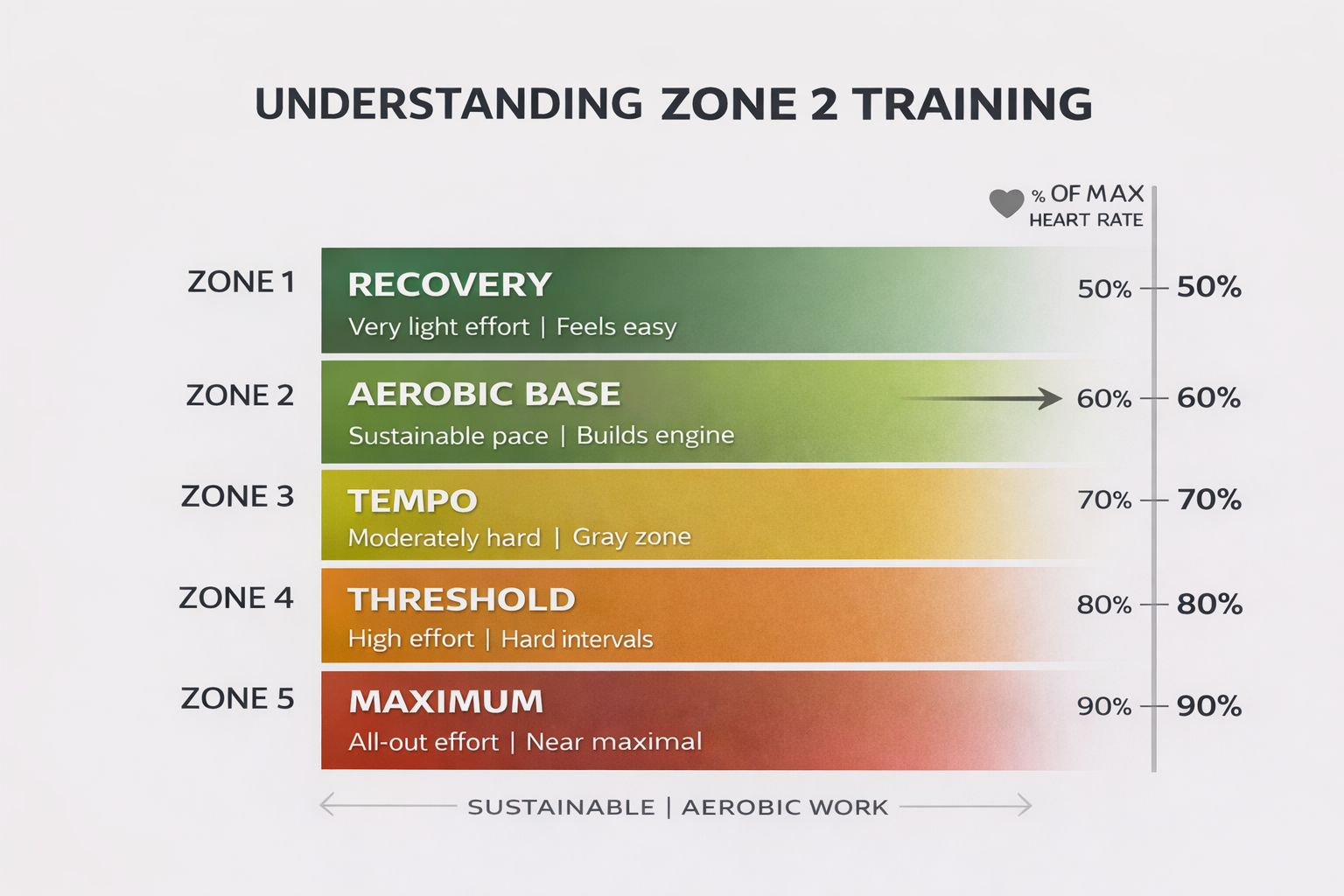
If we're developing strength, the load and rest periods matter. If we're doing aerobic work, turning the final fifteen minutes into a race can change what we're training. If the goal is repeated sprint ability, deliberately keeping the pace comfortable misses in the other direction.
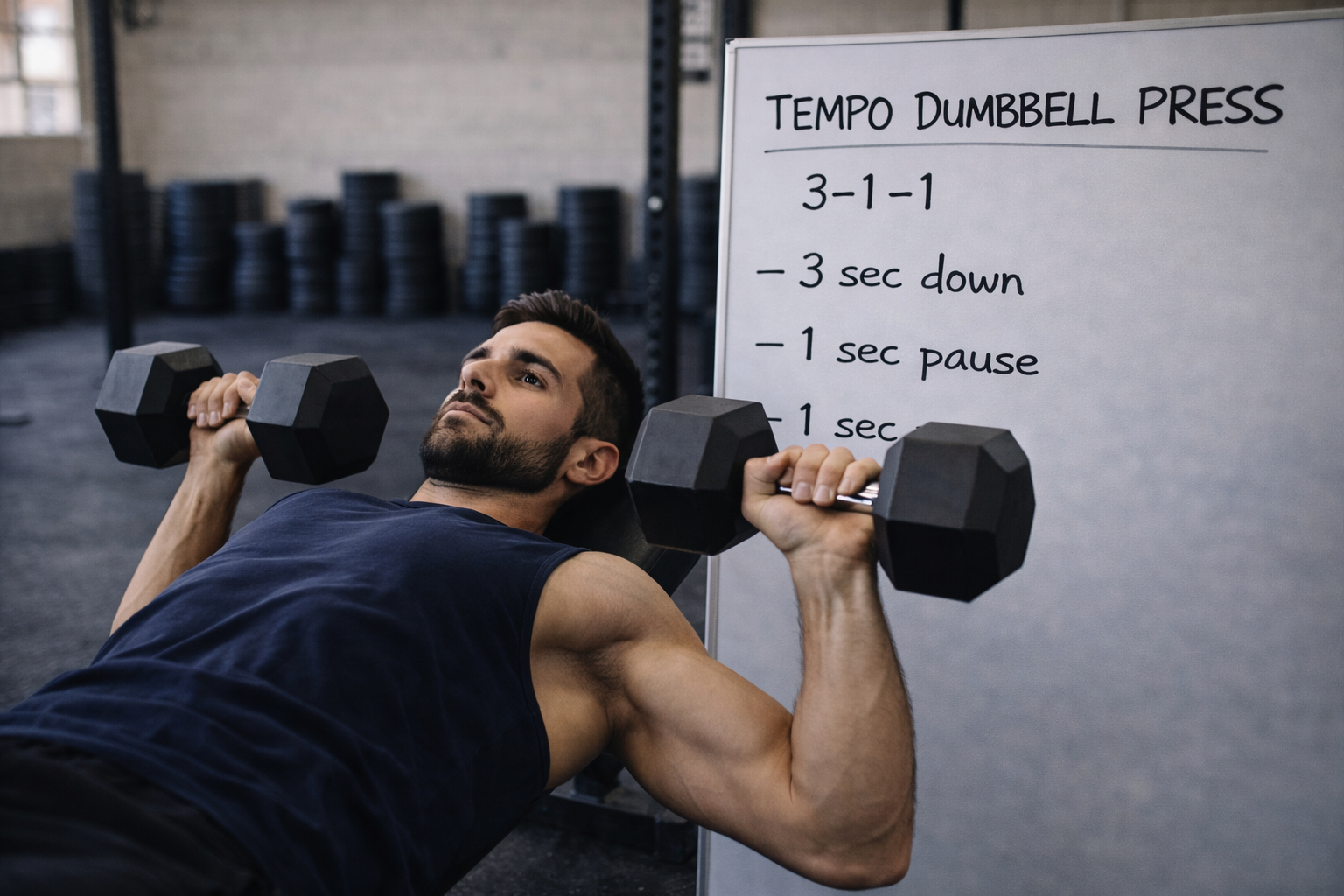
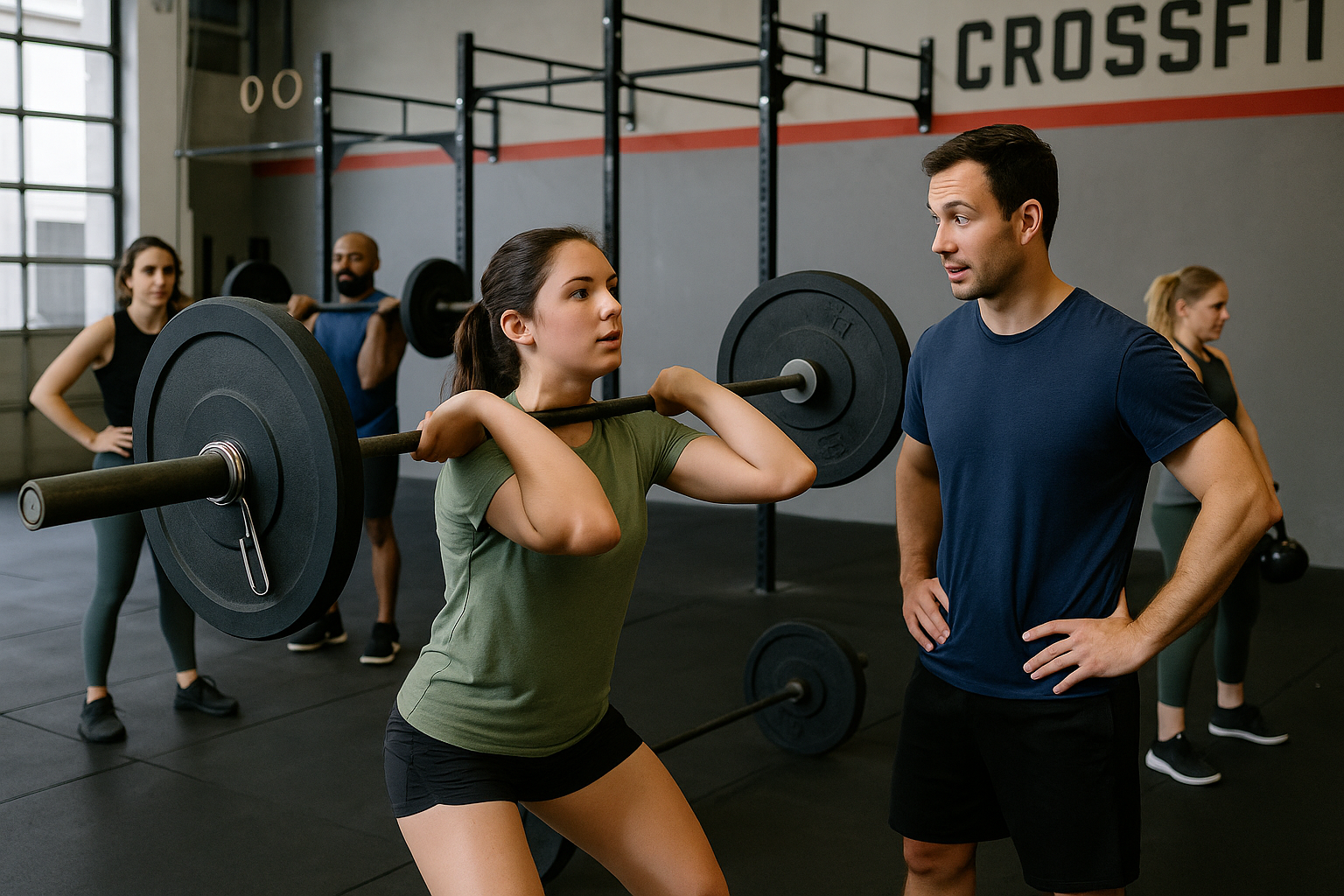
This is where coaching becomes more important than simply knowing what movements are written on the board. Two people can complete the same workout and get very different training effects from it. The right load, pace, movement variation, or rep scheme depends on what we're trying to accomplish, and on the person standing in front of us that day. That's why you'll hear coaches talk about the intended stimulus before a workout. We're not just explaining how to survive what's written, we're trying to help you get the thing the workout was designed to give you.
Competition, or testing, flips the objective. Practice asks whether you can do this better, training asks what you can build, and competition asks what you can do right now.
When we're testing, output matters. A one-rep max, benchmark workout, CrossFit Open workout, race, or competition gives us permission to see what happens when performance becomes the priority. Technique still matters, strategy still matters, but we're no longer deliberately holding something back to accumulate productive work for next week. We're trying to find the edge of our current ability.
Testing is valuable because it gives us information. It can show us whether training worked, expose weaknesses we didn't know were there, and give us a new reference point for the next phase of training. But testing fitness and building fitness aren't the same job, and if you constantly test a quality instead of training it, eventually there's nothing new to test.
Most people understand practice when they're obviously learning something new, and they understand competition when there's an actual event or benchmark on the calendar. Training is where the lines tend to get blurry, and CrossFit makes that especially easy.
We train around other people. There's a clock running. Scores go on a leaderboard. Someone you usually finish near is ten reps ahead, and the person beside you puts another ten pounds on the bar. None of that is inherently bad. Training with other people can help us work harder, stay consistent, and enjoy the process considerably more than doing everything alone. But the energy of the room can also turn a training session into an unofficial competition very quickly.
Part of becoming better at training is learning to use that environment without letting it make every decision for you. The person next to you can pull you through the last few minutes of a hard workout without determining what weight belongs on your bar. You can chase someone on a day meant for intensity and let them go on a day meant for controlled aerobic work. Community gives us people to work with, and coaching helps us decide how today's work should look for us. Both make the process better when we use them for what they're good at.
These categories don't necessarily describe entire days. You might spend the first fifteen minutes of class practicing a technical movement with a light load, train that movement through controlled working sets, and finish with a conditioning piece where the goal is to push your output. The important thing is recognizing when the objective changes.
If we're practicing, chasing load too early can get in the way. If we're training, turning every set into a max effort can create more fatigue than useful work. If we're testing, being overly conservative can keep us from learning what we're actually capable of. There isn't one level of effort that's correct for every situation, the right approach depends on the job.
This is one of the skills experienced athletes develop over time. They don't necessarily work harder than everyone else every day, they're better at directing their effort. They can spend twenty minutes patiently working on a weakness without needing to prove anything. They can follow percentages on a strength day even when they feel capable of going heavier. They can hold an aerobic pace while someone else races ahead. And when the day actually calls for a test, they know how to stop saving something for later and compete.
That ability doesn't always come naturally, particularly in a group training environment. It's something we learn through experience, feedback, and coaching. Before a session, it helps to know what you're being asked to do. During it, pay attention to whether your decisions still match that purpose, and if you're unsure, ask your coach. That's part of what we're there for.
Last week we asked why we're training in the first place. This week, take that question one step further: am I here to practice something, train something, or test something today? Once you know the answer, it becomes a lot easier to decide what good work actually looks like.