Intensity Is a Tool: Why Harder Isn’t Always Better
Intensity drives fitness, but harder isn't always better. Learn how the right amount of effort creates better training, recovery, and long-term progress.
By
September 28, 2026

Intensity is a big part of why training works. At some point, if we want our bodies to adapt, we have to ask them to do something that is difficult enough to require a change. We lift heavier, move faster, work longer, or do more than we were previously capable of doing. If we never ask the body to reach beyond what it can already comfortably handle, there isn't much reason for it to get better.
Where we can get into trouble is assuming that because intensity works, more intensity must work better. CrossFit probably makes us a little more susceptible to this because working hard is baked into what we do. We keep score, put times on the board, lift heavy things, and regularly do workouts where lying on the floor afterward seems like a reasonable life choice. None of that is a problem. The question is whether the amount and type of intensity match what we're trying to accomplish that day.
Making a workout harder is pretty easy. Add weight, take away rest, add another round, tighten the time cap, or just tell everyone to go faster. Given enough creativity, we can make almost anything miserable.
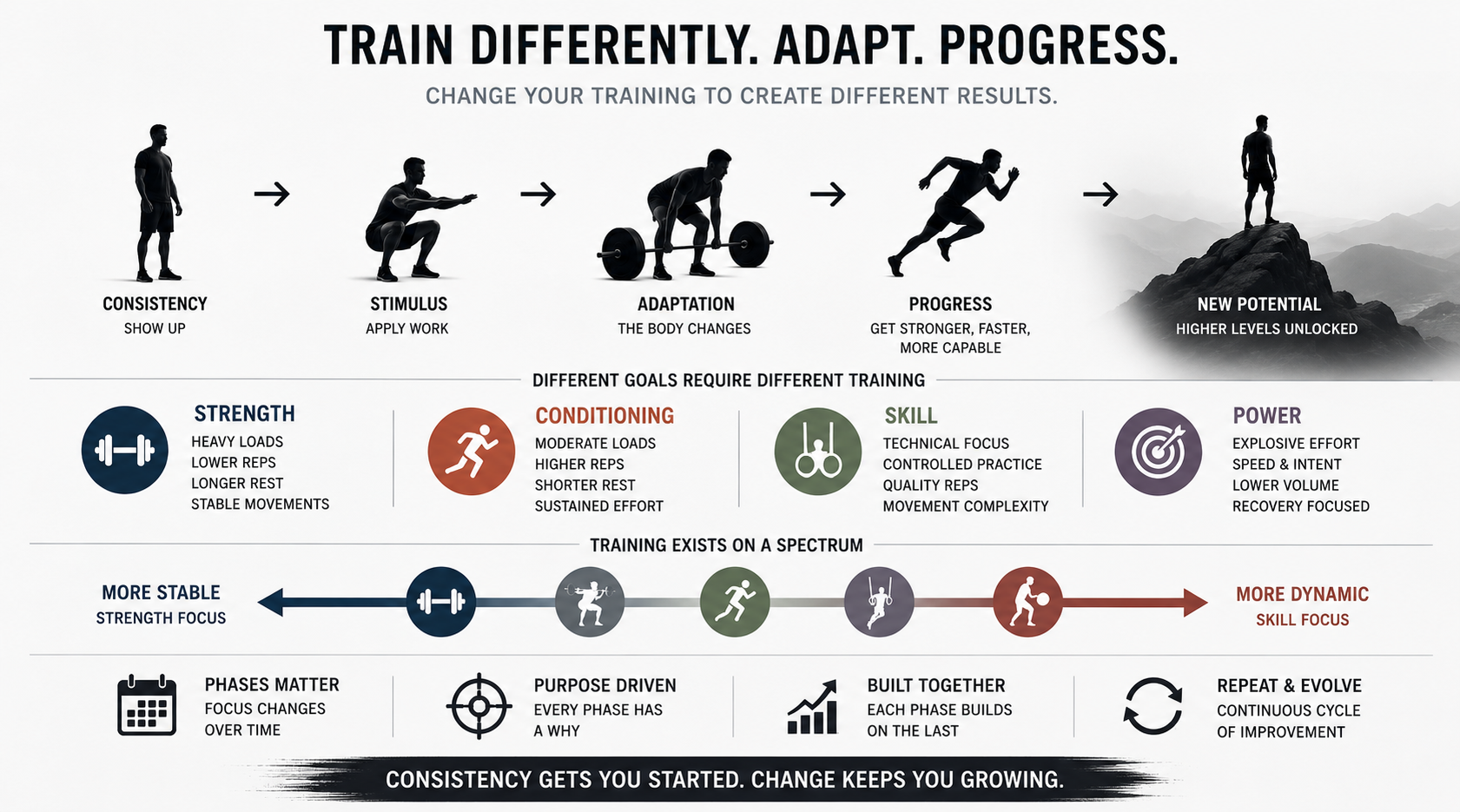
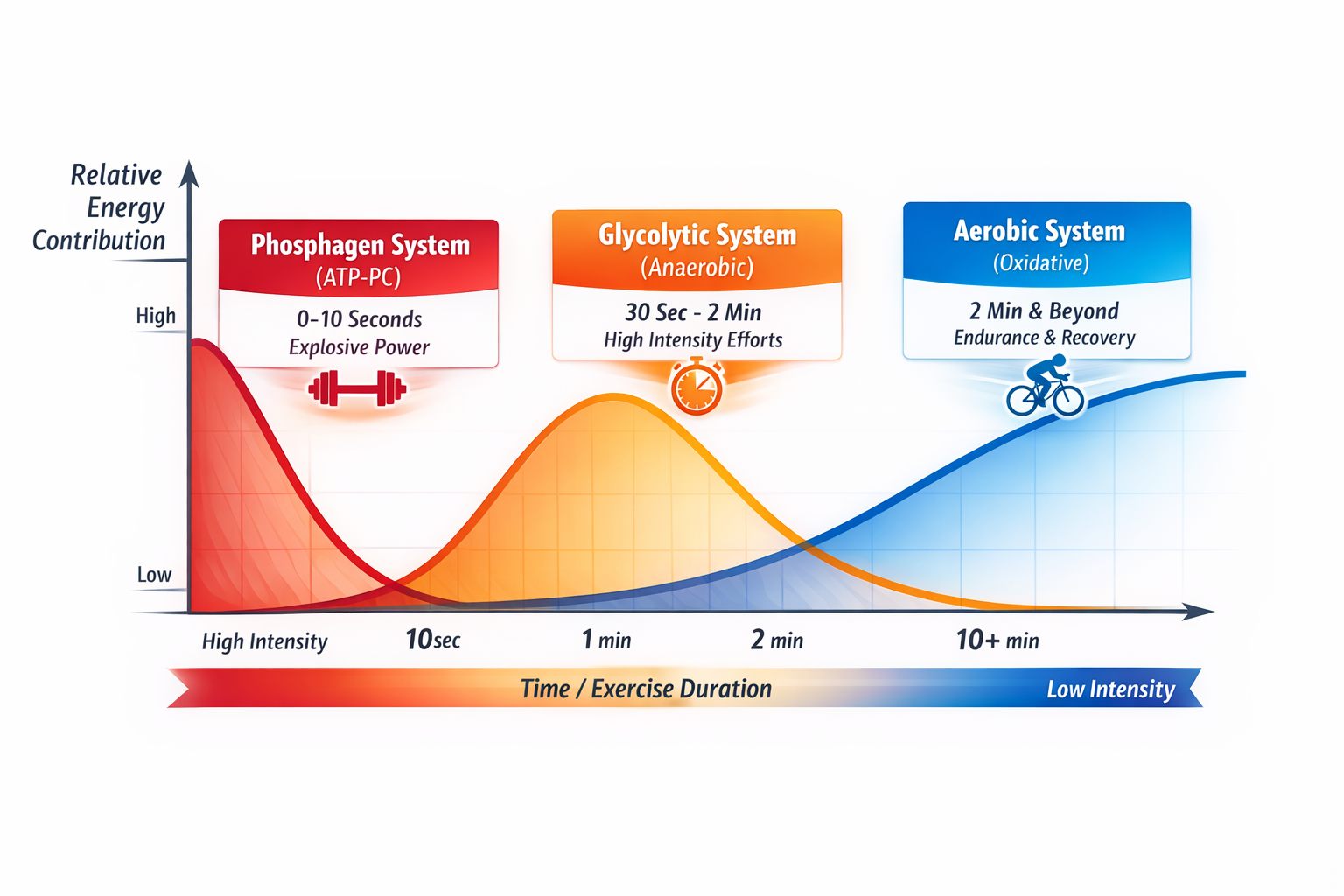
Making something harder doesn't necessarily make it more productive, though. A six-minute workout and a thirty-minute workout shouldn't feel the same. Neither should a heavy set of three and a set of ten. A day spent developing aerobic capacity should ask something different of you than a short sprint, and neither should feel like practicing a technical lift.
There can be plenty of effort in all of those sessions, but the effort serves a different purpose. If we're doing a short workout designed to test how much work you can sustain at a high output, pacing it like a comfortable twenty-minute workout misses part of the point. If we're trying to accumulate twenty or thirty minutes of steady work, attacking the first three minutes like you're being chased will probably miss the point in the other direction.
The same thing happens with the barbell. There are days when the weight needs to be heavy enough that producing force is the challenge. There are other days when we're trying to improve speed, position, or timing, and adding weight until the lift slows down or gets sloppy changes what we're actually practicing.
The workout tells us what movements we're doing. The intended stimulus tells us how we should do them.
A prescribed workout gives everyone a common starting point, but it can't tell us exactly how difficult that workout will be for every person in the room. A 135-pound barbell might be light for one athlete, moderate for another, and close to a maximum for someone else. The same thing happens with running pace, gymnastics movements, calories on a machine, and almost everything else we do.
It even changes for the same person. A weight that felt routine last week can feel surprisingly rude after poor sleep, a stressful few days, or a hard stretch of training. That's normal. Your fitness didn't disappear overnight, but your ability to express it isn't identical every time you walk into the gym.
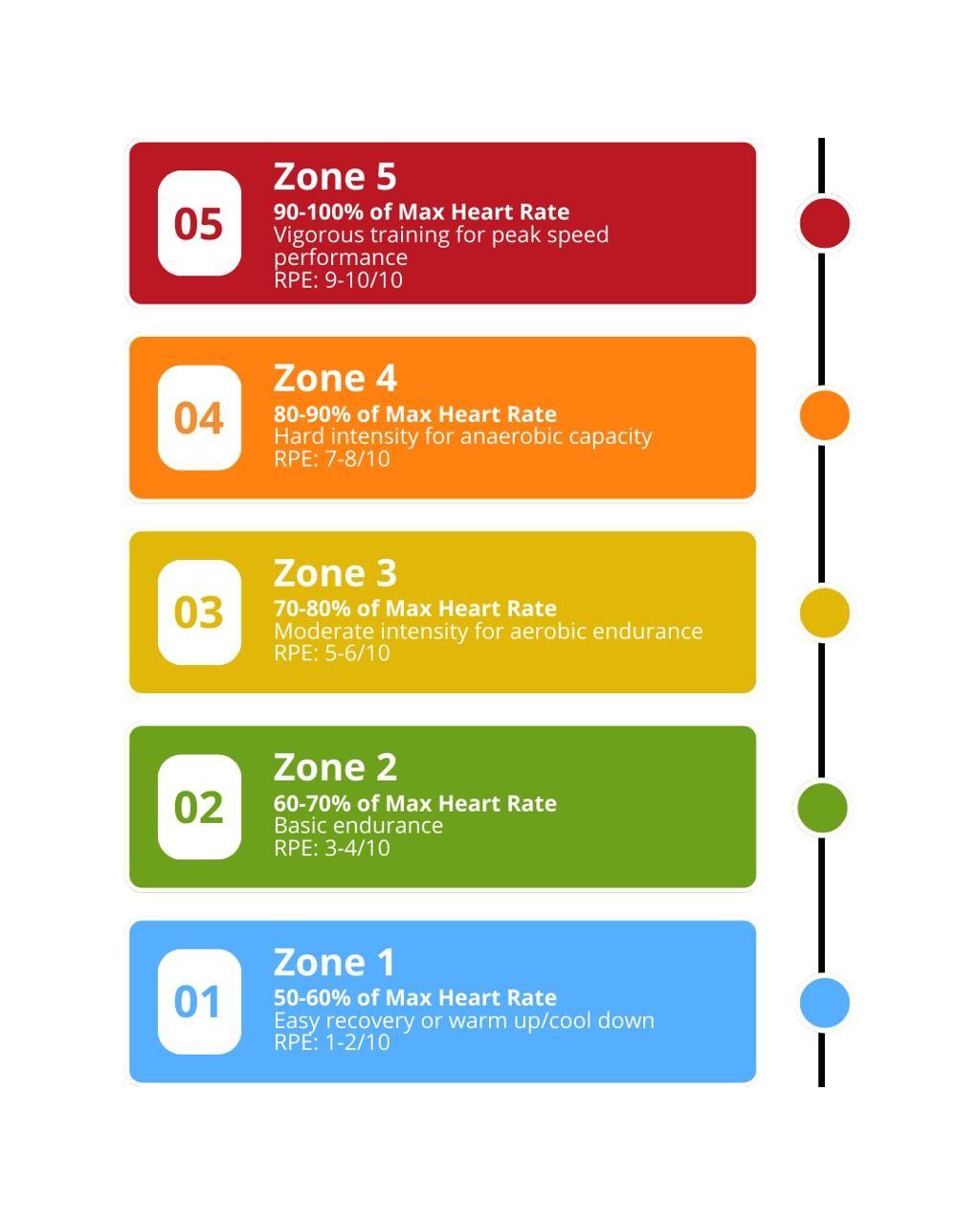
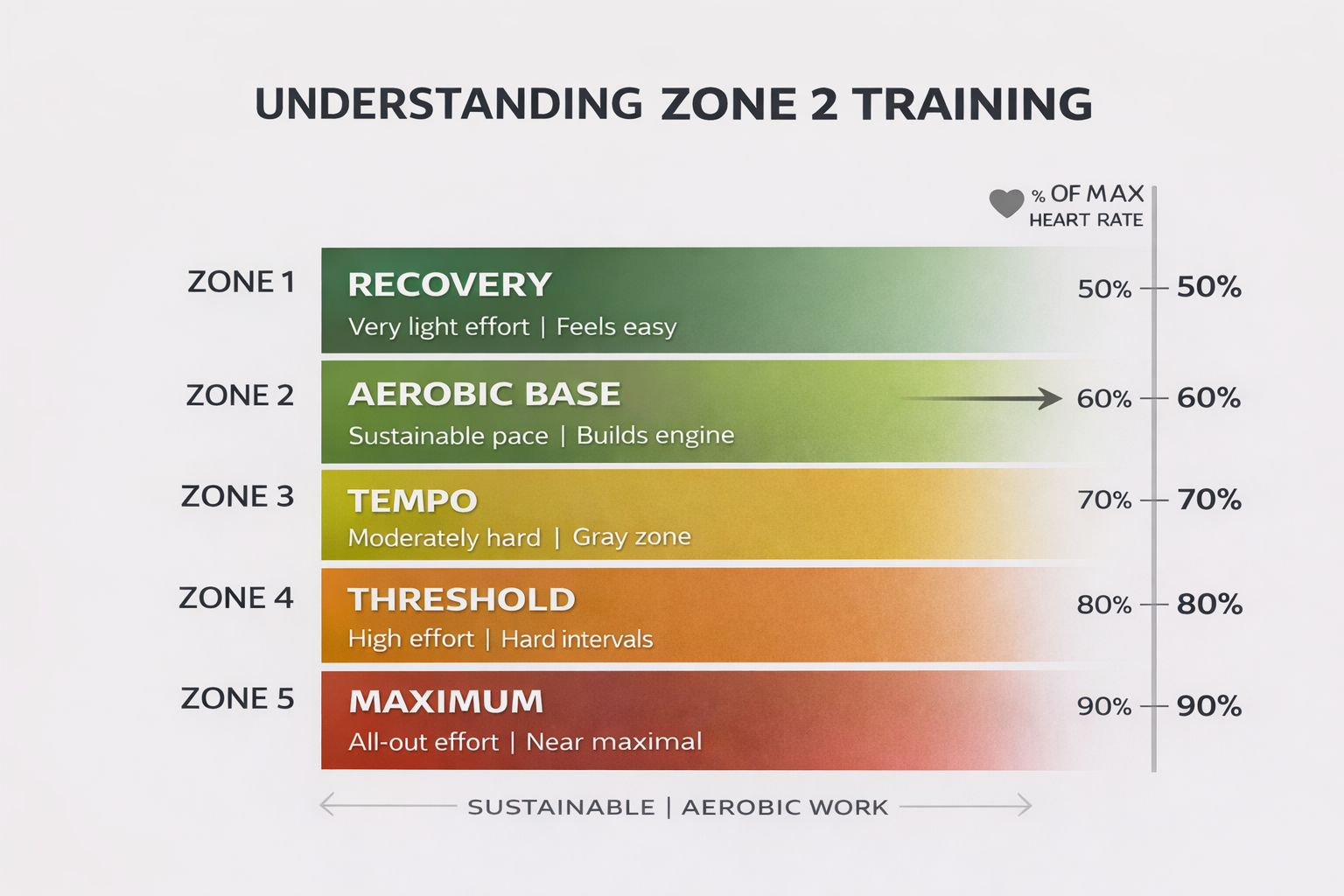
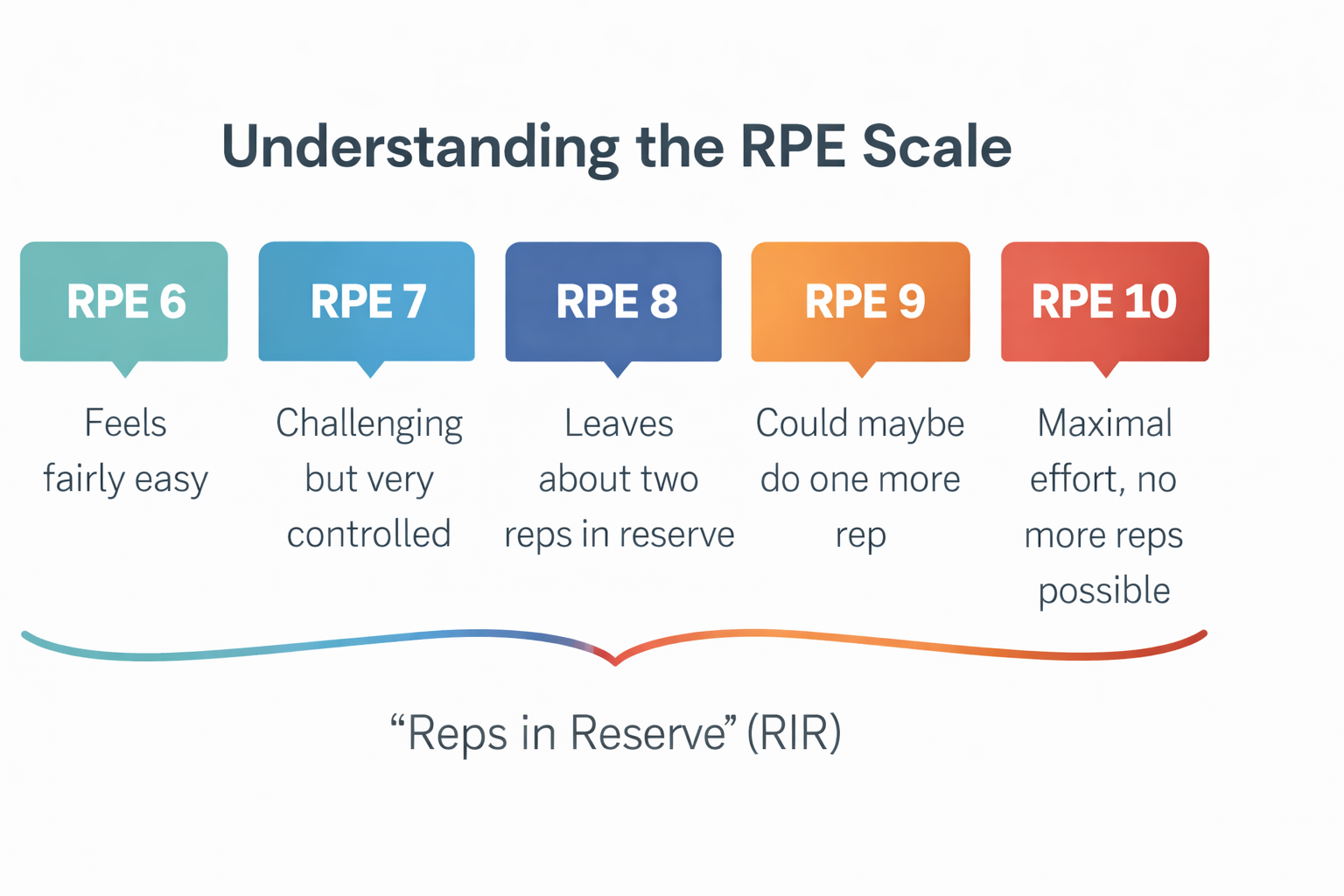
This is why we use percentages, RPE, time domains, pacing suggestions, and scaling instead of assuming the number written on the board creates the same workout for everyone. When a coach suggests taking ten pounds off the bar, changing a movement, or starting at a different pace, the point isn't to make your workout easier. We're trying to get you into the range where the work does what it's supposed to do.
Sometimes that adjustment goes the other direction. You may be planning to cruise through something when your coach knows you're capable of pushing harder. Getting the intensity right doesn't always mean backing off.
None of this works particularly well if we use “training smart” as a clever way to avoid being uncomfortable. There are absolutely days when we want you to push.
Some workouts should put you in a place where maintaining your pace takes real effort. Heavy sets should occasionally require a lot of concentration. Short intervals can ask you to operate at an output you couldn't sustain for very long. Part of becoming fitter is developing the physical capacity to do hard things, and part of training is learning that discomfort doesn't automatically mean you need to stop.
The room can help with that. Someone beside you keeps moving when you were thinking about putting the bar down, so you hang on for another couple of reps. You hear someone coming up behind you on the rower and suddenly discover a pace you apparently didn't have thirty seconds ago. A coach who's watched you train for years can usually tell the difference between the face you make when you're actually at your limit and the face you make when you'd simply prefer to stop.
That extra push can be useful. It's one of the reasons training with other people often gets more out of us than we would get training alone.
It can also pull us in the wrong direction. The person next to you doesn't necessarily have the same goal, ability, movement, load, or training history. Chasing them can be exactly what you need in one workout and completely change the intended effect of another. Sometimes they're just faster than you. Annoying, but survivable.
Intensity comes with a cost. Harder efforts generally create more fatigue, and fatigue is something we have to recover from before we can do more productive work.
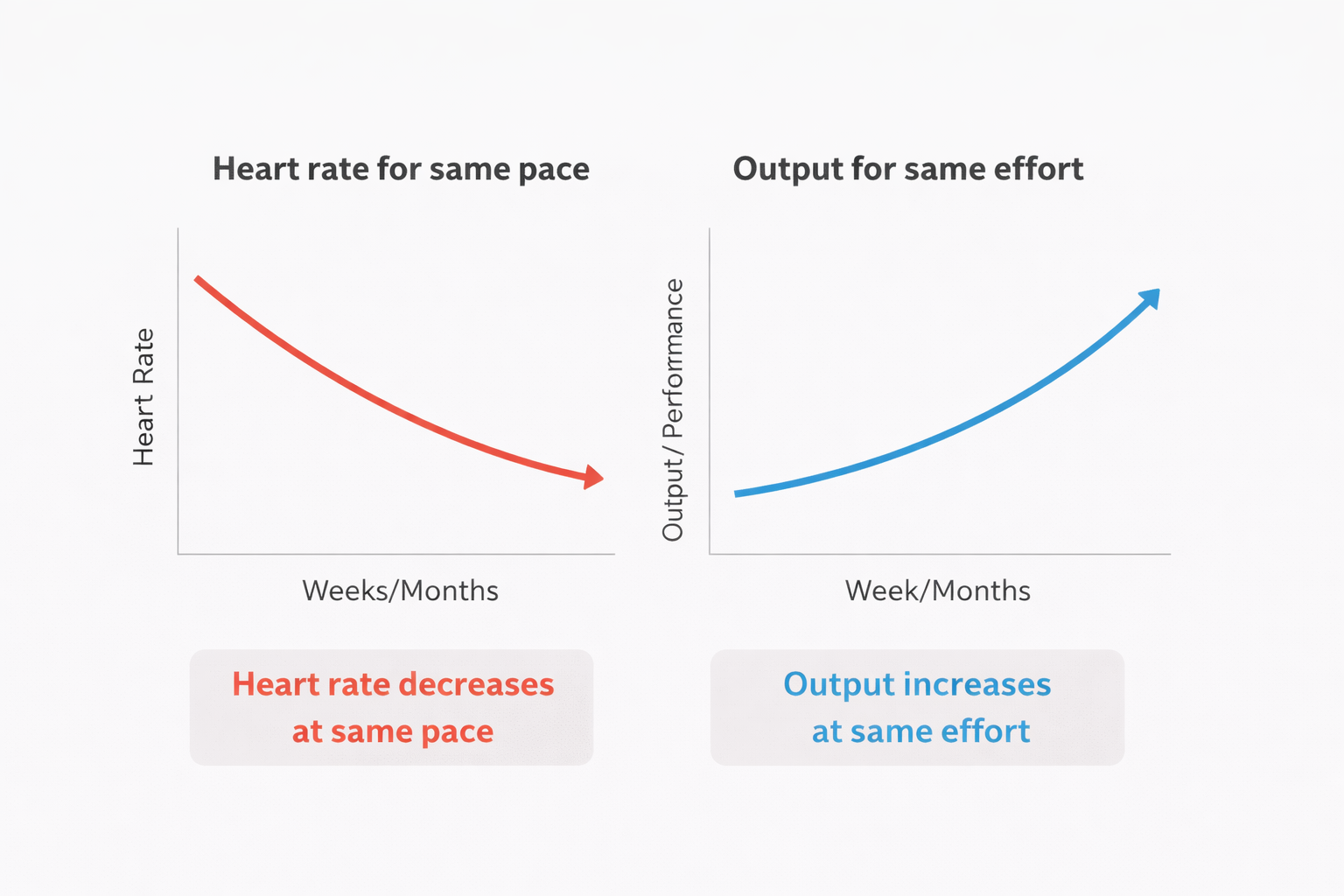
That's not an argument against hard training. Fatigue is a normal part of it. But being fatigued isn't the adaptation we're after. The training provides the stress, then the body has to recover and respond to it. If we repeatedly create more stress than we can recover from, eventually the work we did yesterday starts affecting what we're capable of doing today.
Usually that isn't dramatic. You can still show up and train, but the barbell feels heavier than it should, normal paces are harder to hold, soreness hangs around longer, or movements that normally feel sharp start getting a little sloppy. One rough day doesn't mean anything is wrong. If it becomes the normal pattern, it's worth paying attention to.
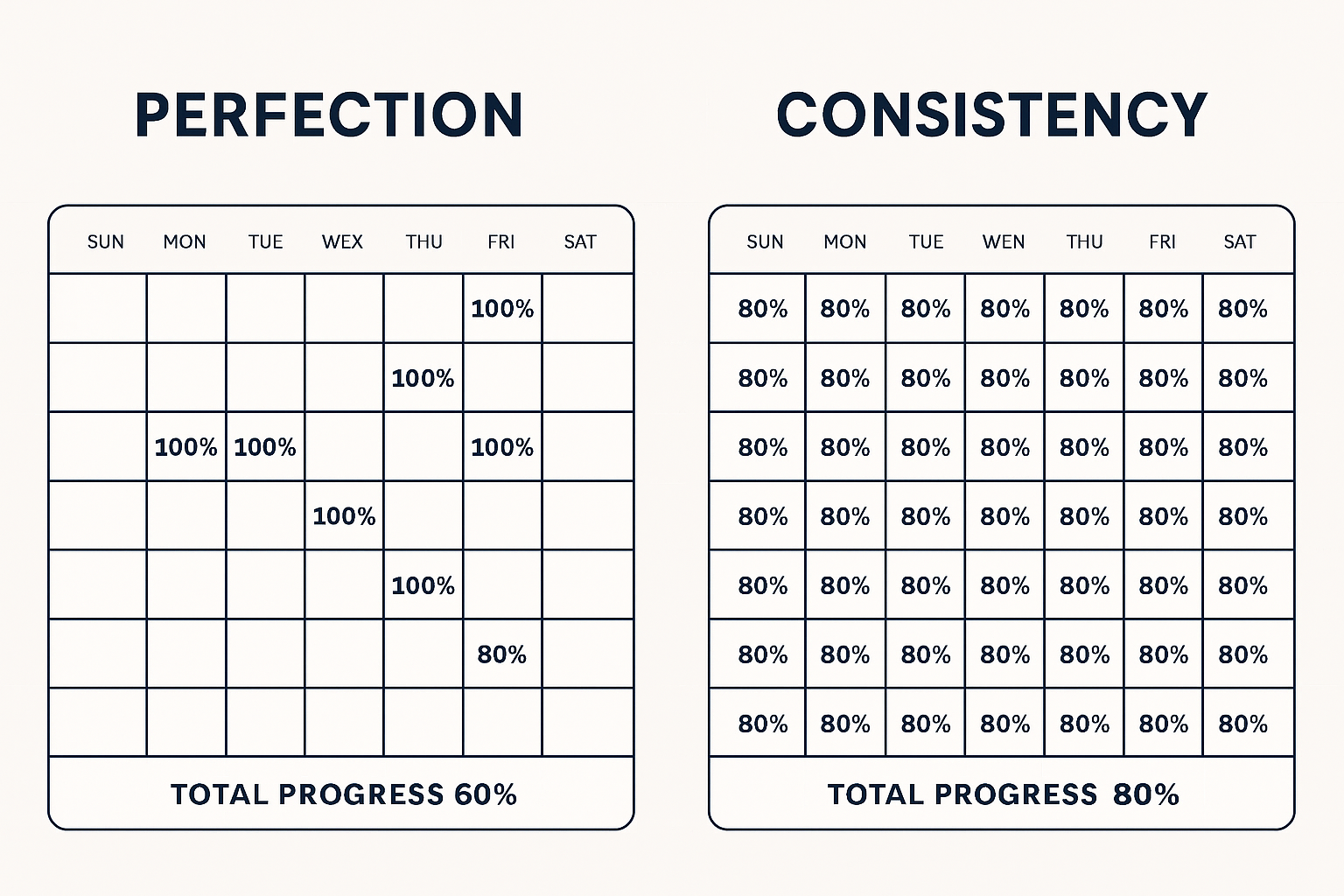
This is one reason evaluating every workout by how destroyed you feel afterward doesn't tell us much. Squeezing an extra ten percent out of Monday may not have accomplished very much if it makes the next several days worse. Over a week, a month, or a year, we're interested in how much useful training you can consistently do and recover from, not how much fatigue you can collect in a single hour.
When you're newer to training, it's difficult to know what different levels of effort actually feel like. Sustainable can feel suspiciously easy at first. A heavy lift can feel like a maximum when you actually have several good reps left. In a longer workout, it may take a few spectacular pacing mistakes before you learn that feeling great at minute two tells you very little about how minute eighteen is going to go.
That gets better with experience. You start recognizing what a pace feels like when you can hold it for twenty minutes instead of five. You learn the difference between a weight that's challenging and one that's changing your movement. You get better at knowing when you're uncomfortable but still in control and when your output is actually falling apart.
Coaching helps calibrate that process because what you feel and what is actually happening aren't always the same thing. Over time, though, you should need less guessing. You'll have previous workouts, lifts, RPEs, and a lot of slightly painful trial and error to draw from.
That's a useful skill because we don't want the same effort from you every day. Sometimes the right call is to settle in and work. Sometimes it's to slow down enough to keep the quality of the movement. Sometimes it's to put more weight on the bar. And sometimes the coach says three, two, one, go, and you really are supposed to see what you've got.