Train the Whole System: Why Fitness Needs More Than One Gear
Strength, endurance, power, and skill all contribute to well-rounded fitness. Learn why effective CrossFit programming develops different qualities over time.
By
October 12, 2026
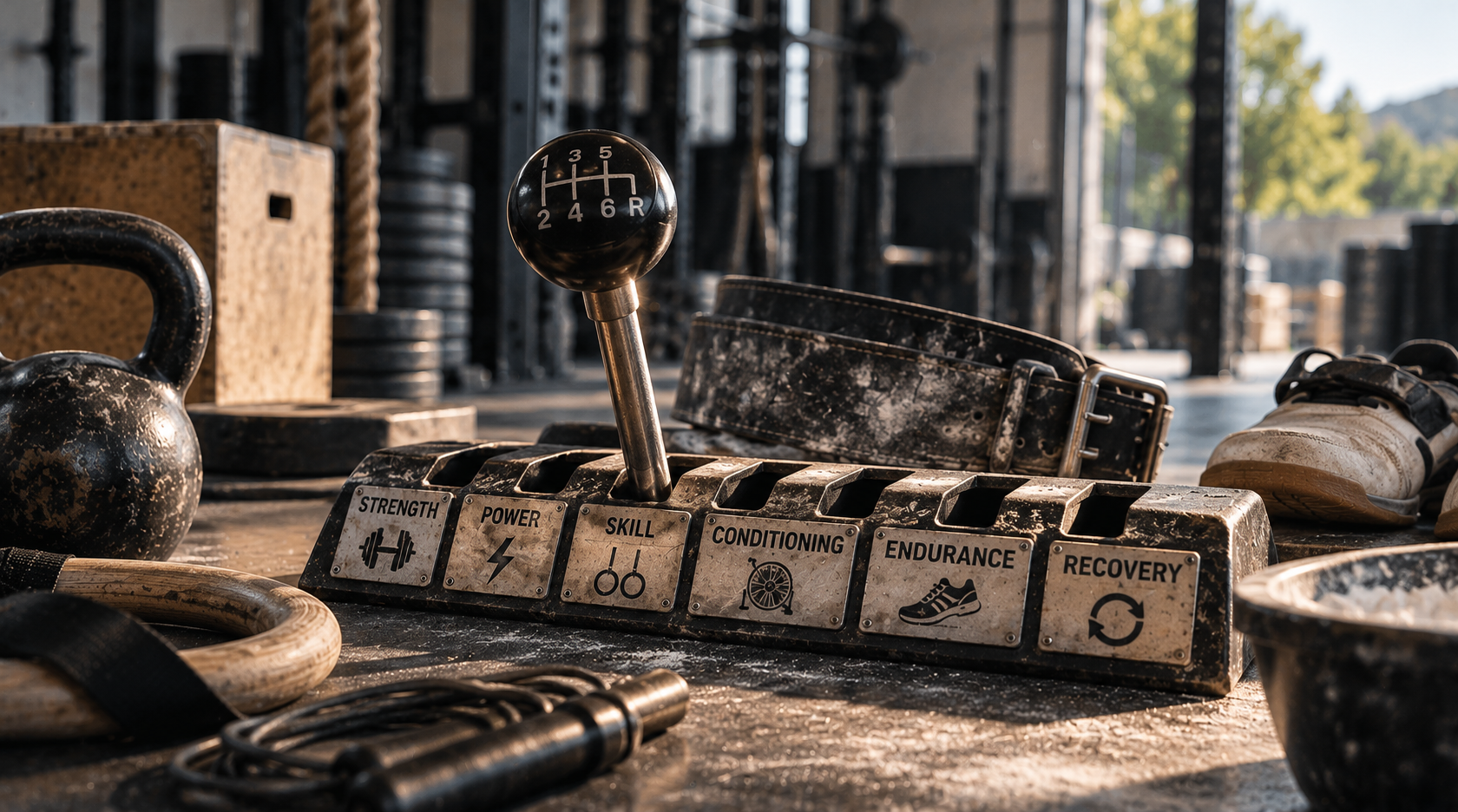
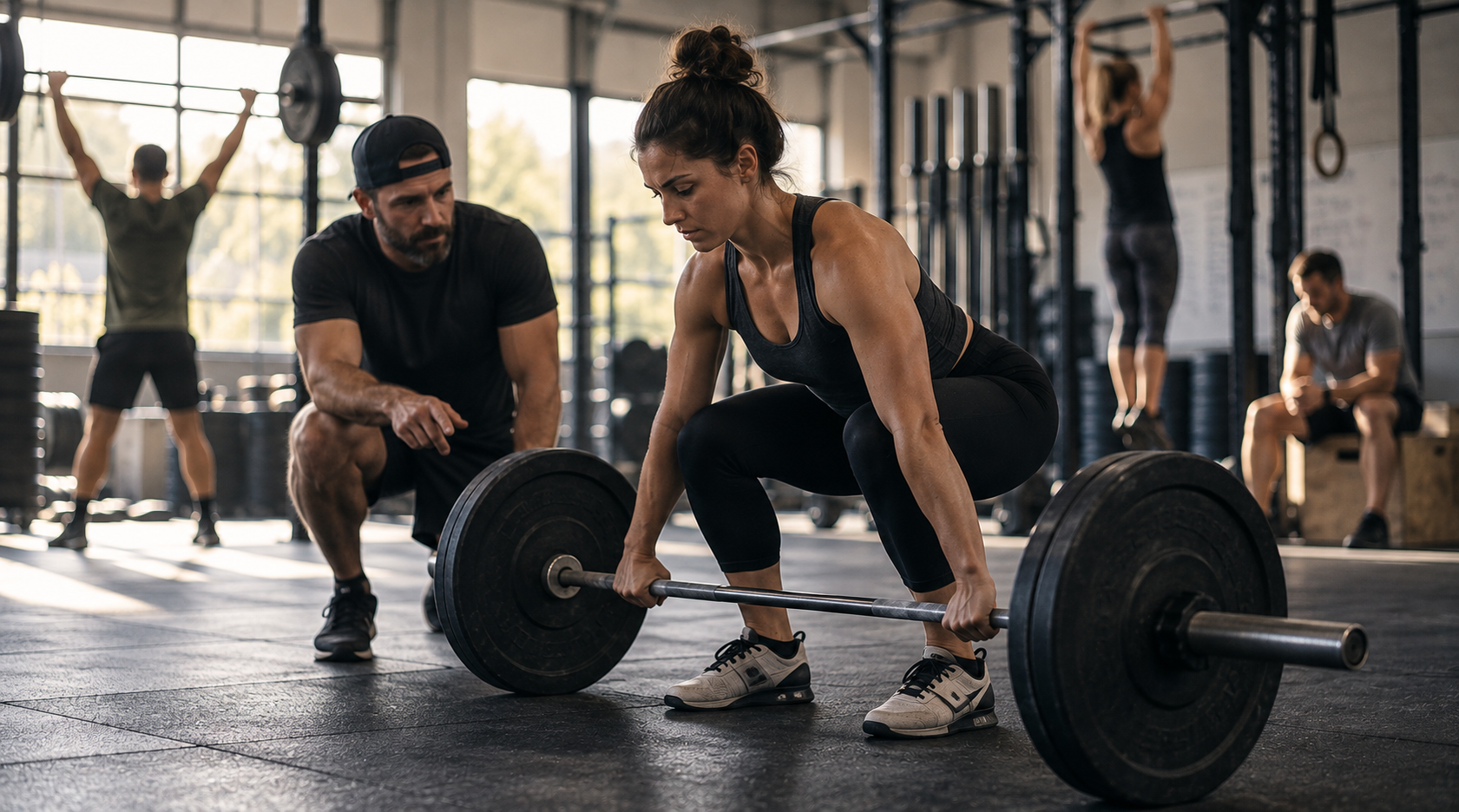
If you've been paying attention to our programming over the last several months, you've probably noticed that we tend to spend more time working on certain things during different parts of the year. We spent a considerable amount of time developing foundational strength, followed that with an emphasis on gymnastics, and are now spending more time on Olympic lifting and power development.
But even during those focused periods, we haven't stopped doing conditioning. We still run, row, bike, practice gymnastics, lift weights, and occasionally spend twenty or thirty minutes wondering why a workout that looked so reasonable on the whiteboard is taking so long.
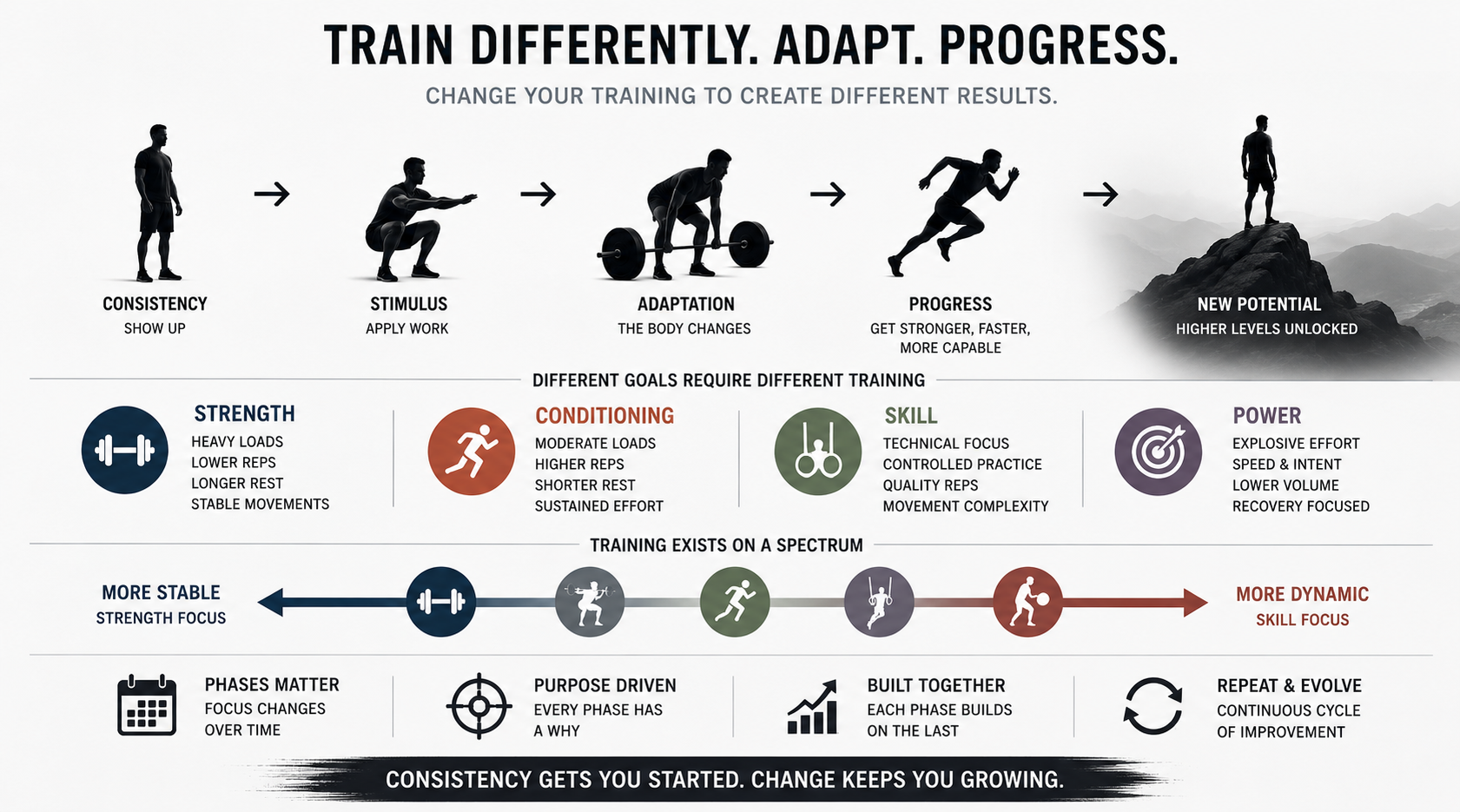
There's a reason for that. While we can give certain qualities more attention, our overall fitness depends on developing and maintaining several different abilities. Being exceptionally good at one thing doesn't necessarily make us particularly capable at everything else.
Think about the difference between lifting a heavy barbell once, sprinting 200 meters, and running three miles. All three require effort, but they're asking very different things of your body.
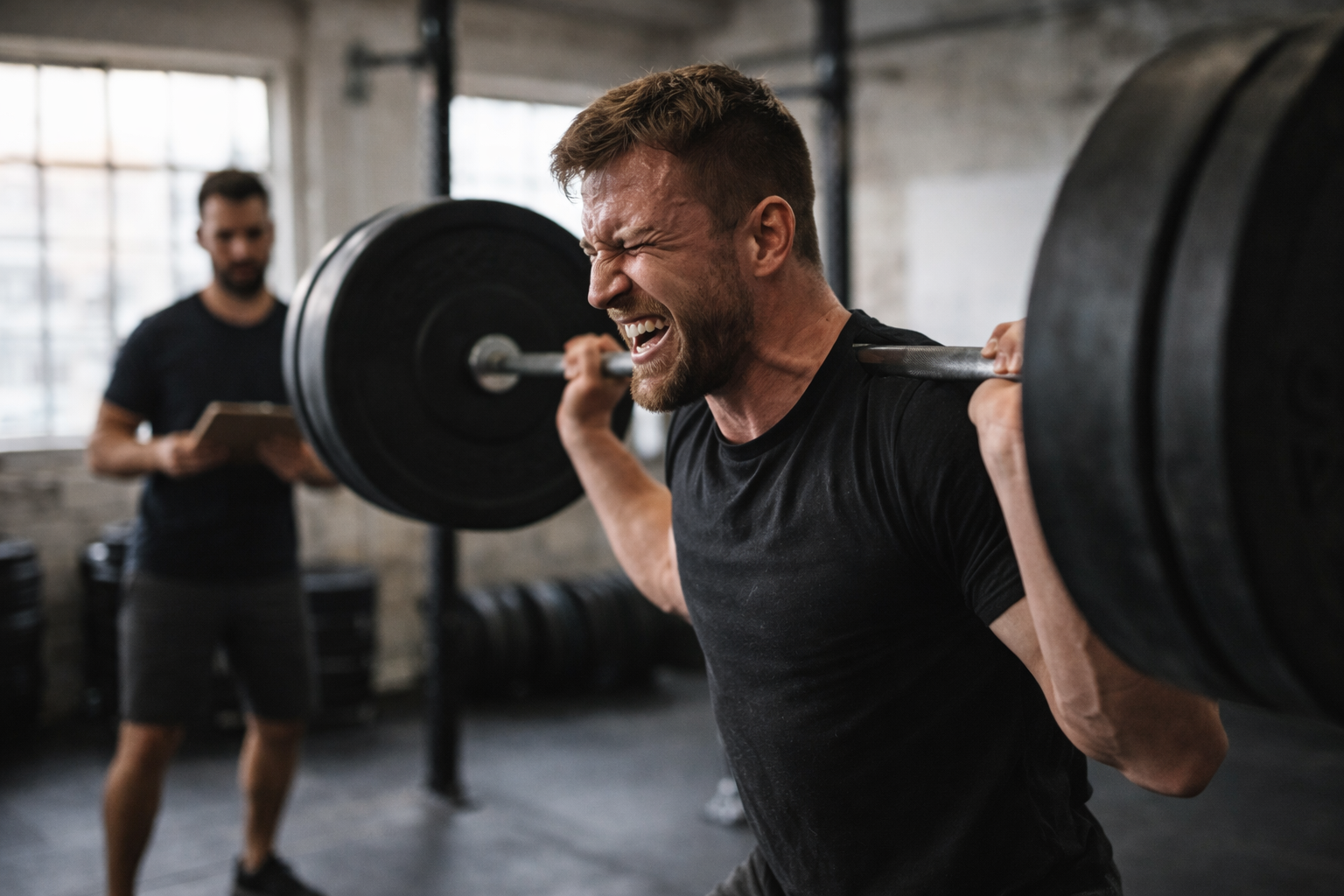
A heavy lift depends heavily on your ability to produce a large amount of force. A sprint requires you to produce power quickly and sustain a very high output for a short period. A longer run requires you to maintain a much lower output for considerably longer.
The same differences show up in our workouts. A three-minute couplet, a fifteen-minute AMRAP, and a forty-minute endurance piece may all leave you breathing hard, but they don't place the same demands on your body.
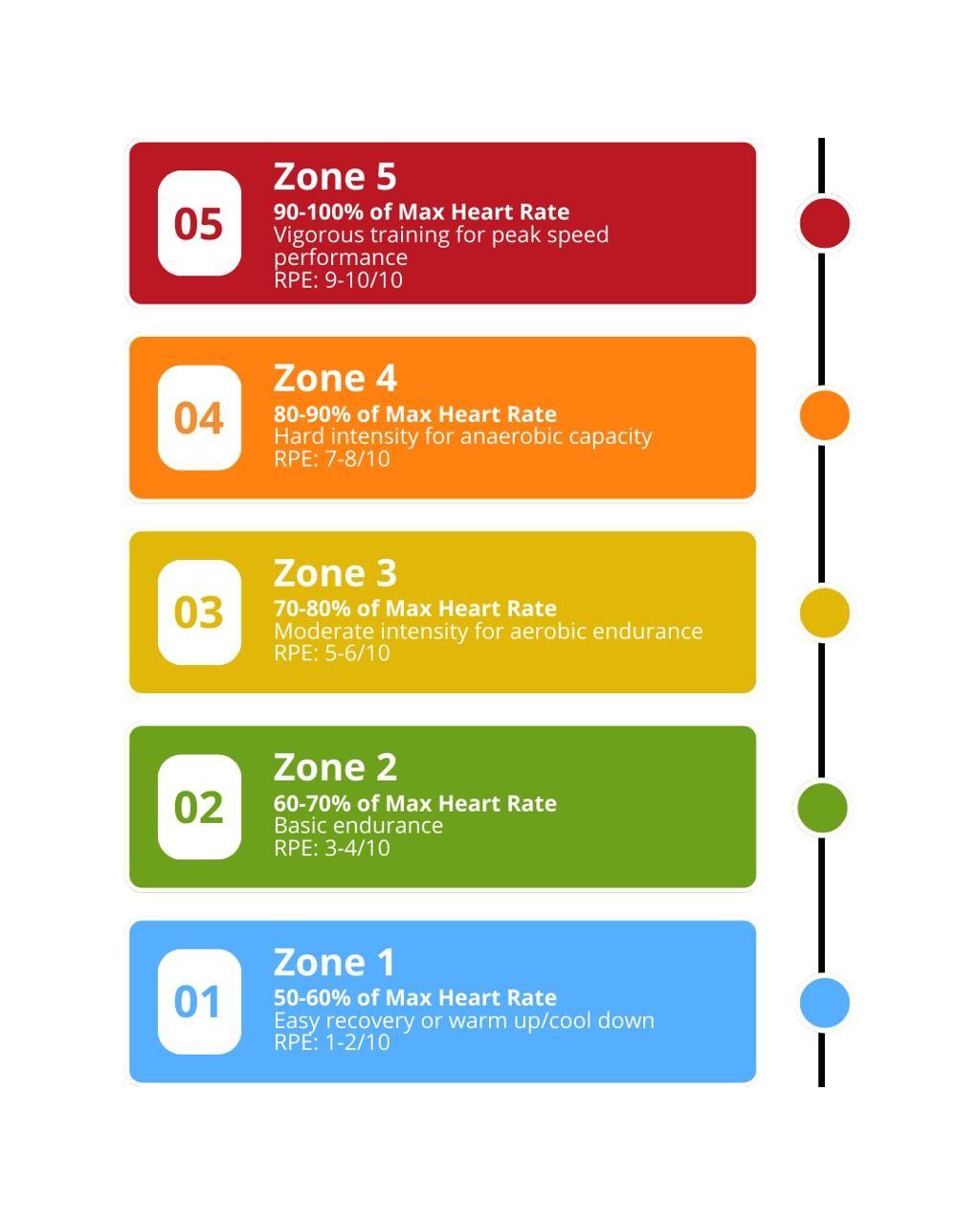
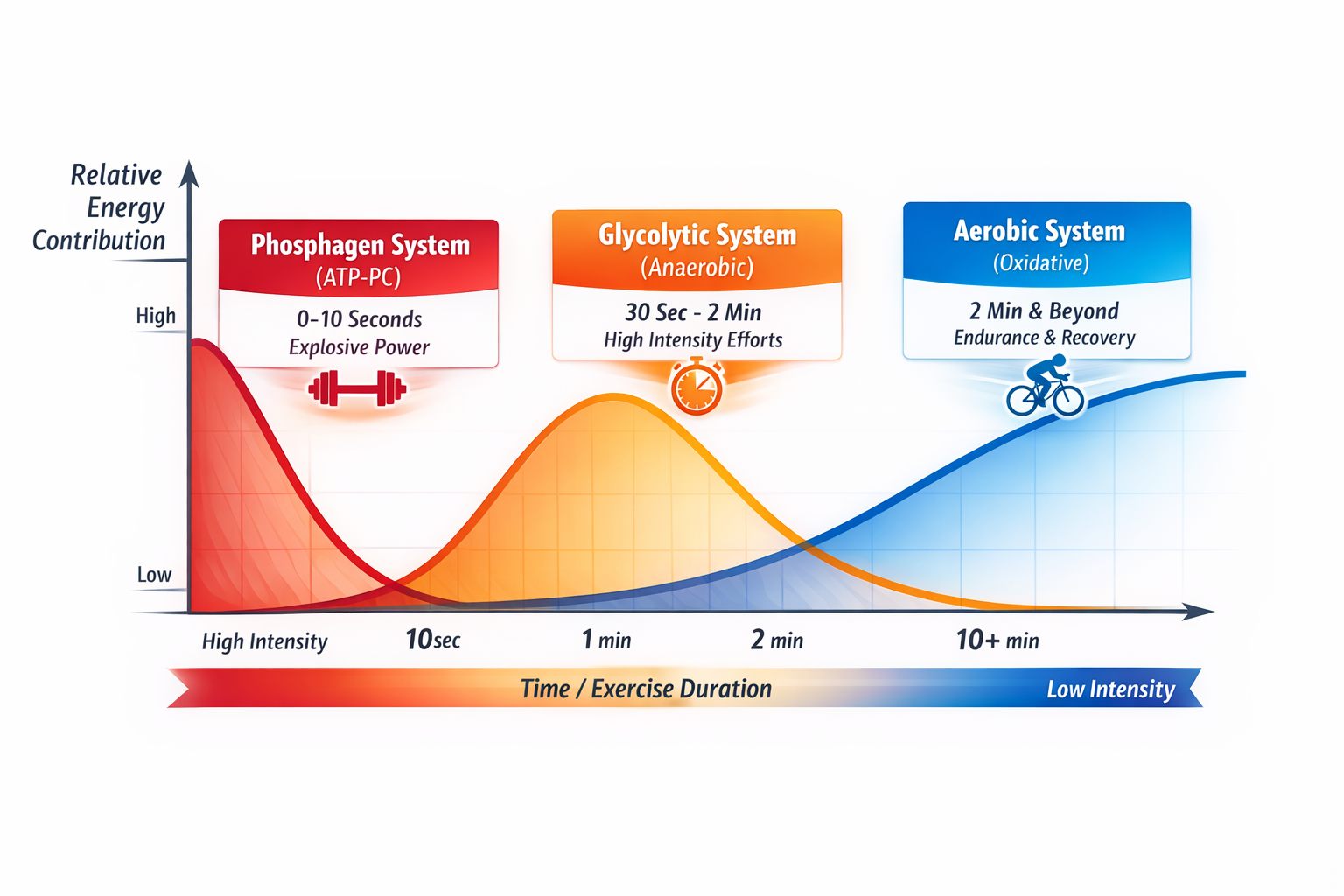
We often describe these differences in terms of energy systems. Without getting too far into exercise physiology, your body has several overlapping ways of producing the energy needed for movement. Some are especially useful for very short, powerful efforts. Others support harder work lasting several minutes, while aerobic metabolism becomes increasingly important as the duration of an effort increases.
These systems don't operate independently. They're all working to some degree whenever you exercise. What changes is how much each contributes depending on the intensity and duration of the work.
If we want broad fitness, we need exposure to different demands rather than spending all our time training at one pace.
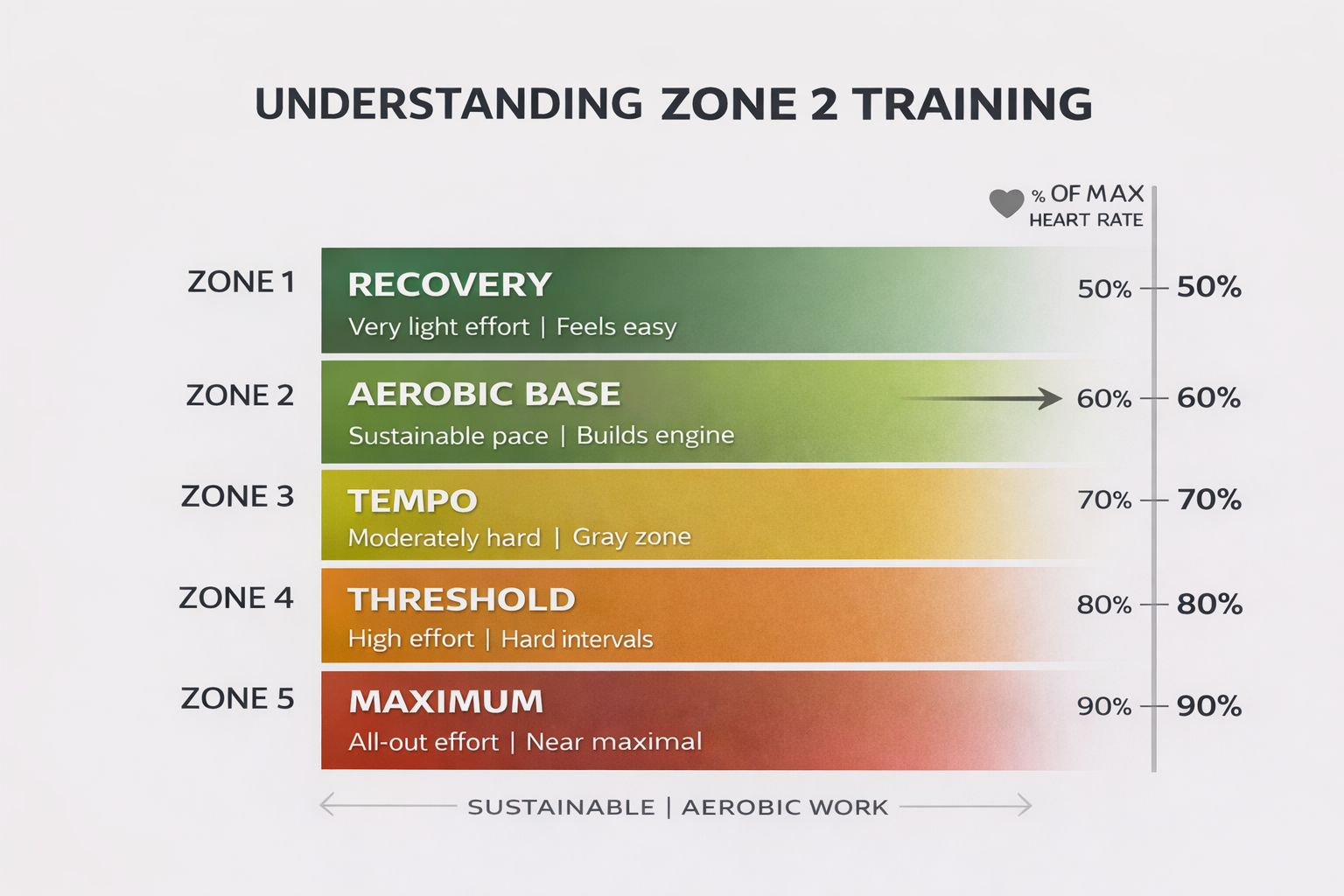
Longer aerobic work sometimes gets treated as the less exciting cousin of traditional CrossFit workouts. There's usually no dramatic finish, the weights aren't particularly impressive, and you might spend twenty minutes moving at a pace where you can still form complete sentences.
But developing aerobic capacity is useful for far more than running long distances.
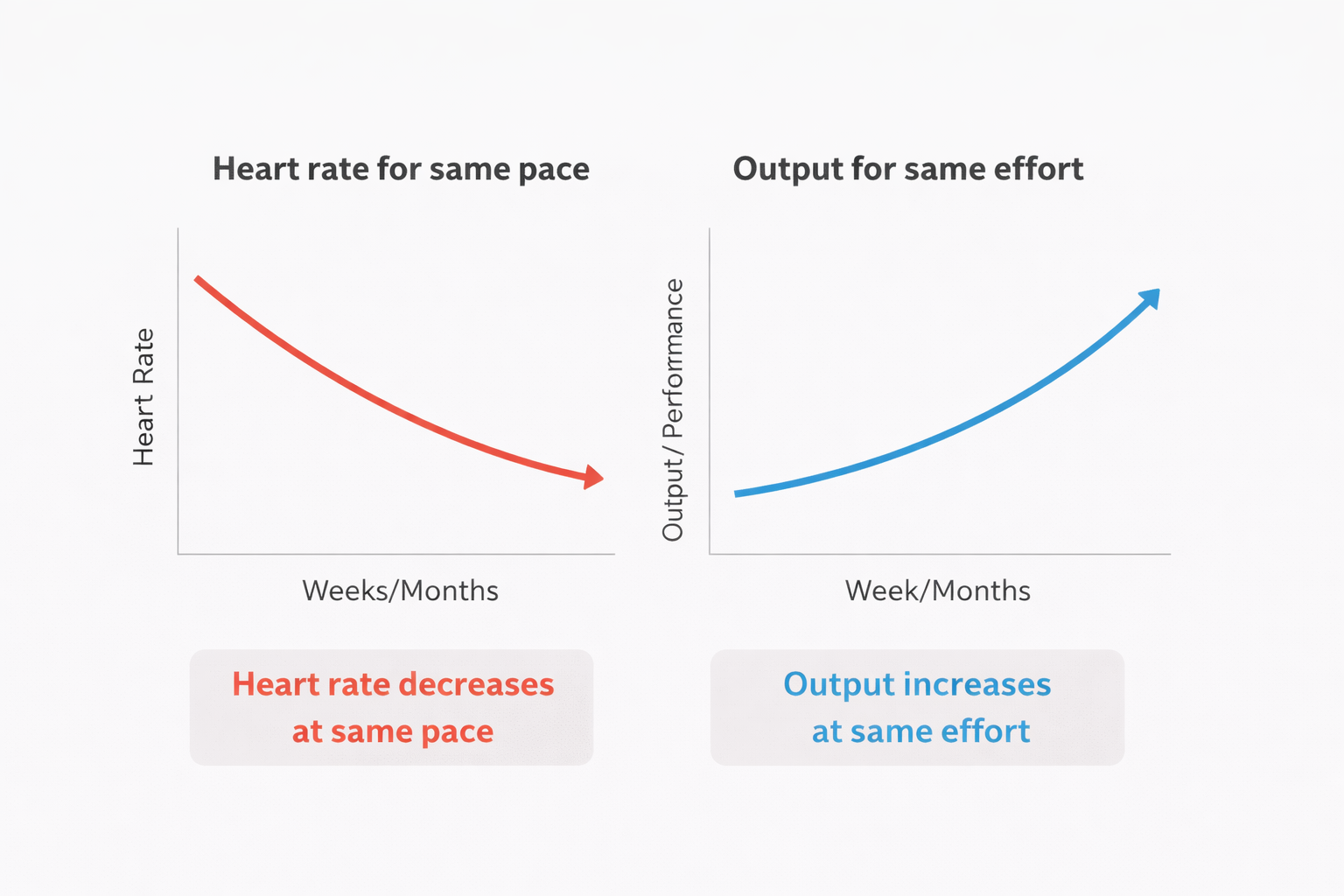
Your aerobic system helps support sustained activity and recovery between harder efforts. It's involved in how efficiently you recover between intervals, between sets, and during the lower-intensity portions of mixed-modal workouts.
Consider a workout with several rounds of rowing, pull-ups, and moderately heavy barbell work. Your strength determines whether you can handle the barbell. Your gymnastics ability influences how efficiently you perform the pull-ups. But your aerobic fitness plays a substantial role in how well you recover while transitioning between movements and how consistently you can maintain your output.
This is one reason we continue including longer conditioning pieces even when strength or power is the primary emphasis. We're maintaining and developing a quality that supports a lot of the other things we do.
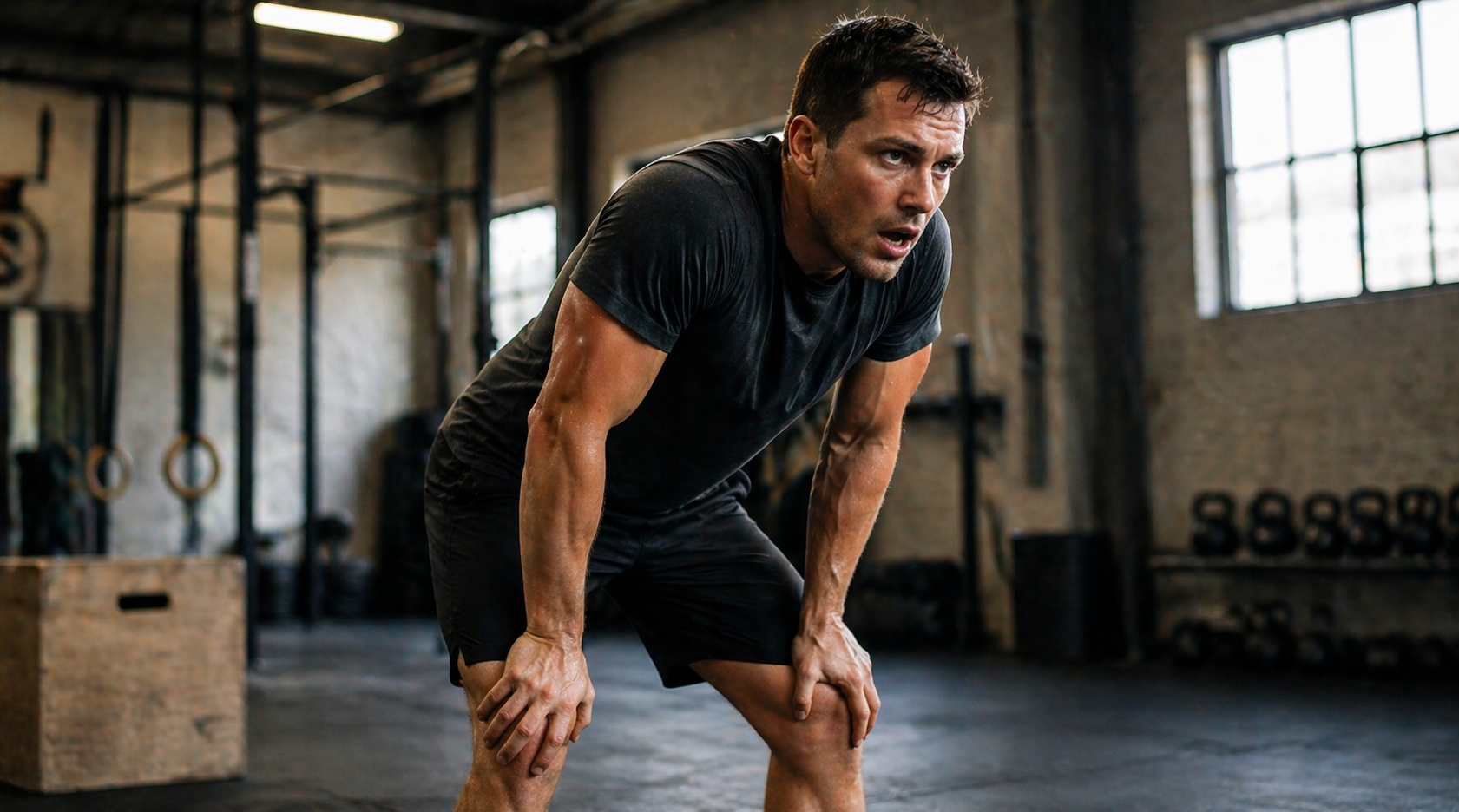
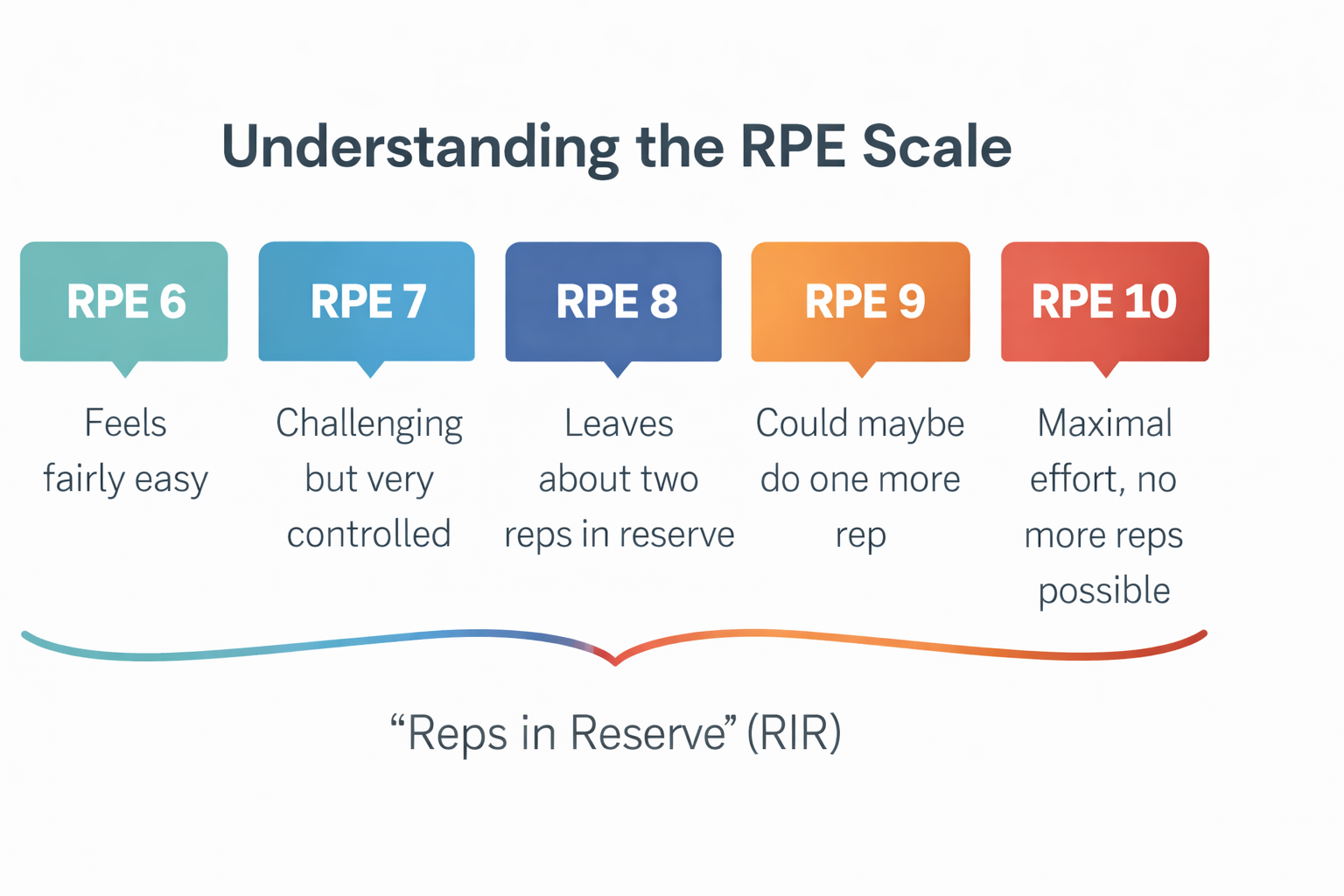
And while longer workouts can certainly be difficult, they don't always need to be performed at maximum effort. Sometimes the purpose is simply to accumulate sustained, controlled work without turning every minute into a fight for survival.
At the other end of the spectrum, we have workouts where the goal is to produce a lot of power in a relatively short amount of time.
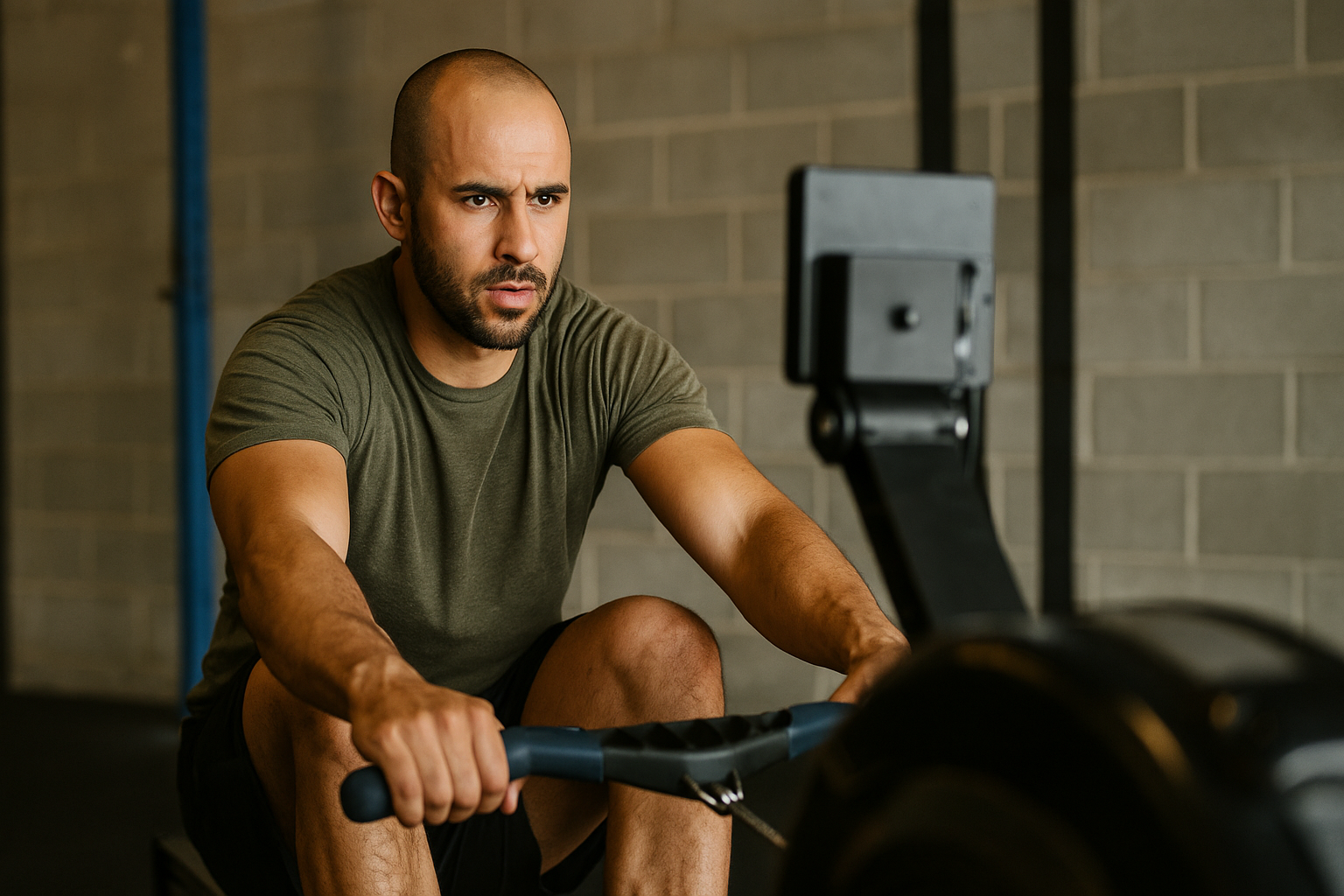
These might involve short rowing or bike intervals, sprints, explosive lifts, or brief workouts where the intensity is high enough that maintaining it for much longer would be unrealistic.
This type of training develops our ability to produce and repeat higher outputs. It also gives us opportunities to practice moving quickly while maintaining enough control to keep the work productive.
But these sessions need to be programmed and approached differently from longer conditioning.
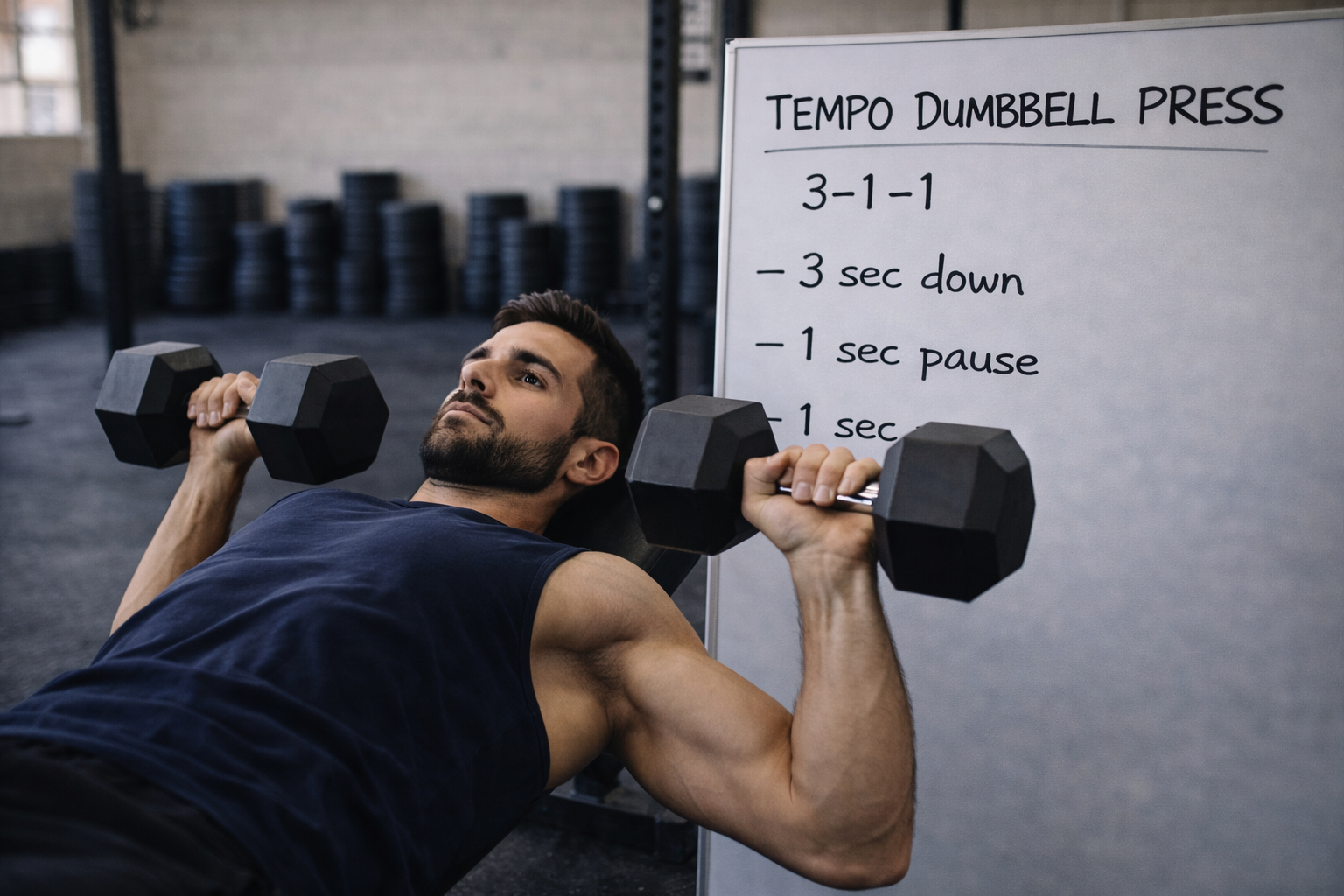
If we're trying to develop high power output, the quality of the effort matters. Rest periods may need to be longer, and the total amount of work may be relatively small. Turning every short interval into a long, exhausting workout can change the effect we're trying to create.
That's part of what we discussed last week when we talked about quality before quantity. More work isn't necessarily better if the additional work prevents us from training the quality we're targeting.
Conditioning is only part of the picture. We also need to maintain the strength and movement skills we've developed.
This is where programming becomes a balancing act. We have limited training time, and there are only so many things we can reasonably fit into a week without turning every class into a two-hour event.
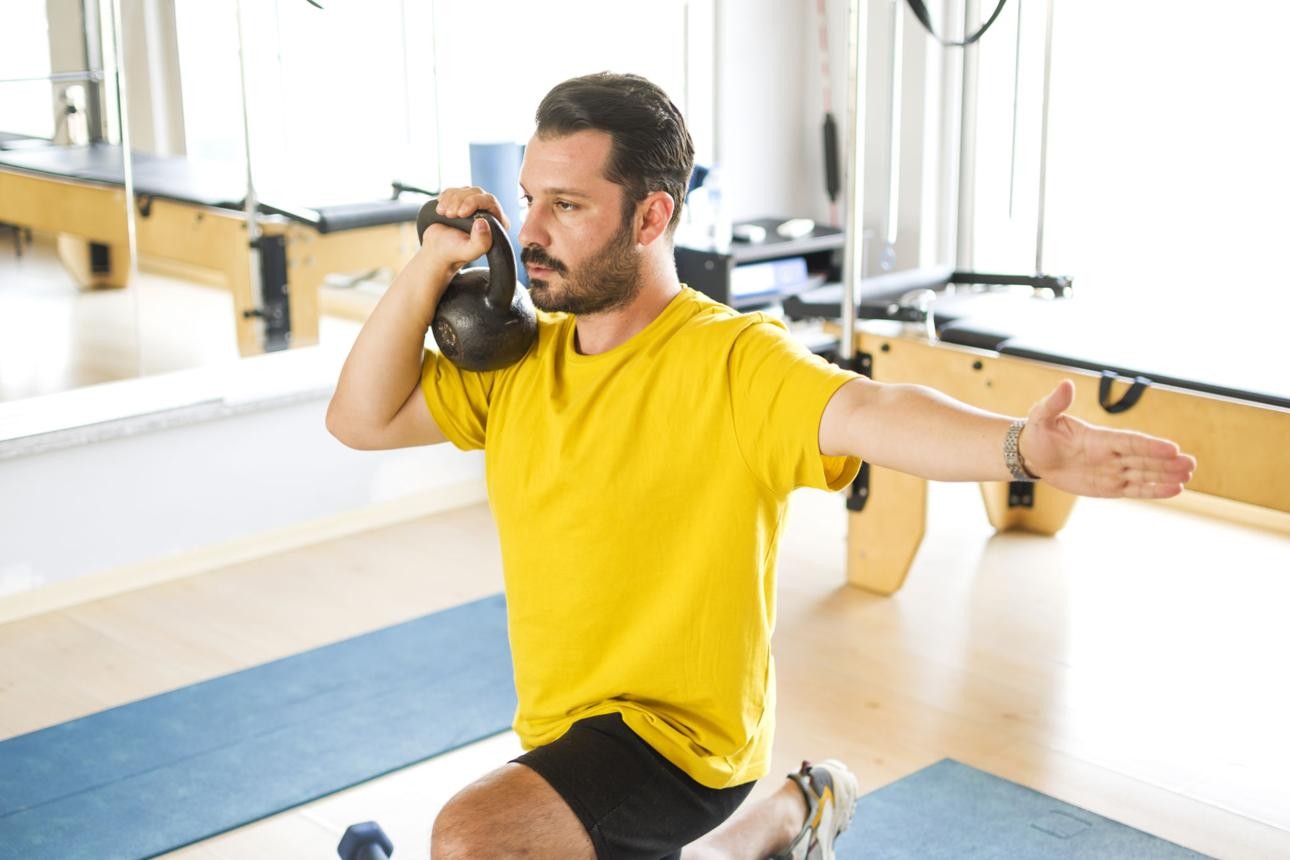
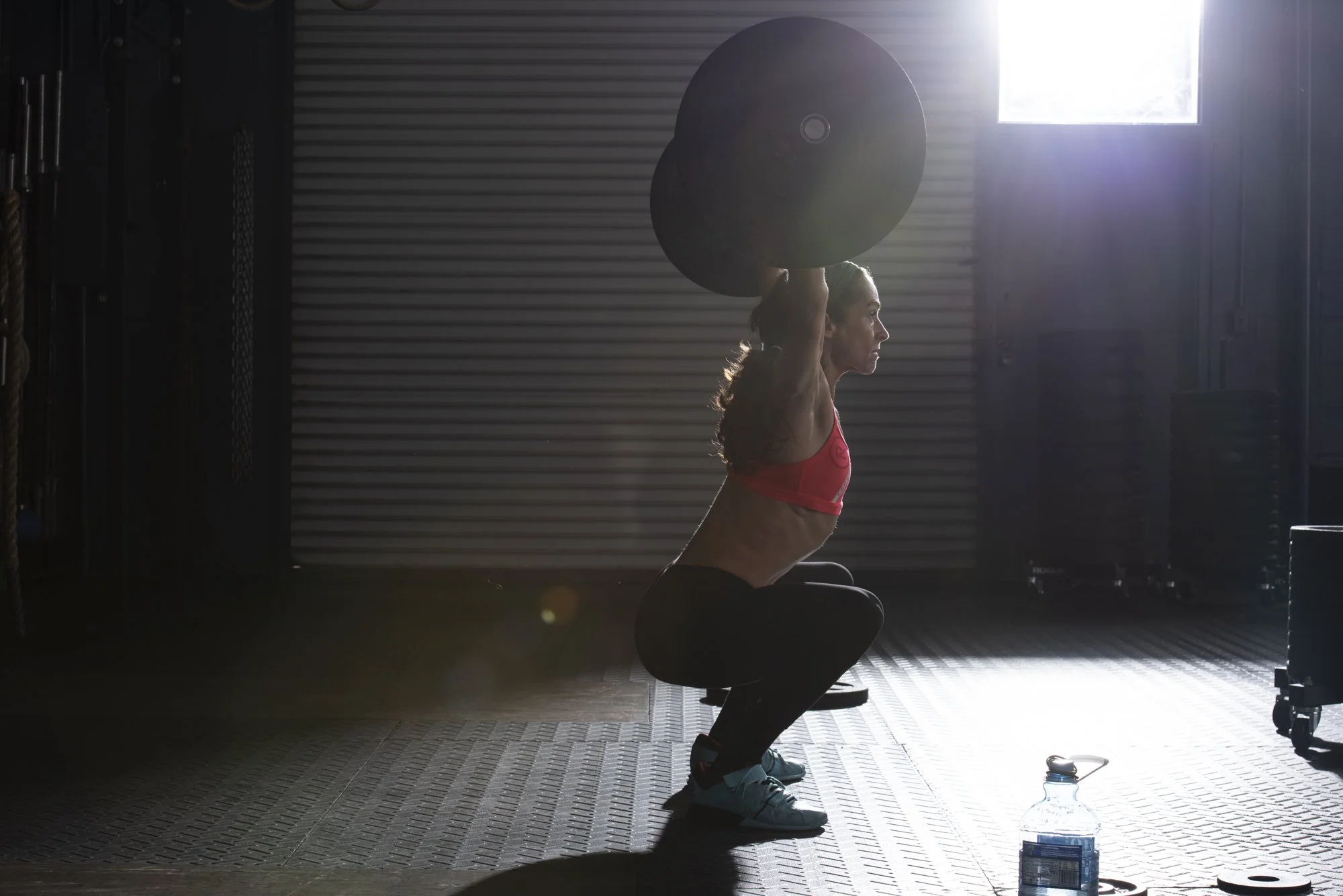
When we're emphasizing Olympic lifting, for example, we need enough exposure to the snatch, clean, jerk, and their supporting movements to improve. But we also want to maintain the foundational strength we spent months building. We still need opportunities to practice gymnastics, and we don't want our conditioning to disappear while we're focused on the barbell.
That doesn't mean every quality needs equal attention every week.
Some qualities require more frequent practice to improve, particularly technical movements where timing and coordination matter. Others can often be maintained with less work than it took to develop them.
The challenge is finding enough room for the things we're trying to improve while keeping the rest of our fitness reasonably intact.
That's why a focused training cycle should change the balance of the program rather than replace everything else in it.
If strength, power, endurance, and skill are all important, it might seem reasonable to train all of them as much as possible.
Unfortunately, our bodies don't work quite that way.
Training creates stress, and different types of training can compete for time, energy, and recovery. Trying to lift heavy, sprint hard, practice difficult gymnastics, and complete a long conditioning workout every day would make it difficult to give any one of those qualities the attention it deserves.
It would also make recovering between sessions a problem pretty quickly.
This is where having a plan matters. We can organize training so that different qualities receive appropriate attention throughout the week, then shift that balance over longer periods as our priorities change.
A coach also has to consider what an individual athlete actually needs. Someone with a strong aerobic base but limited strength may benefit from a different emphasis than someone who can lift plenty of weight but struggles to maintain a moderate pace for fifteen minutes.
Both can follow the same overall program while making adjustments that better address their individual needs.
The goal isn't to cram every possible training effect into every workout. It's to make sure those effects are being developed over time.
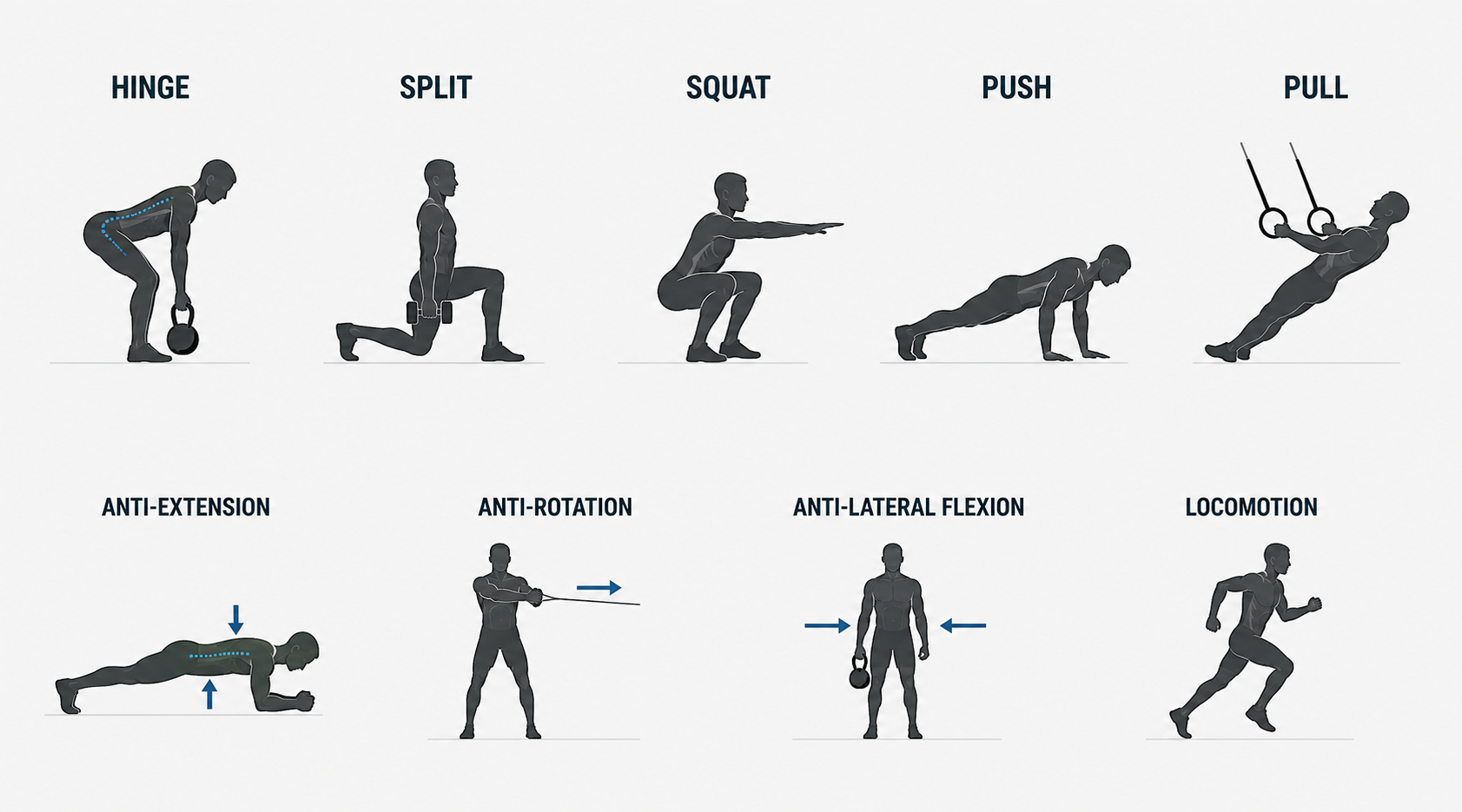
One of the appealing things about CrossFit is the idea of being prepared for a wide range of physical demands. We want to be able to lift heavy things, move our own body weight, sprint, carry, climb, and keep moving when the task takes longer than expected.
That doesn't require being equally good at every one of those things.
Most of us have strengths and weaknesses. Some people are naturally better at endurance, others take to strength training quickly, and some seem to learn gymnastics movements while the rest of us are still trying to figure out where our feet are supposed to go.
Those differences are normal. They also give us useful information about where our training might need more attention.
The point of developing broad fitness isn't to eliminate every weakness or become an elite athlete in every discipline. It's to build enough capacity across different areas that we're not severely limited by any one of them.
Someone who can deadlift twice their body weight but gets winded climbing a few flights of stairs has room to improve. So does someone who can run for hours but struggles to pick up a moderately heavy object.
Neither person needs to abandon what they're already good at. They may just need to spend more time developing the qualities that are holding them back.
During our current Olympic lifting emphasis, we're spending more time developing speed, power, and technical proficiency with the barbell. That work builds on the strength we developed earlier in the year, but it doesn't represent the entirety of our training.
We're still including heavier foundational lifts, gymnastics practice, longer aerobic work, and shorter mixed-modal conditioning. Some of those qualities are being developed while others are receiving enough attention to maintain what we've already built.
The balance will change again as we move into the next phase of programming.
That's intentional, and it's also why individual workouts don't always tell you much about the overall direction of the program. Looking at one Tuesday might make it seem like we're focused on endurance. Friday might suggest we're primarily a weightlifting gym. Another day could be almost entirely gymnastics.
You have to look at the weeks and months together to see how those pieces fit.
And when you're in class, you don't need to worry about developing every part of your fitness in that one hour. You need to understand what we're working on that day, give it the appropriate effort, and allow the rest of the program to do its job.