Start With Why: Training vs. Exercise, and Why It Matters
Exercise and training aren't the same thing. Here's why every workout at VCF should connect to a bigger goal, not just leave you tired.
By
August 31, 2026
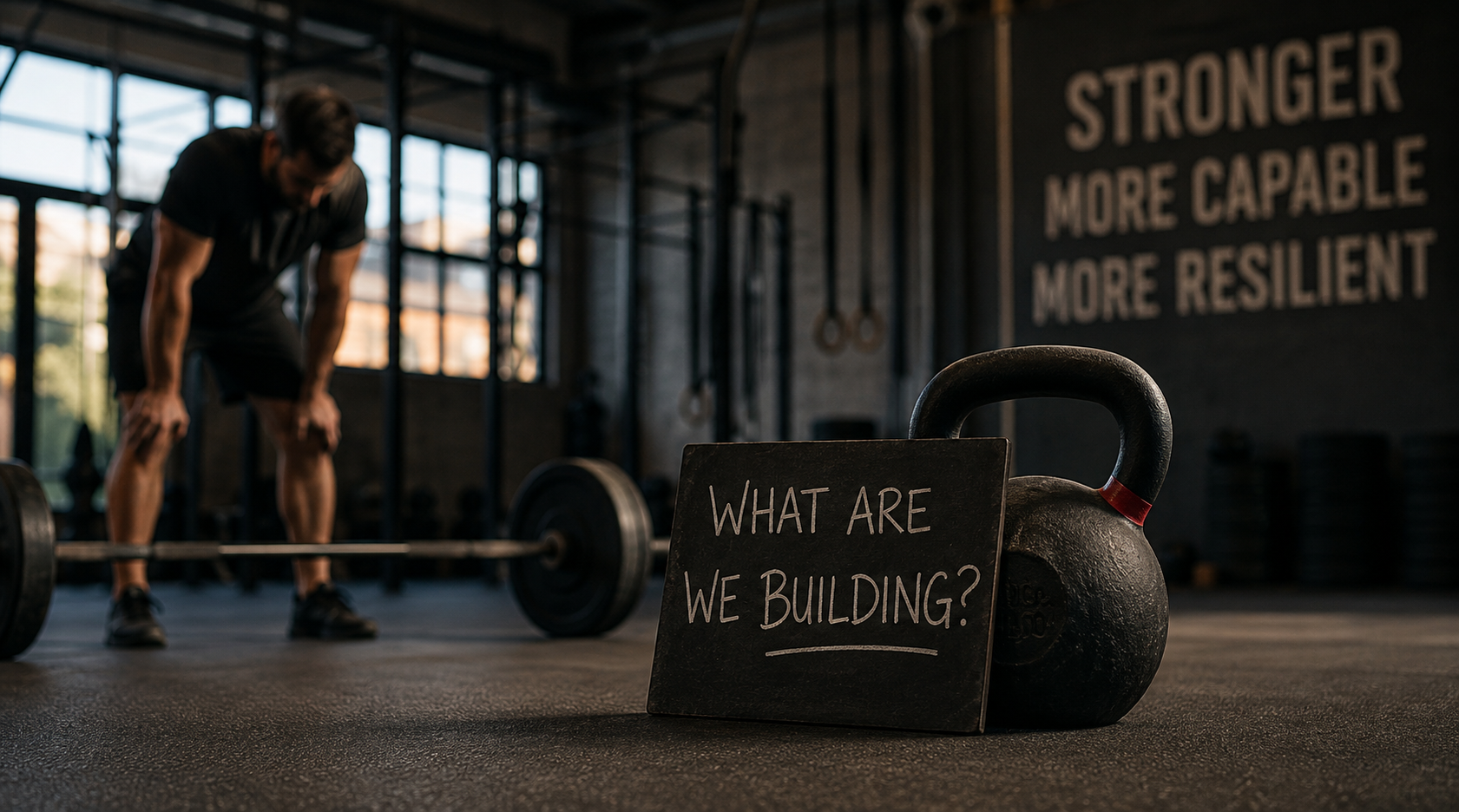
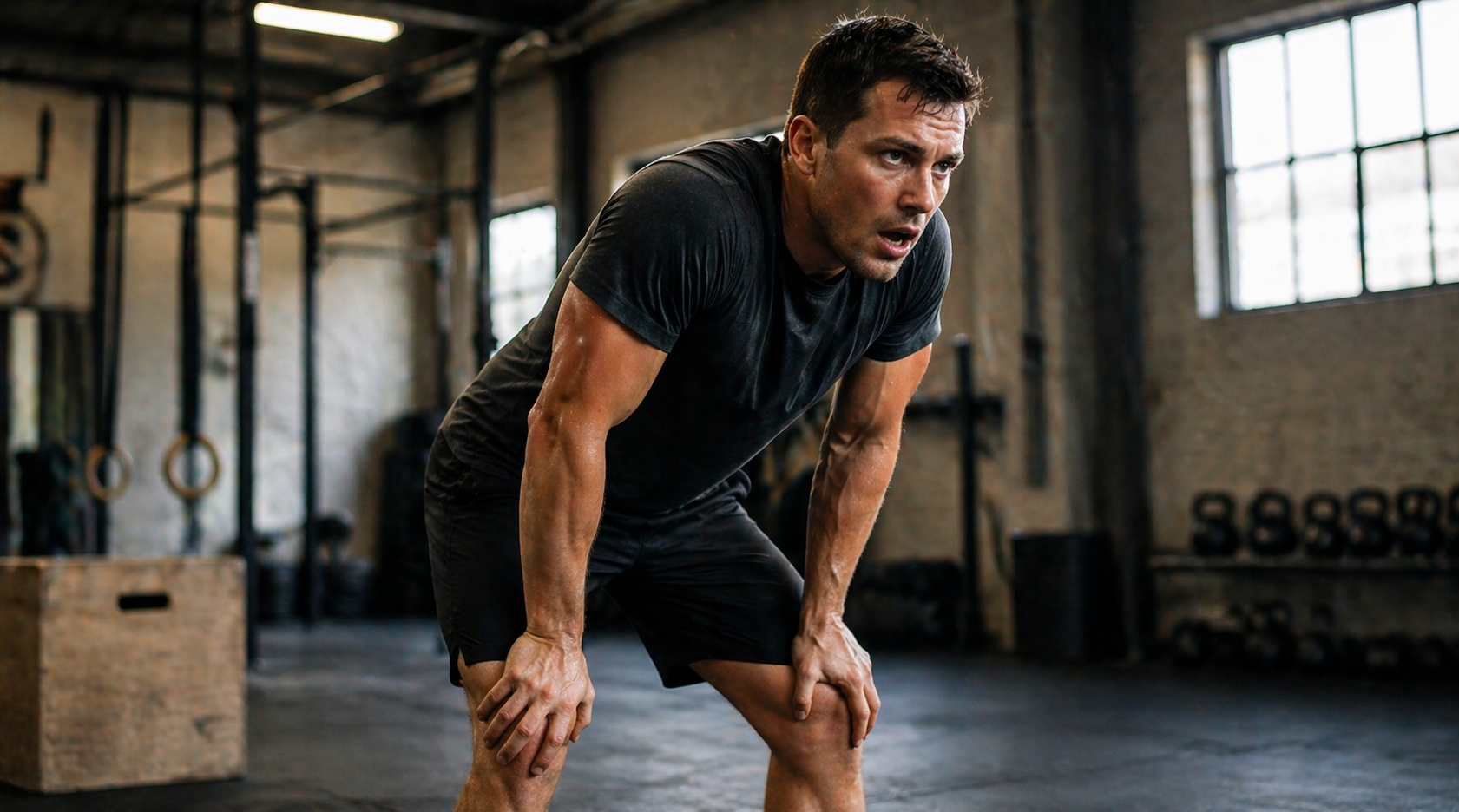
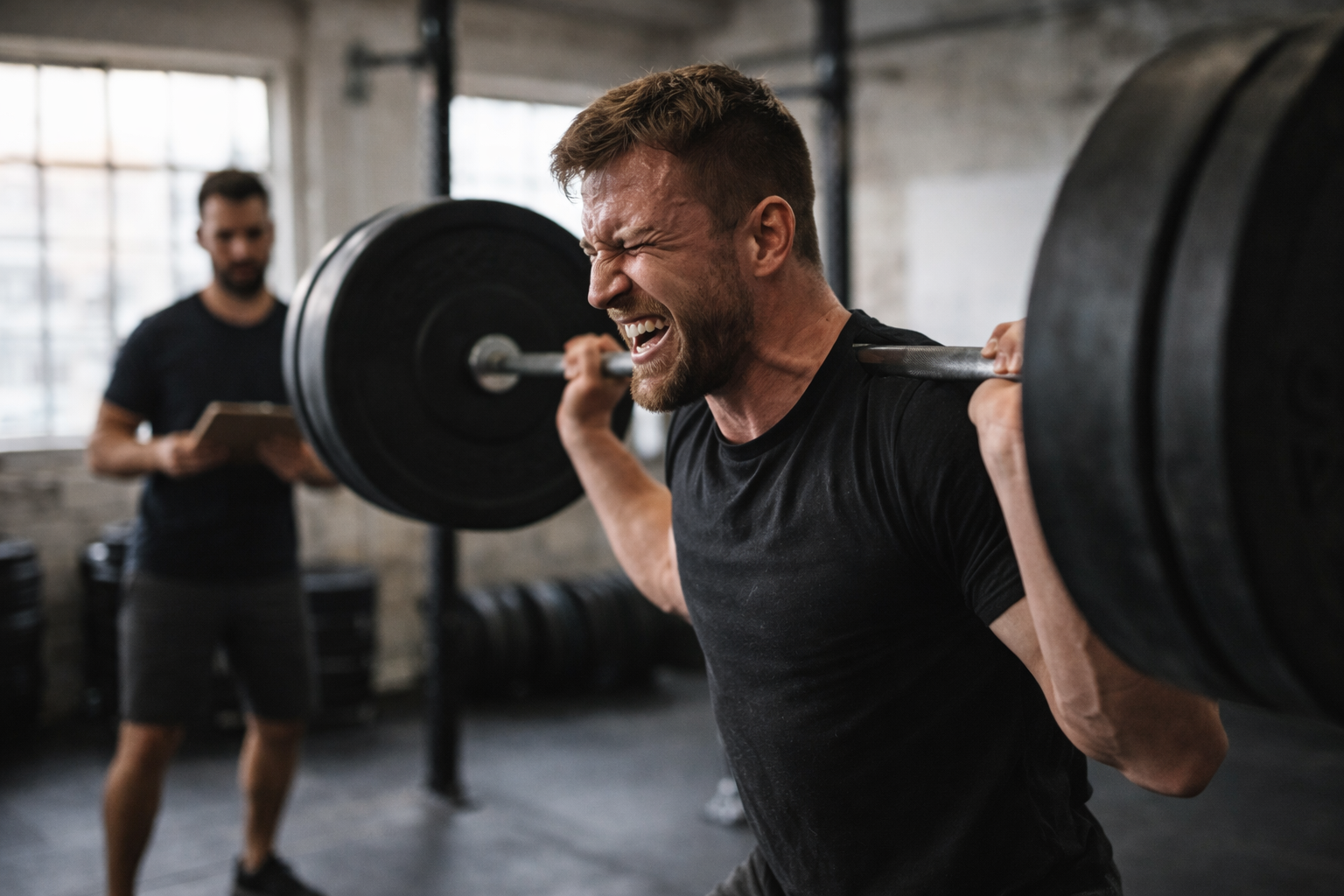
Most people can walk into a gym and do something hard. You can find a workout online, load up a barbell, run until you're tired, do enough burpees to regret your decisions, or look at yesterday's leaderboard and try to beat somebody else's score. You can leave sweaty, exhausted, and reasonably confident that you exercised. But being tired isn't the same thing as getting better.
Before deciding what we're going to do in the gym, it helps to ask a much more important question: why are we doing it? That question sits underneath almost every decision we make about training.
There's nothing wrong with exercising because you enjoy it. Moving your body is good for you, burning some calories is fine, and getting sweaty can feel great. Sometimes showing up and doing something is exactly what you need. But training is different. It implies that what you're doing today is connected to something you want to be capable of tomorrow.
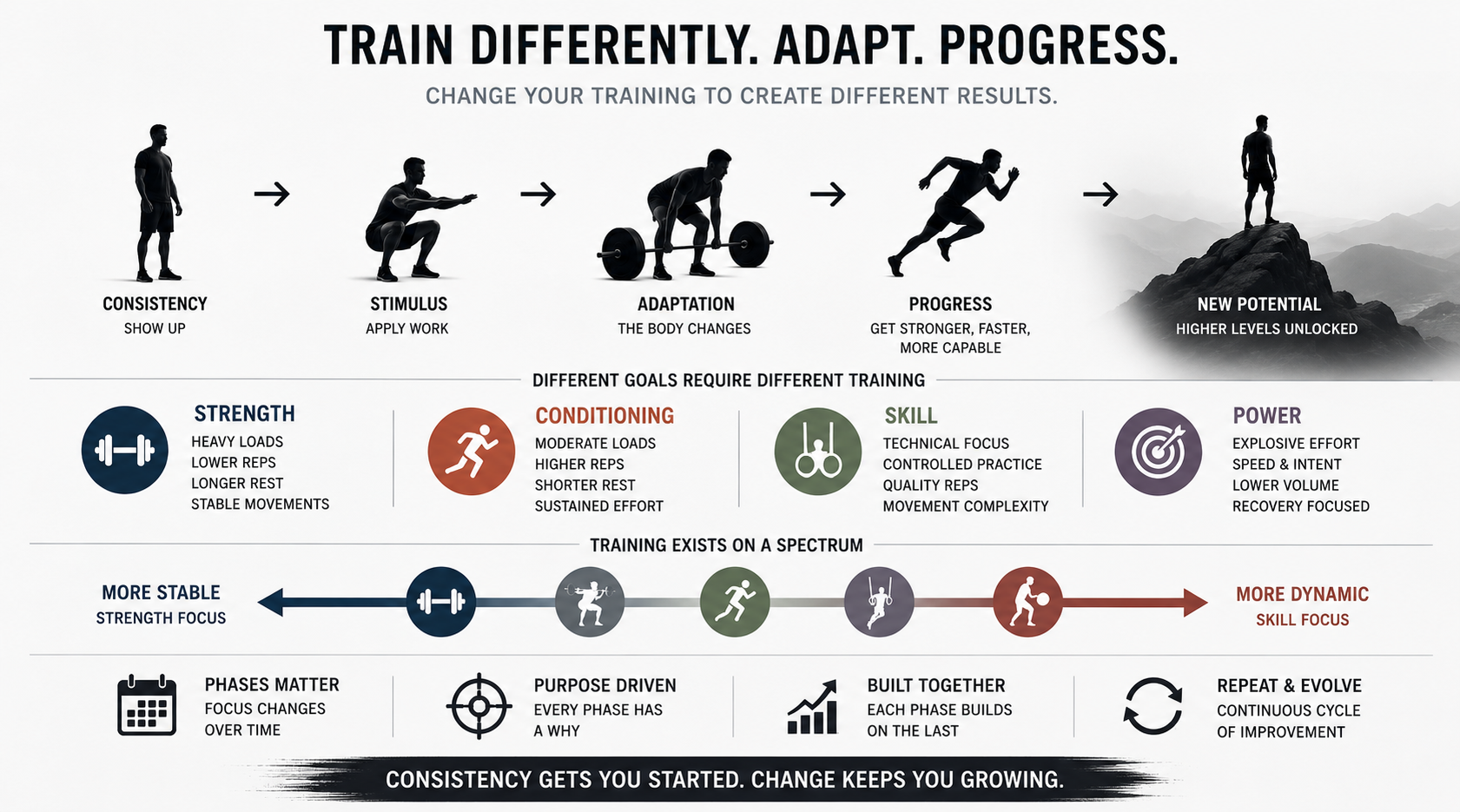
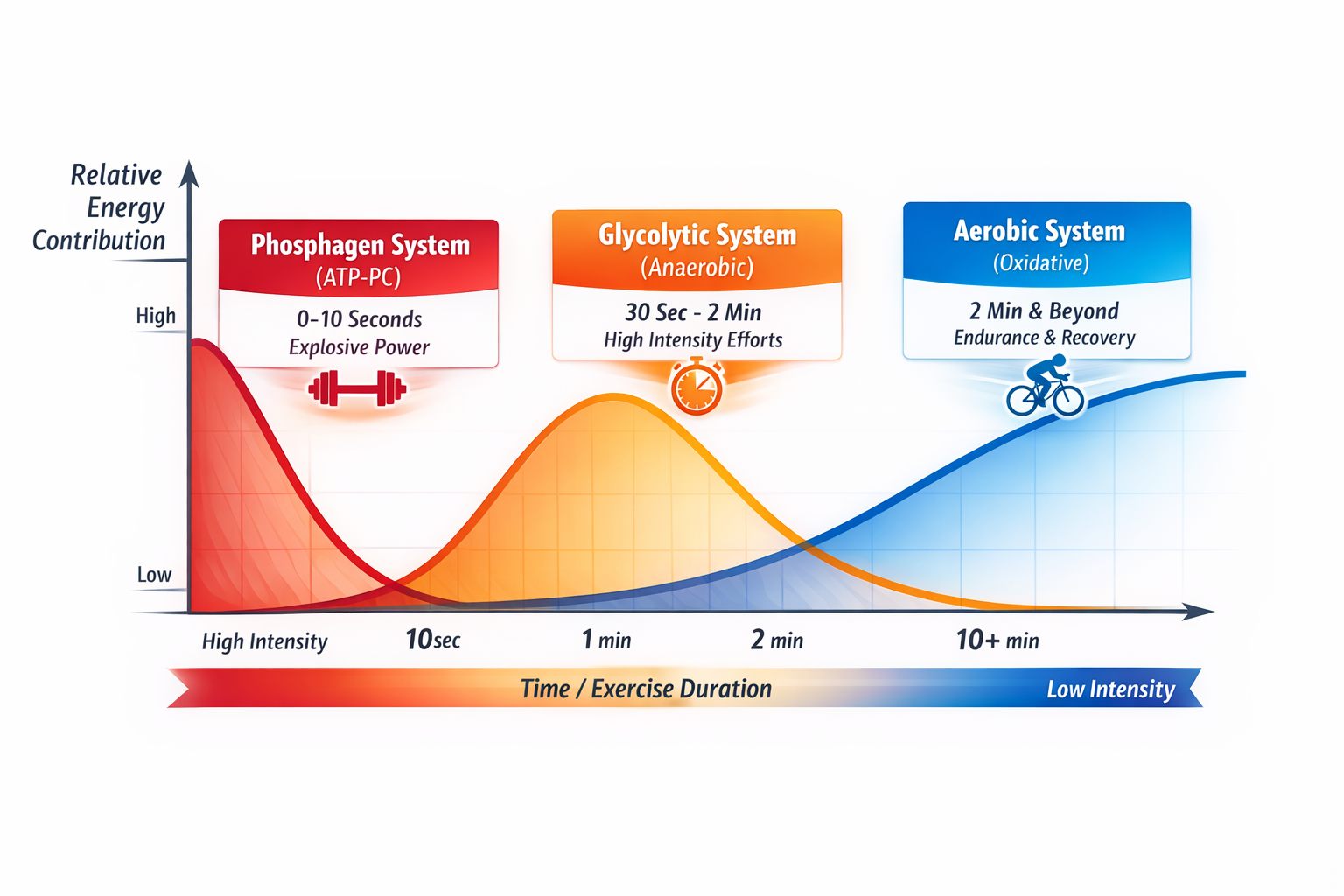
If we want to get stronger, we need enough exposure to strength work for our bodies to adapt. If we want to develop a skill, we need opportunities to practice it. If we want better endurance, we need to spend time developing the systems that support it. And if we want broad, well-rounded fitness, we need to find a way to develop all of those qualities over time. That last part is where things get complicated.
We want a lot from our fitness: strength, endurance, power, speed, coordination, mobility, balance, skill. We want to lift something heavy, move our own body well, sprint when we need to, and keep moving for a long time when the situation calls for it. We want our fitness to help us inside the gym, but more importantly, we want it to give us more capacity outside of it. You can't maximize all of those qualities every day, so training requires choices.
Good programming isn't just a collection of hard workouts. There should be a reason Monday looks different from Tuesday, a reason we sometimes lift before conditioning and other times don't, a reason one workout lasts six minutes and another lasts thirty, and a reason we revisit certain movements week after week while others show up less often. Some periods of training emphasize one quality more than another, and that's on purpose too. Somebody has to be making those calls, and making them on purpose, week after week.
That doesn't mean every detail needs some complicated scientific explanation. Training doesn't have to be complicated to be effective, but it does need to be intentional. The question shouldn't simply be "is this hard?" It should be "what are we trying to accomplish?" Those are very different questions.
A workout can absolutely destroy you without doing a particularly good job of developing the quality you intended to train. You can add weight, reps, rounds, movements, or extra work until almost anything becomes difficult. Difficulty is easy to create. Productive difficulty takes a little more thought.
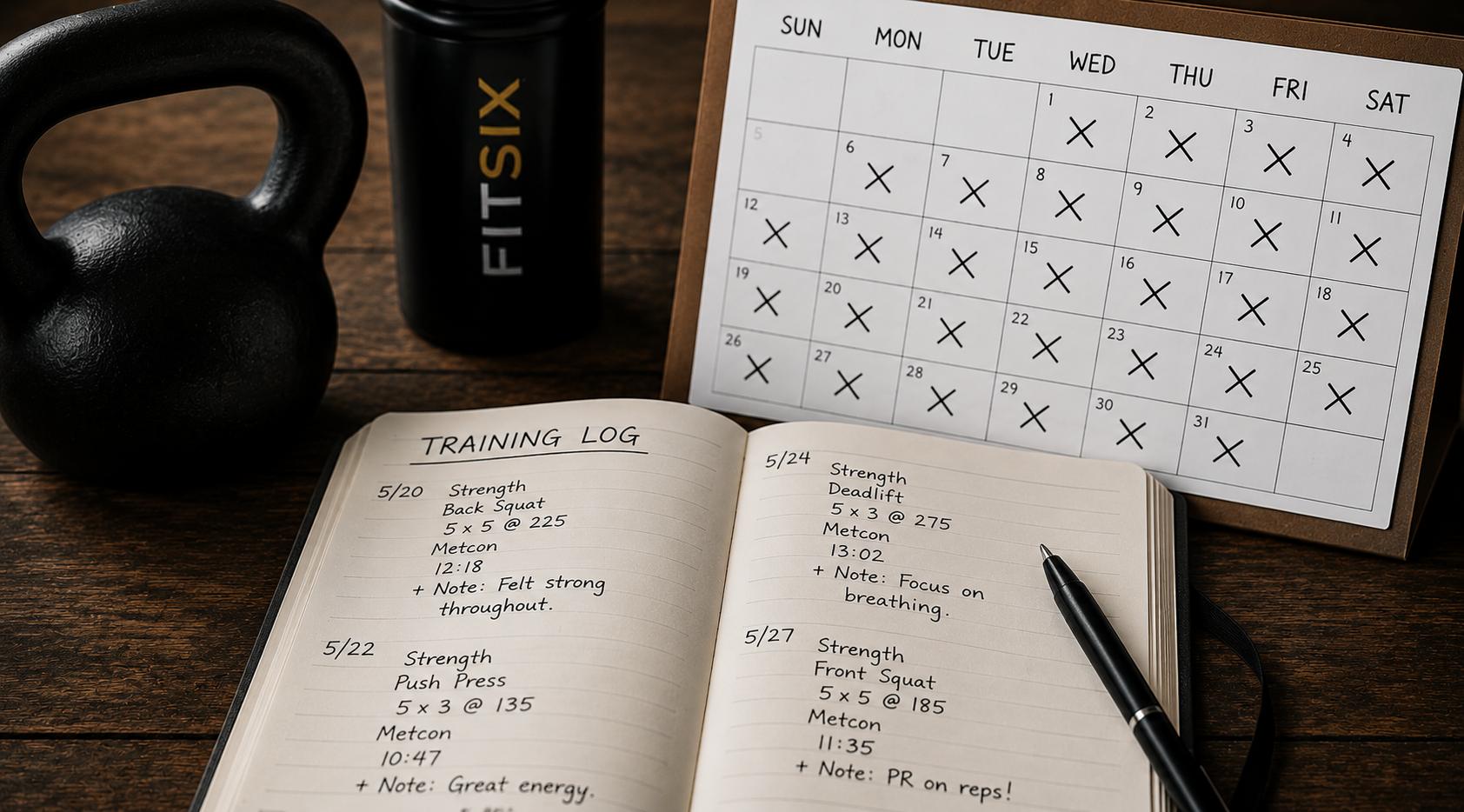
CrossFit gives us a lot of ways to measure what we do: times, rounds, reps, loads, calories, distances, percentages, PRs, leaderboards. Those measurements are useful. They give us feedback and let us compare performances and track changes over time. But it's easy to confuse the measurement with the reason we're training.
The goal isn't to win Tuesday. It isn't to burn as many calories as possible in an hour, leave the gym more exhausted than everyone else, or put an Rx next to your name at the expense of what the workout was actually supposed to accomplish. The score tells us something about the training. It isn't the training itself.
Sometimes the right decision is to push harder, use more weight, or move faster. Other times, the better decision is to slow down, reduce the load, practice a movement, rest longer, or stop trying to turn every session into a test. Knowing the difference is part of learning how to train.
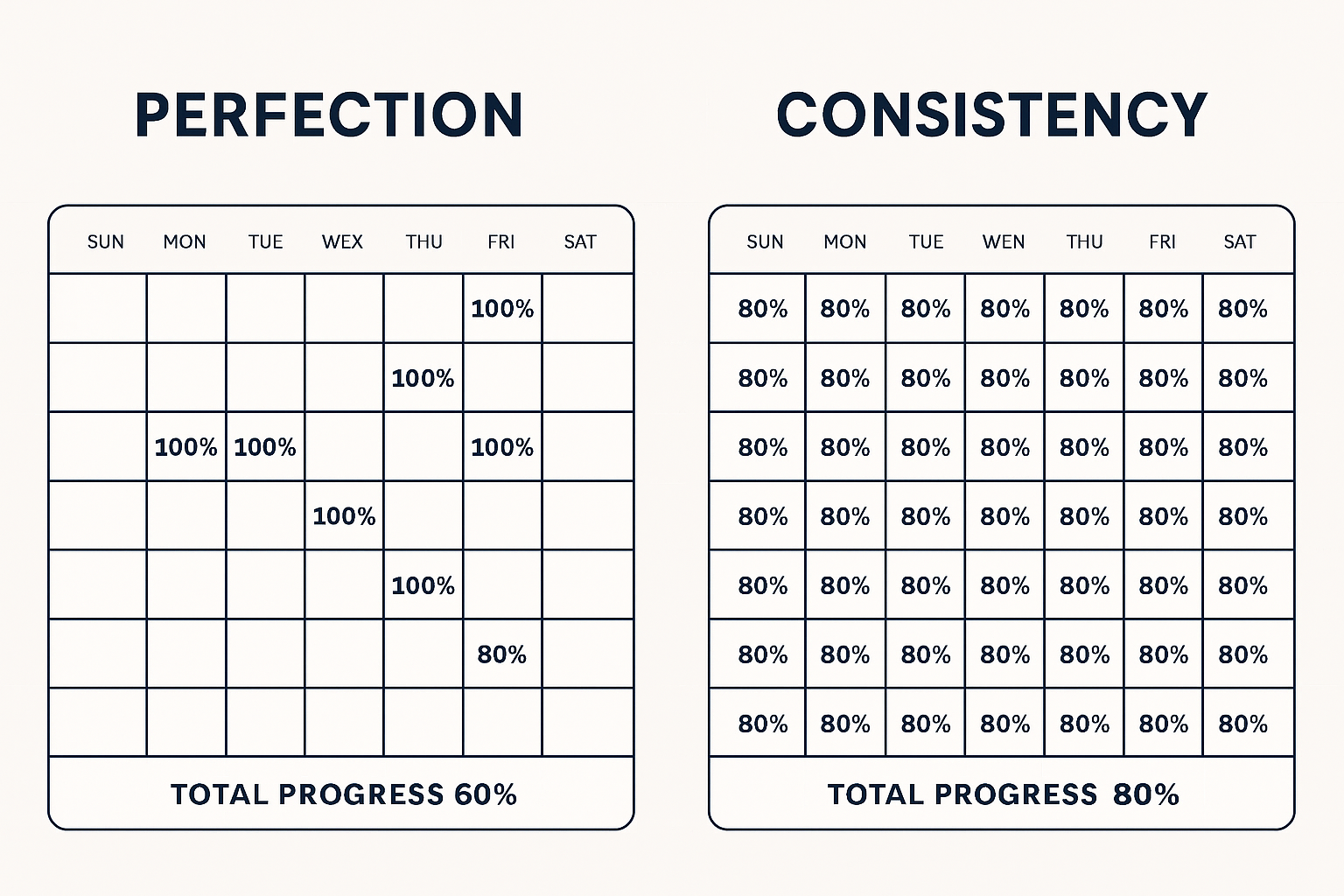
One of the easiest traps in fitness is evaluating every workout in isolation: was it hard enough, did I sweat enough, did I burn enough calories, did I beat my previous score, did I lift more than last time. Those questions can tell us something about a single day, but fitness isn't built in a single day. The better question is what happens when we stack hundreds of training days together.
A great workout matters much less than months and years of consistent, productive training. Once we start thinking on that scale, our decisions change. We don't need to prove our fitness every time we walk through the door. We need to give our bodies reasons to adapt, enough recovery to make those adaptations, and enough consistency for those small changes to accumulate.
That means some days will feel spectacular and some won't. Some days you'll set a PR, other days you'll practice at 60 percent. Sometimes you'll spend an hour developing strength, sometimes you'll breathe hard for thirty minutes, sometimes you'll spend fifteen minutes working on a skill you're still nowhere close to mastering. None of those sessions tells the whole story. They're pieces of something much larger.
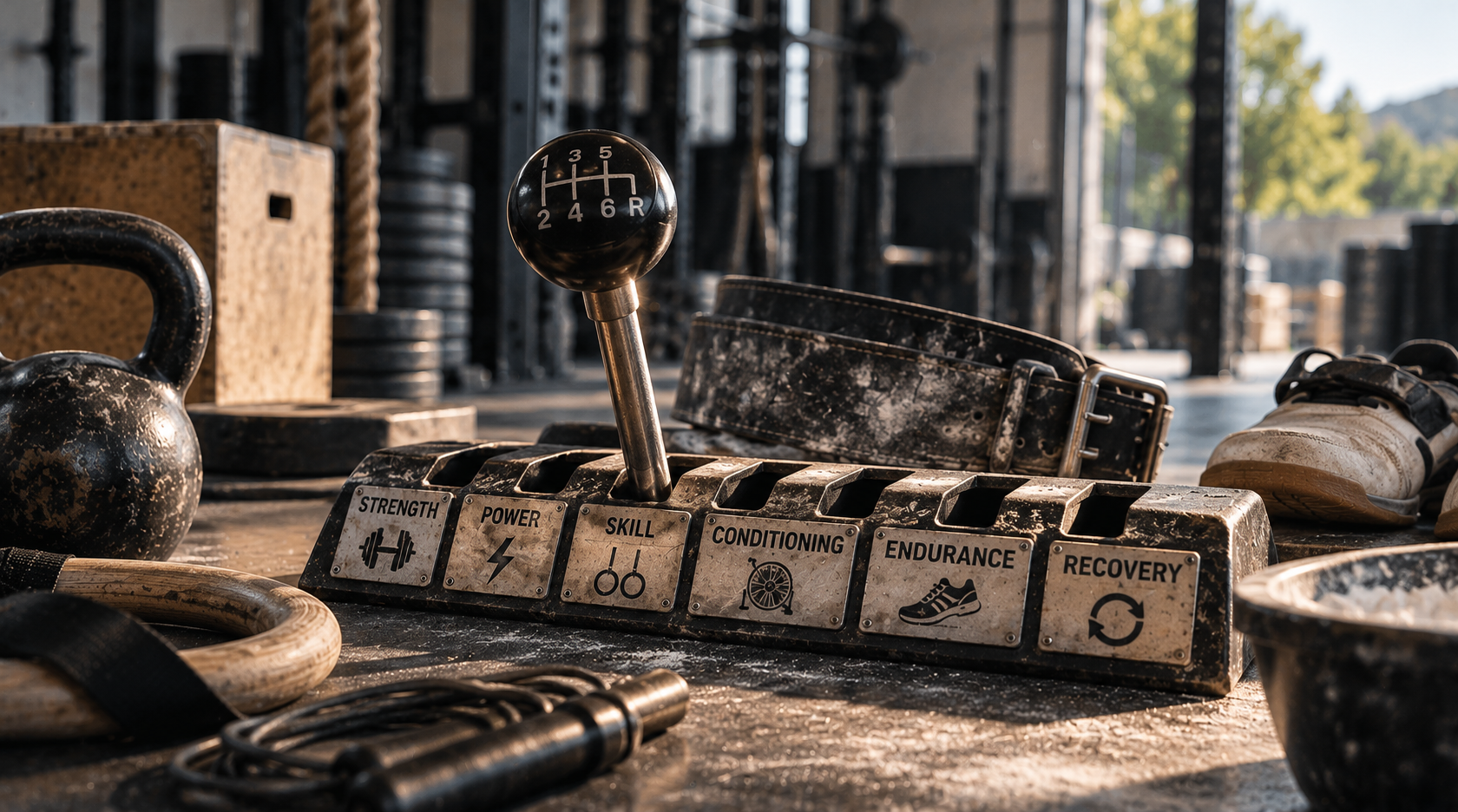
This is ultimately what we mean when we talk about BUILD at VCF. We're not trying to collect the hardest possible workouts. We're trying to build something. Sometimes that means spending more time developing strength, sometimes it means gymnastics, conditioning, power, skill, or endurance. We can emphasize one quality without forgetting about everything else, and over enough time those different periods of emphasis start fitting together.
The same idea applies beyond any individual programming cycle. Your training should be helping you build a body that's stronger, more capable, and more resilient than it was before. It should give you more options, not fewer, and make the things you enjoy doing easier to keep doing for a long time.
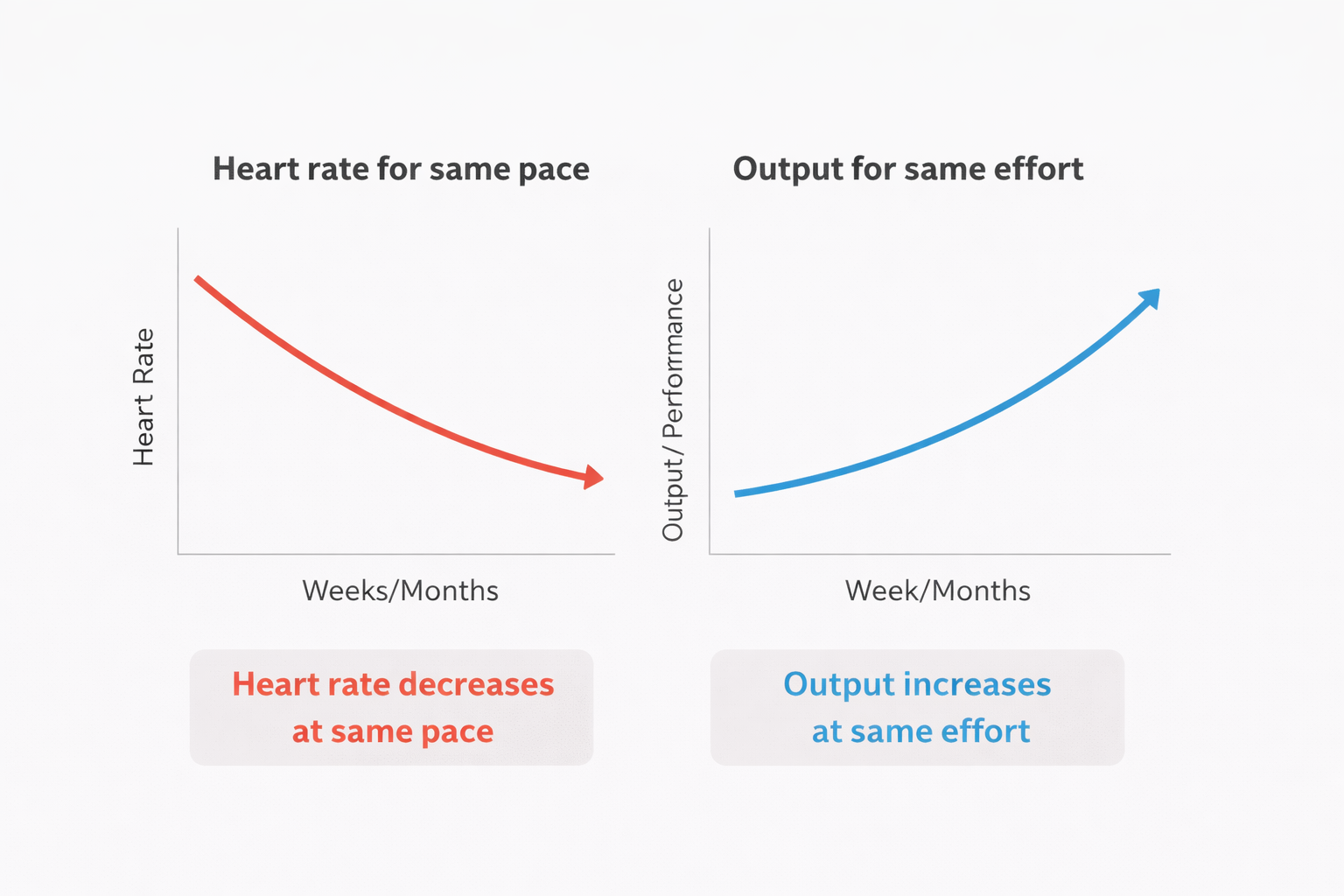
That process isn't usually dramatic. Most of the time it's pretty boring. You show up, you practice, you train, you recover, and you come back and do it again. Eventually, weights that used to feel heavy don't. Movements that seemed impossible become normal. You can work longer without getting tired, and you recover faster. Things outside the gym get easier without you necessarily noticing when it happened.
We'll come back to that idea a lot over the next few months, from a lot of different angles. But it all starts in the same place. Before worrying about the weight on the bar, your time on the clock, or your name on the leaderboard, ask the simplest question first: why am I doing this?