Strength Before Speed: Why Power Starts With a Foundation
Strength and power aren't the same thing. Learn why building strength first gives you more potential to move weight faster and become more powerful.
By
September 14, 2026
Strength and power get talked about together so often that it's easy to treat them as the same thing. They aren't. Strength is your ability to produce force. Power adds another piece to the equation: how quickly you can produce it.
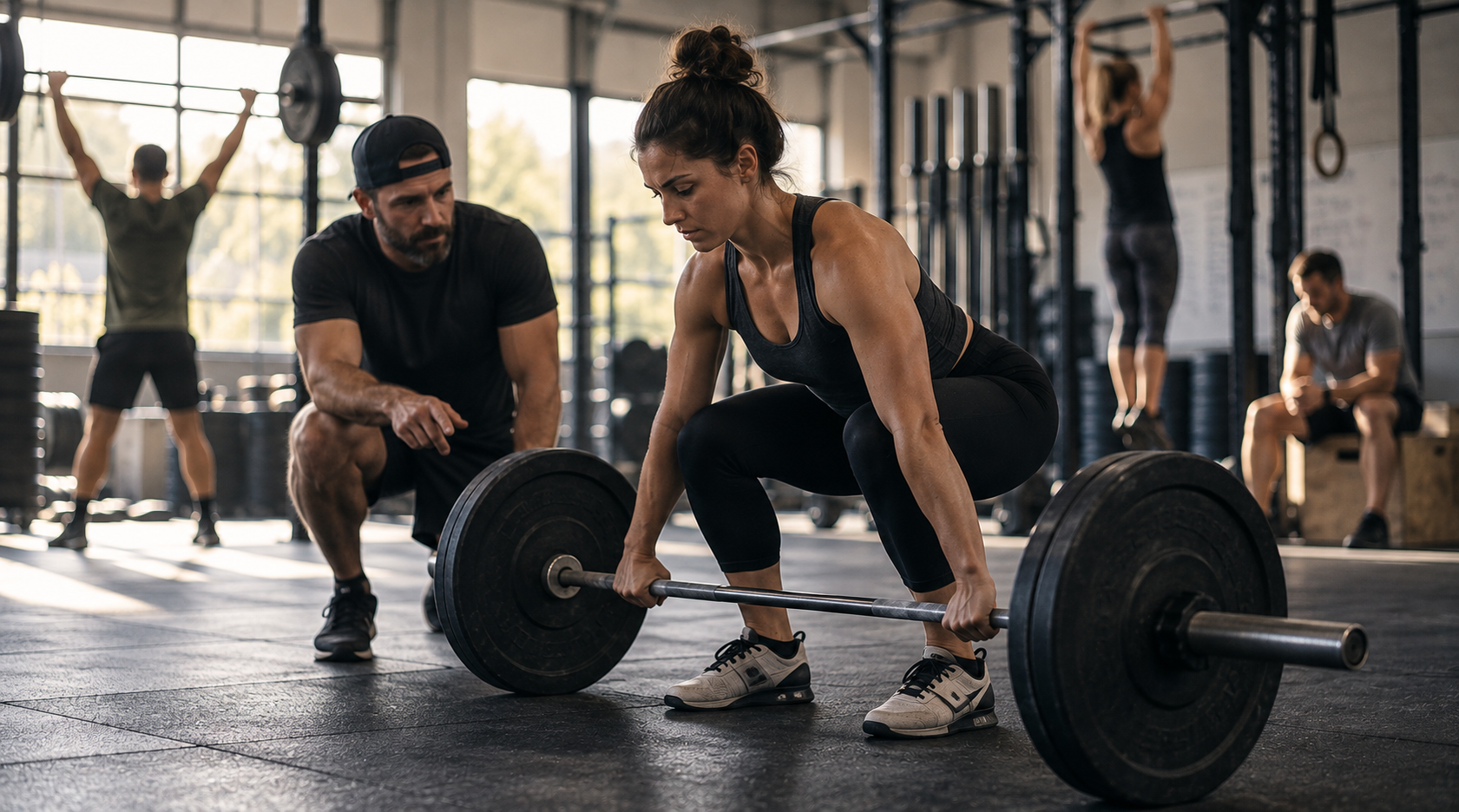
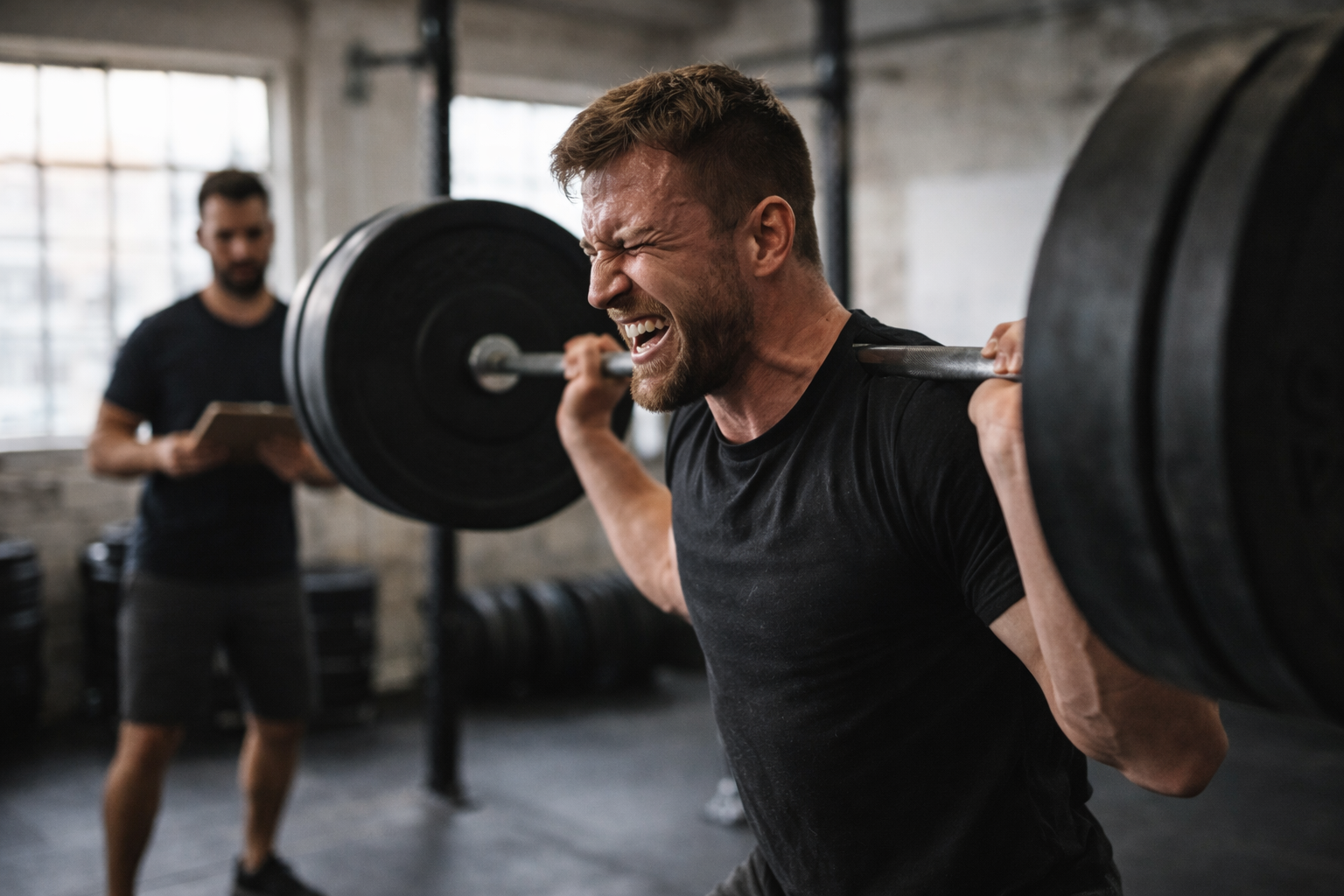
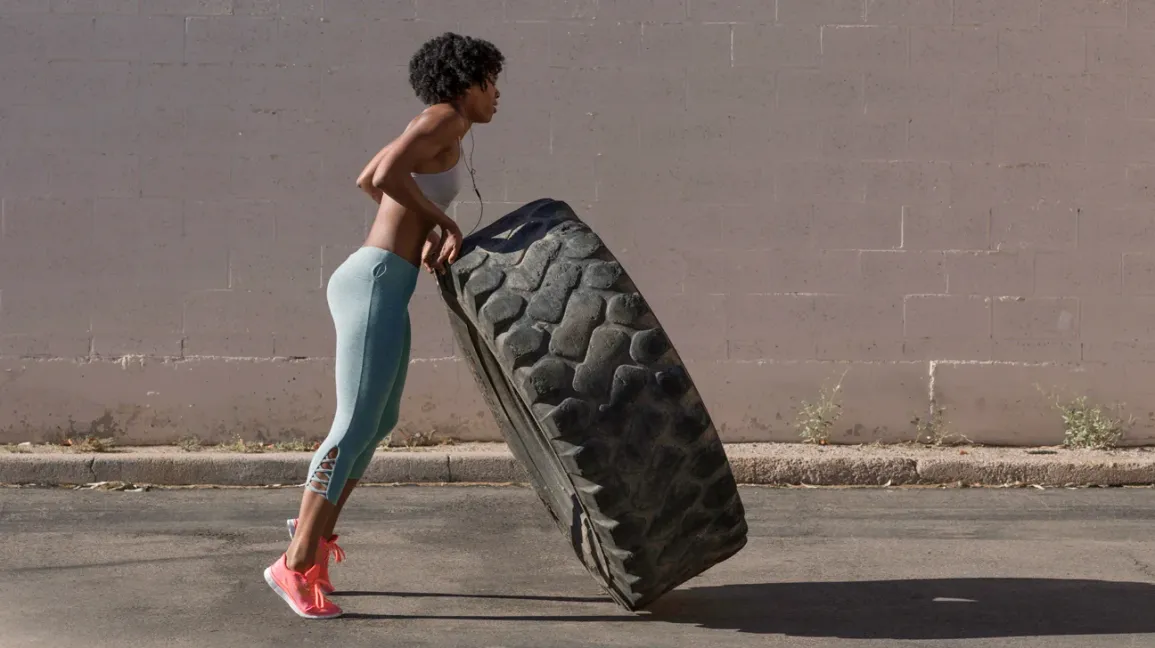
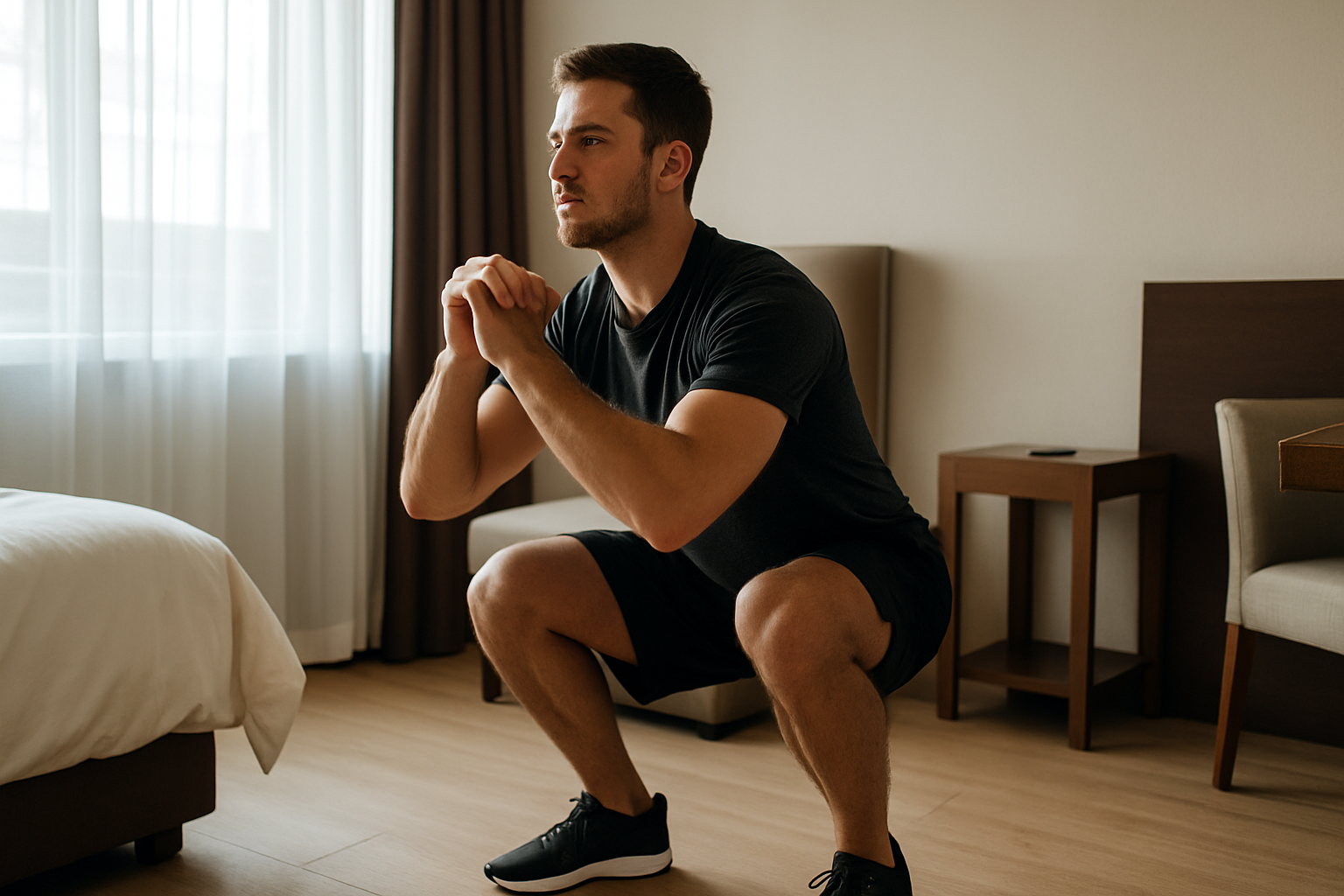
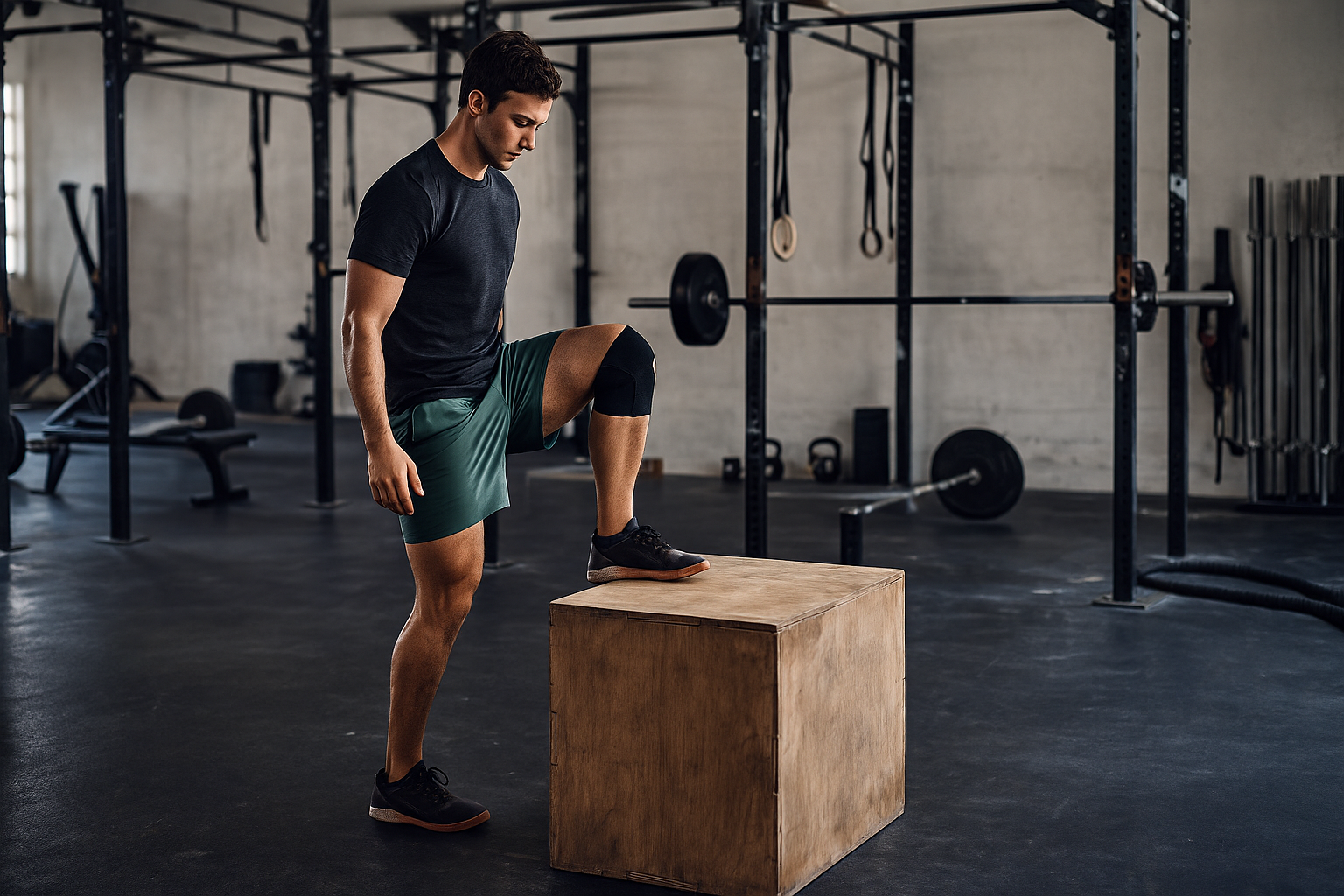
Picking something heavy off the floor requires strength. Taking a lighter load and moving it explosively requires power. A heavy squat and a box jump ask different things from your body, even though the ability to produce force matters to both.
That distinction helps explain something about how we organize our training. Sometimes the quality we eventually want to express isn't the first thing we need to build.
Think about two athletes doing the same movement. One can squat 300 pounds and the other can squat 150. Assuming everything else is reasonably equal, the stronger athlete has more force-producing capacity available to turn into power.
That doesn't automatically make the stronger athlete more powerful. Speed, coordination, technique, timing, and the ability to recruit that strength quickly still have to be developed. Anyone who has watched a very strong person learn to snatch for the first time has seen that lesson play out pretty clearly.
But there has to be something there to express.
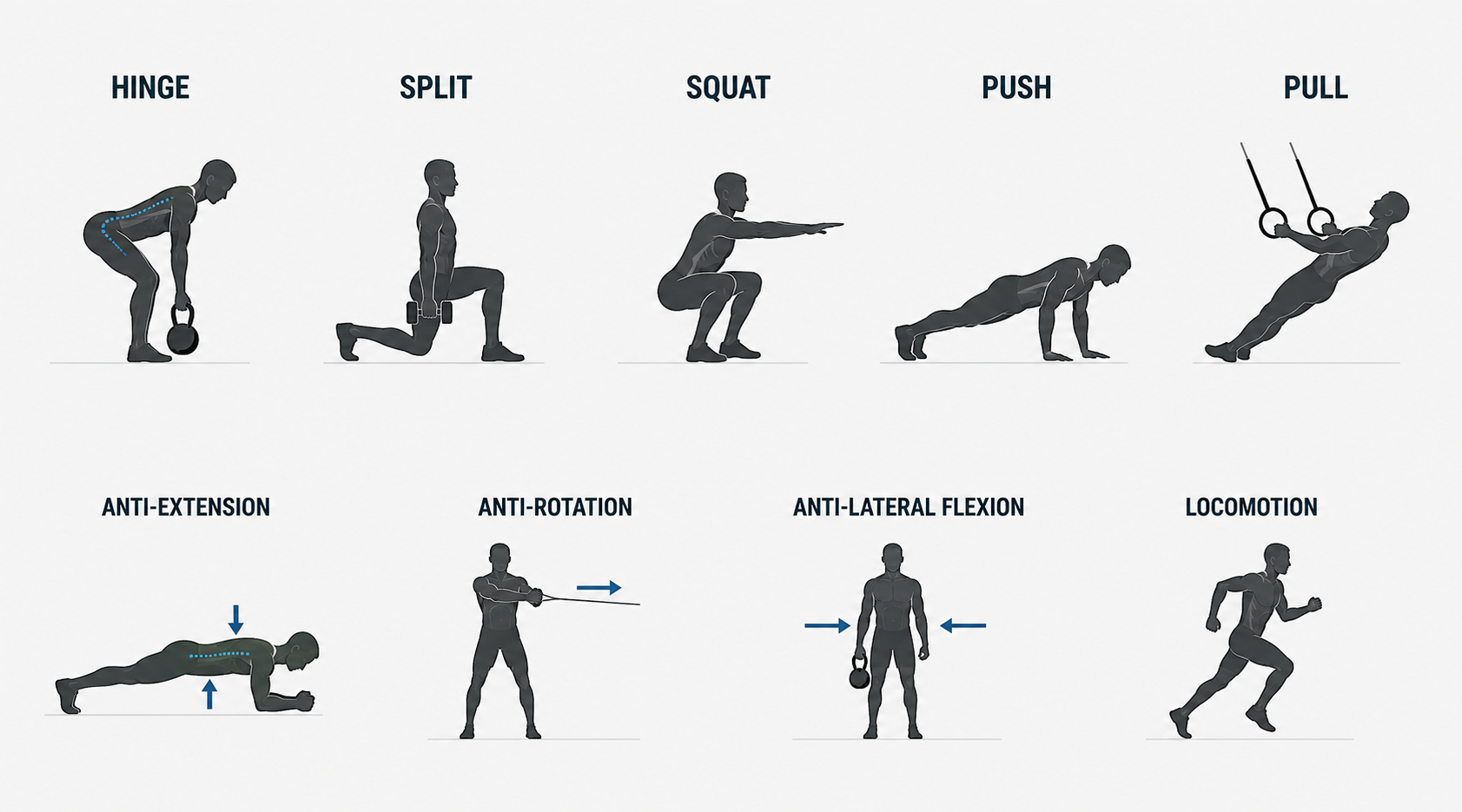
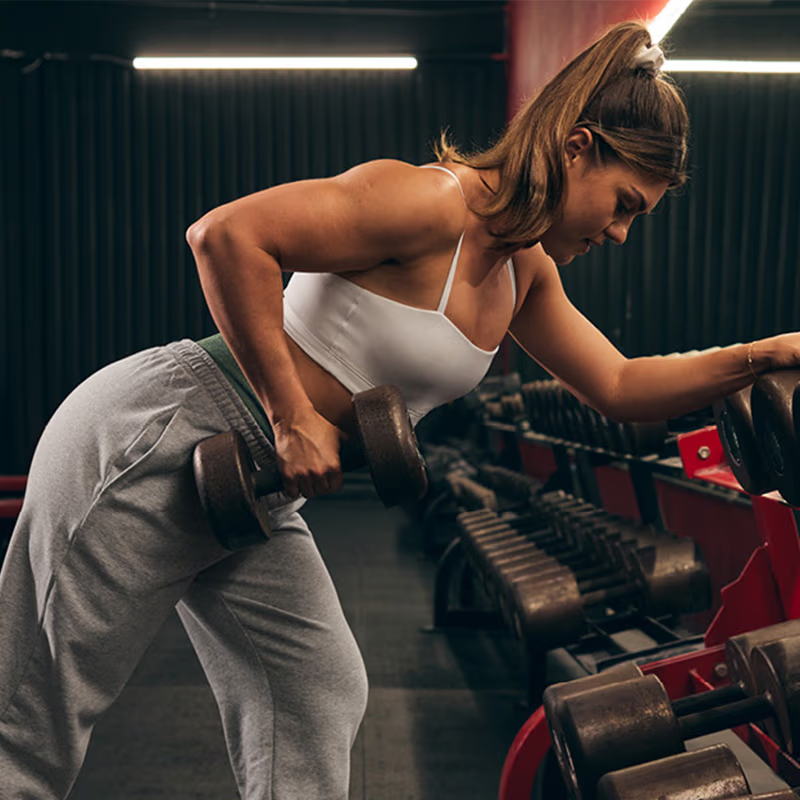
This is one reason foundational strength work has such a large place in our programming. Squats, presses, deadlifts, pulls, and other relatively simple strength movements give us a way to increase the amount of force we're capable of producing without requiring the same degree of speed and coordination as more complex movements.
Once that foundation is stronger, we have more to work with when the training emphasis changes.
Building strength alone isn't the whole answer either.
If all we ever did was move increasingly heavy loads slowly, we'd get very good at producing force under those conditions. But fitness asks us to use our strength in a lot of different ways. Sometimes we need to move something heavy. Sometimes we need to move something quickly. Often we need to do both while coordinating several joints and muscle groups at once.
That's where power comes in.
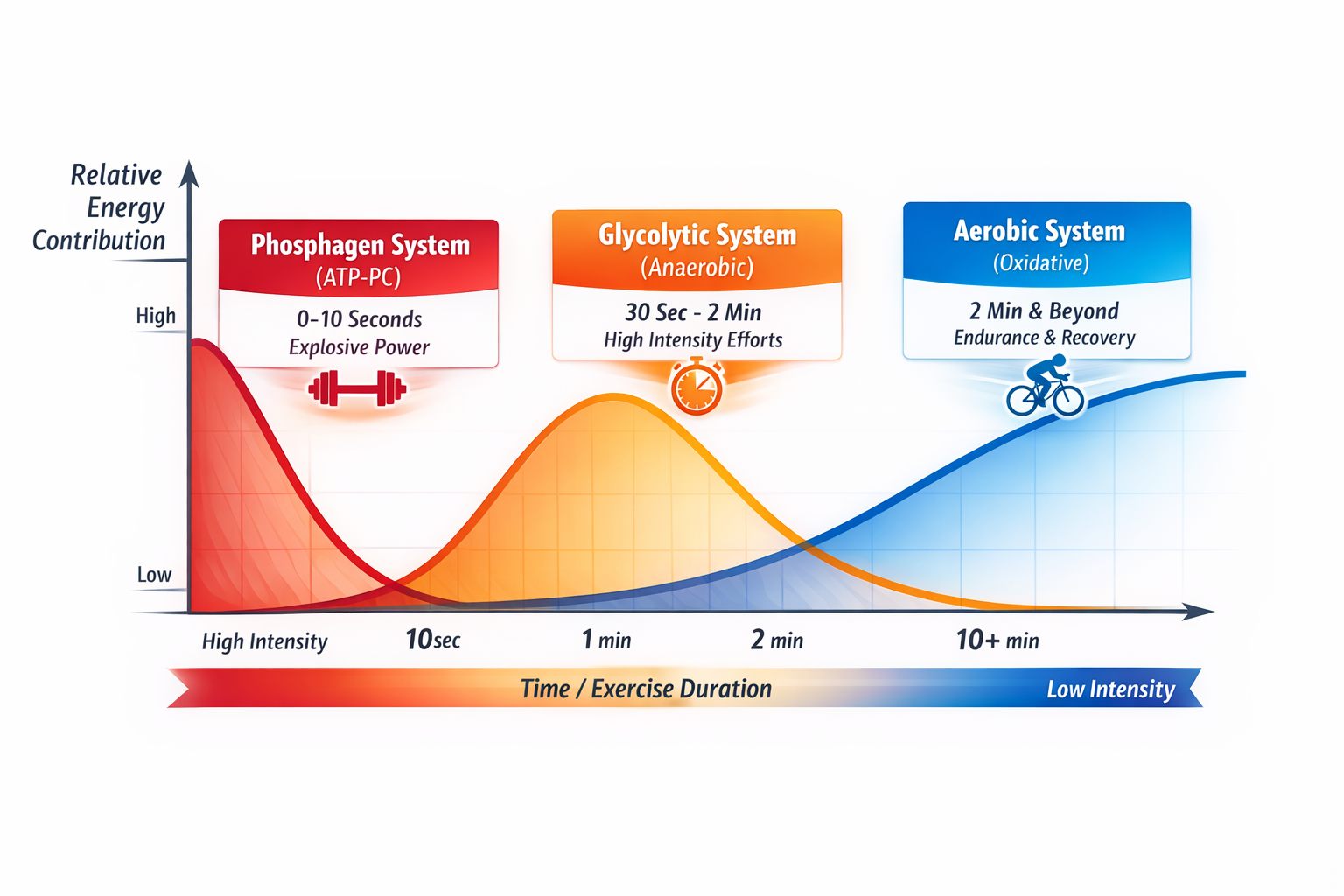
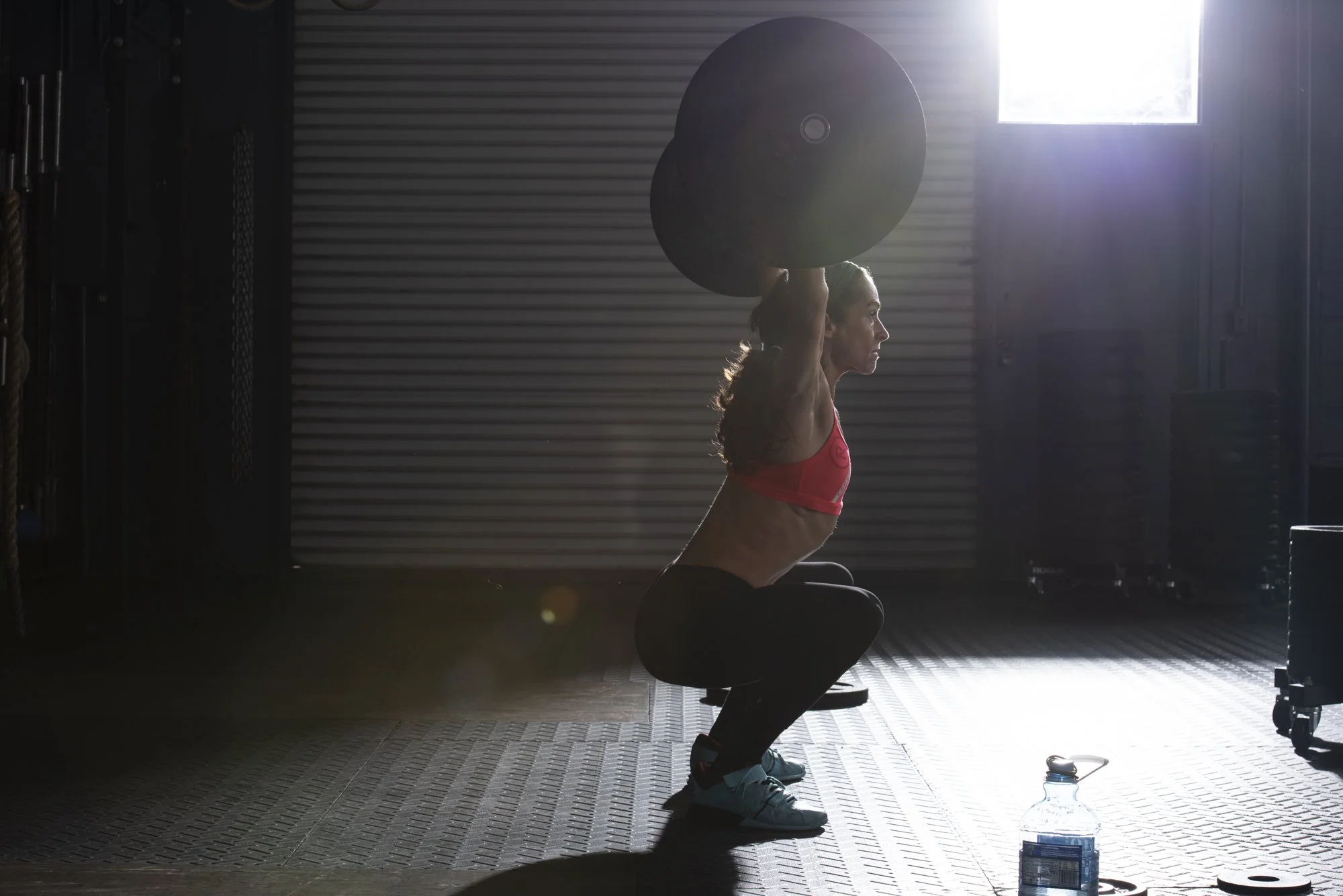
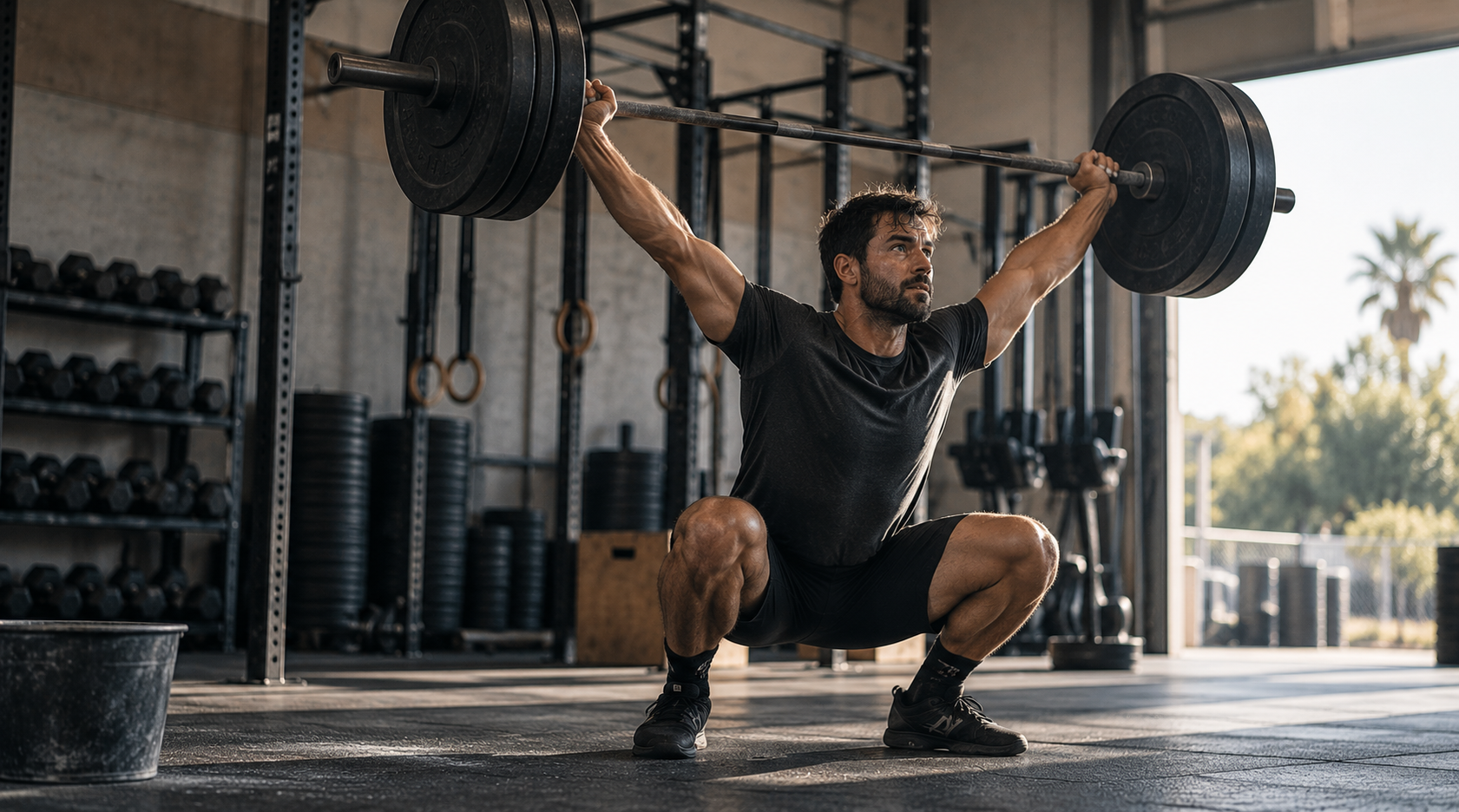
Olympic lifts are an obvious example because a successful snatch or clean requires you to create a lot of force very quickly and put that force in the right direction at the right time. But power shows up all over CrossFit. Jumps, throws, kettlebell swings, sprinting, rowing hard, and accelerating your own body through gymnastics movements all depend on some version of it.
The goal isn't to choose between being strong and being fast. It's to develop the ability to produce force and then become better at expressing it.
That takes time, and it doesn't all have to happen at once.
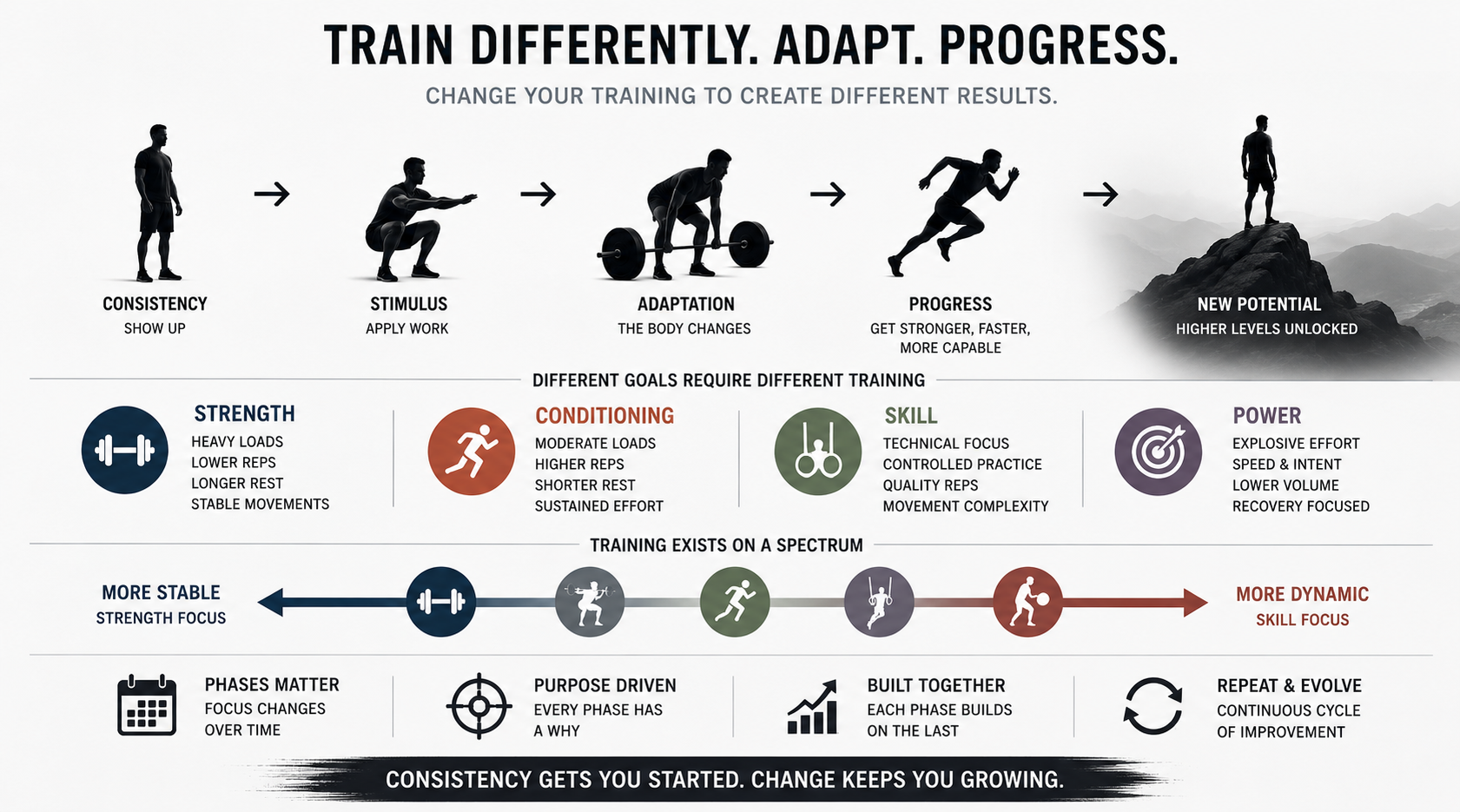
Earlier this year, BUILD spent fifteen weeks giving extra attention to the squat, press, and deadlift. We followed that with a gymnastics block that emphasized strict pulling strength while maintaining the foundational strength we'd already developed. Now we're spending more time on Olympic lifting, where speed, timing, coordination, and power become much larger pieces of the puzzle.
That order wasn't accidental.
We could have started with twelve weeks of Olympic lifting. We also could have tried to give equal attention to heavy strength, Olympic lifting, gymnastics, sprinting, endurance, and everything else from the beginning. We'd certainly stay busy.
The problem is that being busy and creating progress aren't necessarily the same thing.
Some adaptations take enough repeated exposure that they need room to develop. If the training target changes every time you walk into the gym, you may get plenty of variety without giving your body much reason to become significantly better at any one thing.
A focused period lets us push one quality forward while doing enough elsewhere to maintain much of what we've already built. Then the emphasis can change and the next quality gets more attention.
Over time, those pieces start supporting each other.
There's another reason strength doesn't automatically become power: your body has to know what to do with it.
You can have enough strength to clean a particular weight and still miss it because the bar gets too far away. You can be strong enough to support a snatch overhead and never get the bar there because the timing of the pull is off. You can have plenty of leg strength and still struggle to express it explosively because you haven't developed that skill yet.
This is where power becomes as much about coordination as effort.
It also explains why simply adding weight isn't always the fastest way to improve an explosive movement. Sometimes the thing preventing the lift isn't a lack of strength. It's that the movement falls apart when you try to perform it faster.
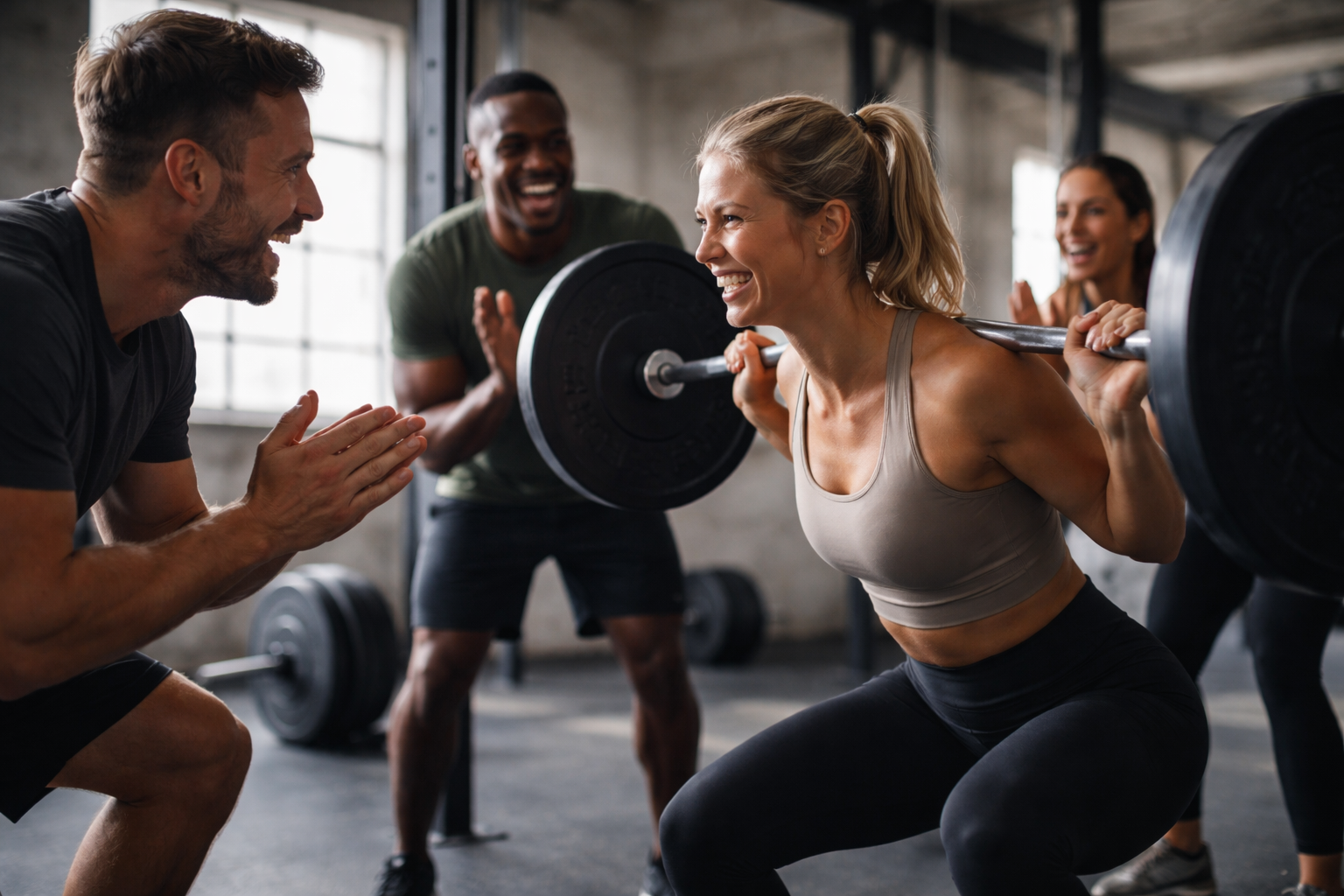
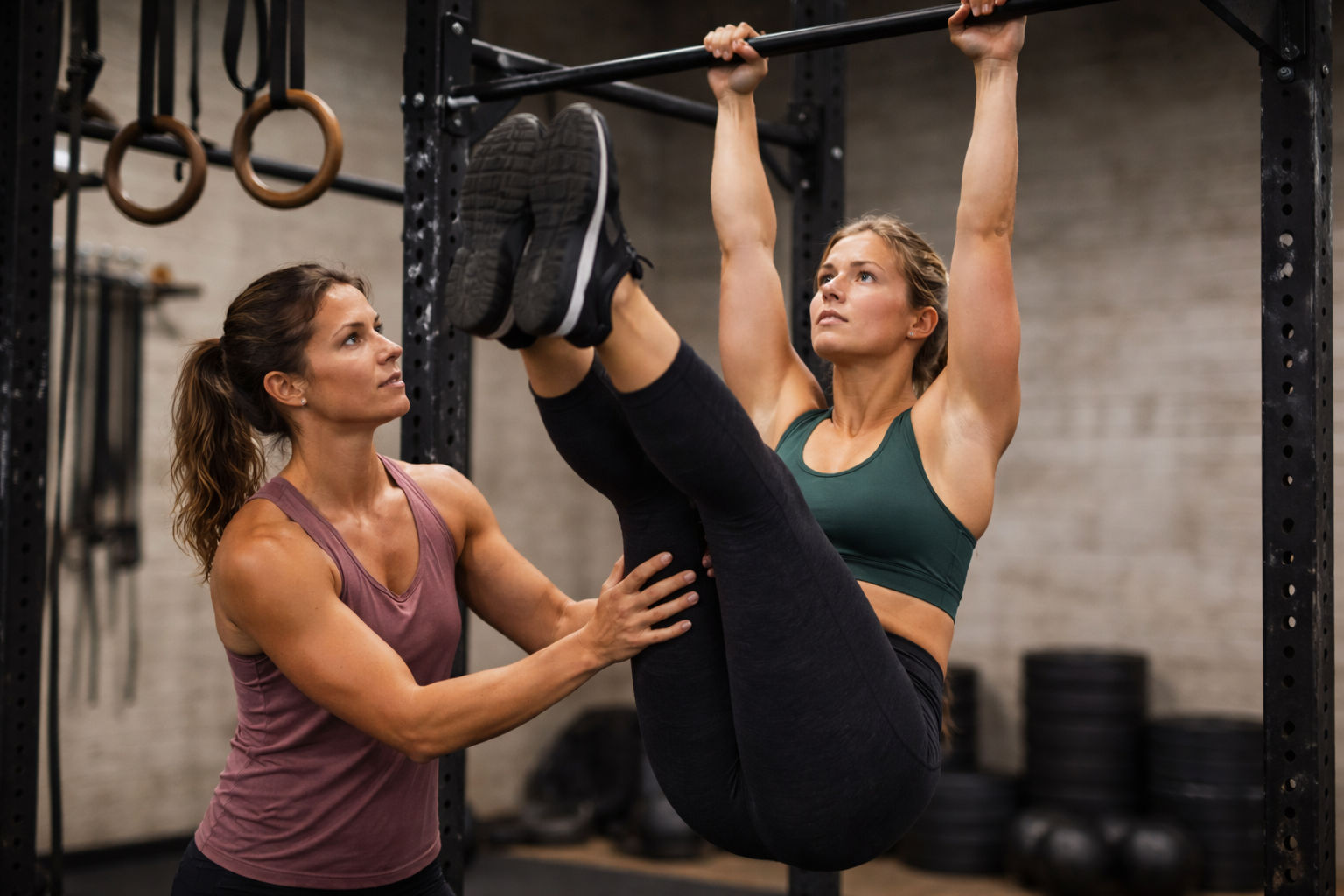
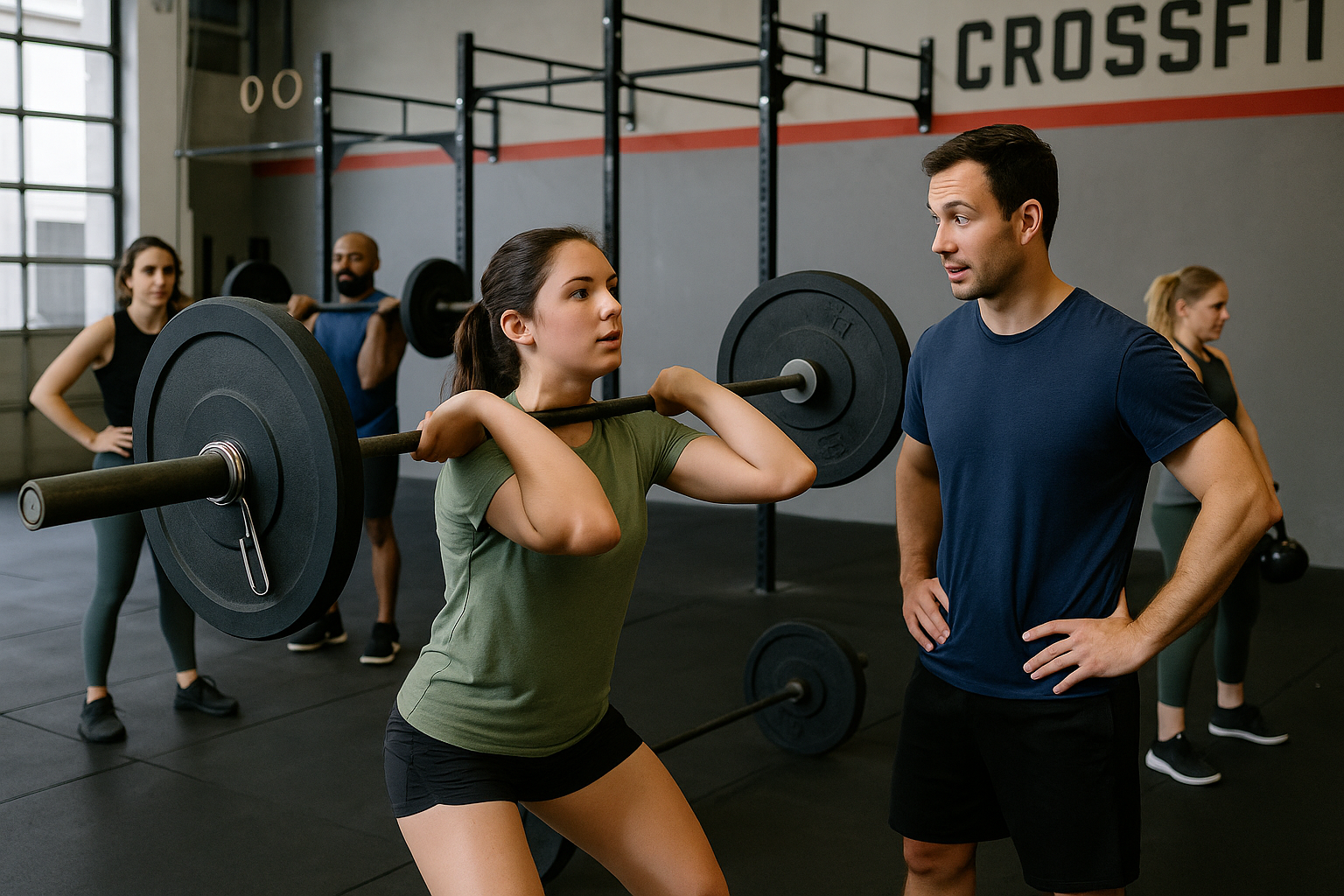
A coach watching from outside can usually see things that are difficult to feel while you're in the middle of the movement. That might mean changing the load, slowing part of the lift down, working from a different position, or repeating a drill that doesn't look particularly exciting on the whiteboard.
None of that means you're avoiding hard work. It means we're trying to identify what actually needs work.
This matters beyond Olympic lifting.
When something feels difficult, our instinct is often to assume we need to get stronger. Sometimes that's exactly right. Other times, strength isn't what's holding us back.
A stronger athlete can still be inefficient. A powerful athlete can still lack endurance. Someone with enough physical capacity to perform a gymnastics movement may still need better timing or body awareness. An athlete can possess all the individual pieces and struggle to put them together.
Part of good training is figuring out which quality is actually limiting performance instead of throwing more effort at the problem.
That's also why two people standing next to each other in the same class may need different coaching. One person may genuinely need more foundational strength before worrying about moving faster. Someone else may already be plenty strong and needs to stop trying to muscle through a movement long enough to learn how to use that strength efficiently.
The workout on the board is shared. The thing each person needs from it isn't always identical.
There's a tendency in fitness to want the most visible result first. We want the heavier clean, the higher box jump, the faster sprint, or the first muscle-up. The less exciting work underneath those things is easier to overlook.
But physical qualities don't exist independently. Strength supports power. Strength and power support many skills. Technique determines how efficiently we can use both. Conditioning determines how well we can keep expressing those qualities as fatigue accumulates.
Training works better when we respect those relationships instead of trying to skip to the end result.
That doesn't mean everyone needs to spend years powerlifting before they're allowed to jump or learn an Olympic lift. We develop these qualities alongside one another all the time. It simply means that when we want to make meaningful progress, it helps to understand what the next layer is being built on.
For us, right now, we've spent a good portion of the year putting more strength underneath the hood. The next job is learning to use more of it quickly.
And when the emphasis changes again, we'll take what we've built here with us.