Fitness Happens Between Workouts Too: Why Recovery Matters
Your workouts are only part of the equation. Learn how sleep, nutrition, stress, and daily habits affect recovery, performance, and long-term progress.
By
November 2, 2026

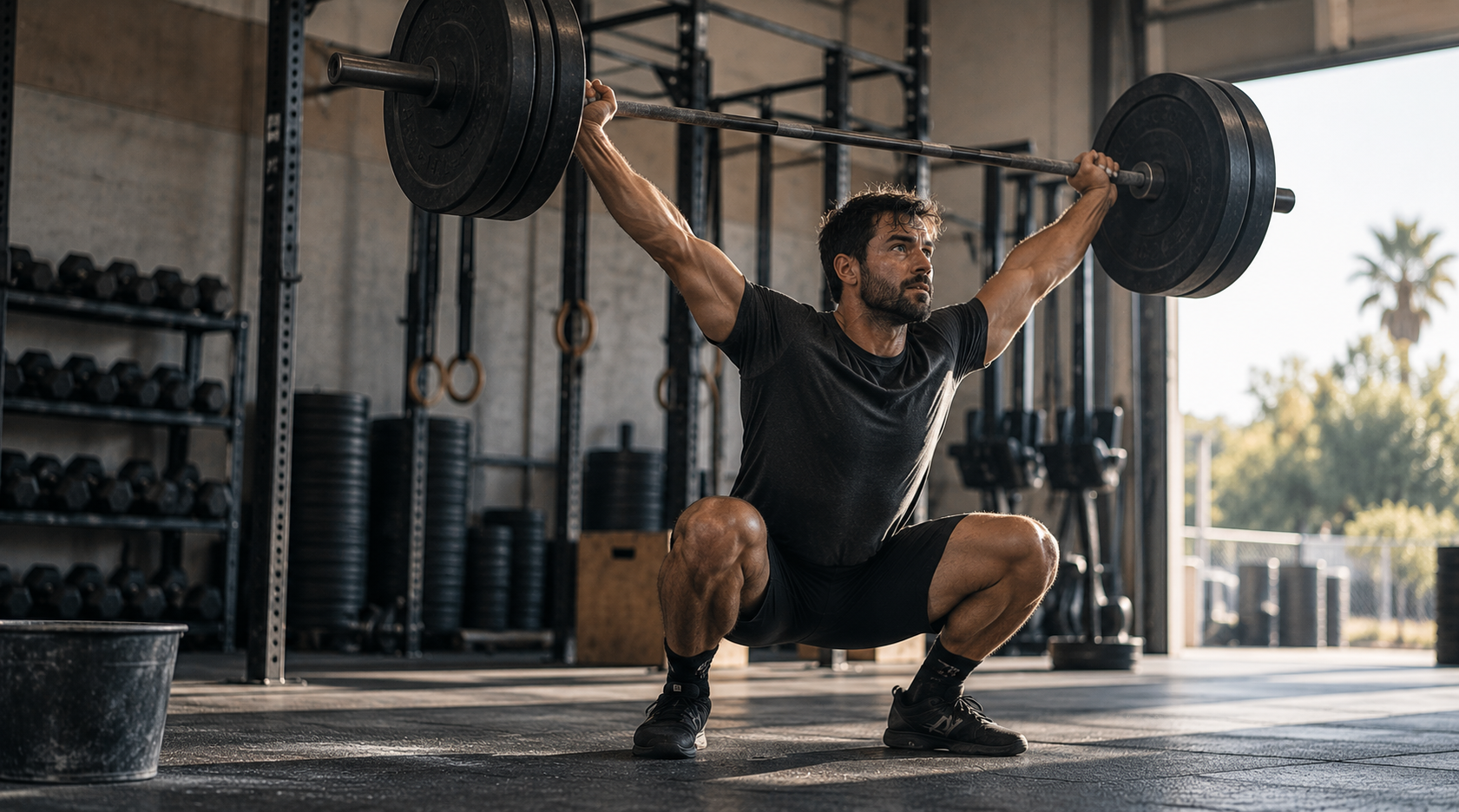
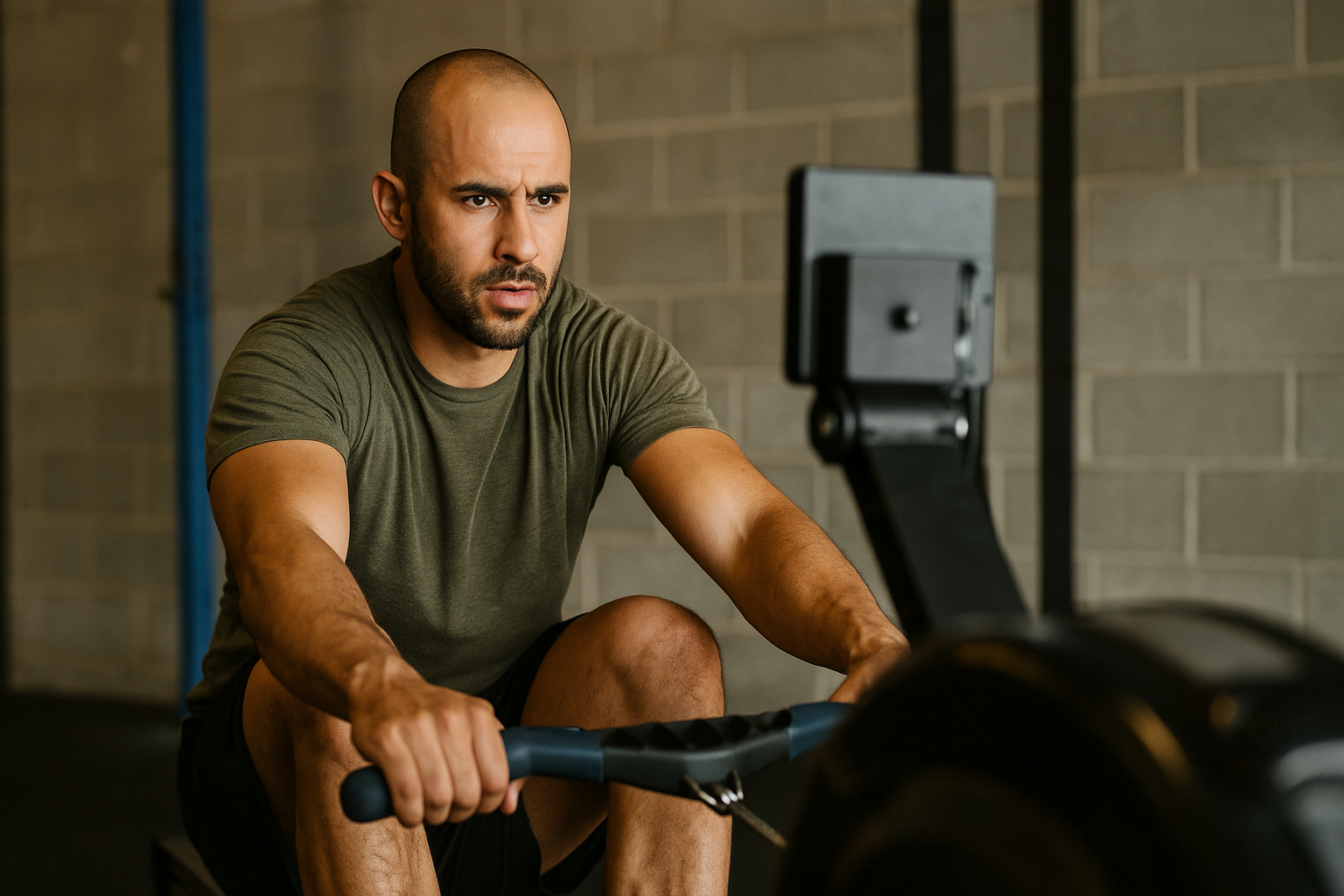
Most of us spend a considerable amount of time thinking about what happens during our workouts. We pay attention to the weight on the bar, our pace, the number of repetitions, and whether we're making progress. We might even spend a few minutes afterward looking at our results and wondering whether we could have pushed a little harder.
But the hour we spend training is only a small part of our day. What happens during the other twenty-three hours has a lot to do with how well we respond to that training.
You can follow a well-designed program, show up consistently, and put in plenty of effort, but if you're regularly underslept, underfed, and overwhelmed by everything else going on in your life, there's a good chance you're leaving some progress on the table.
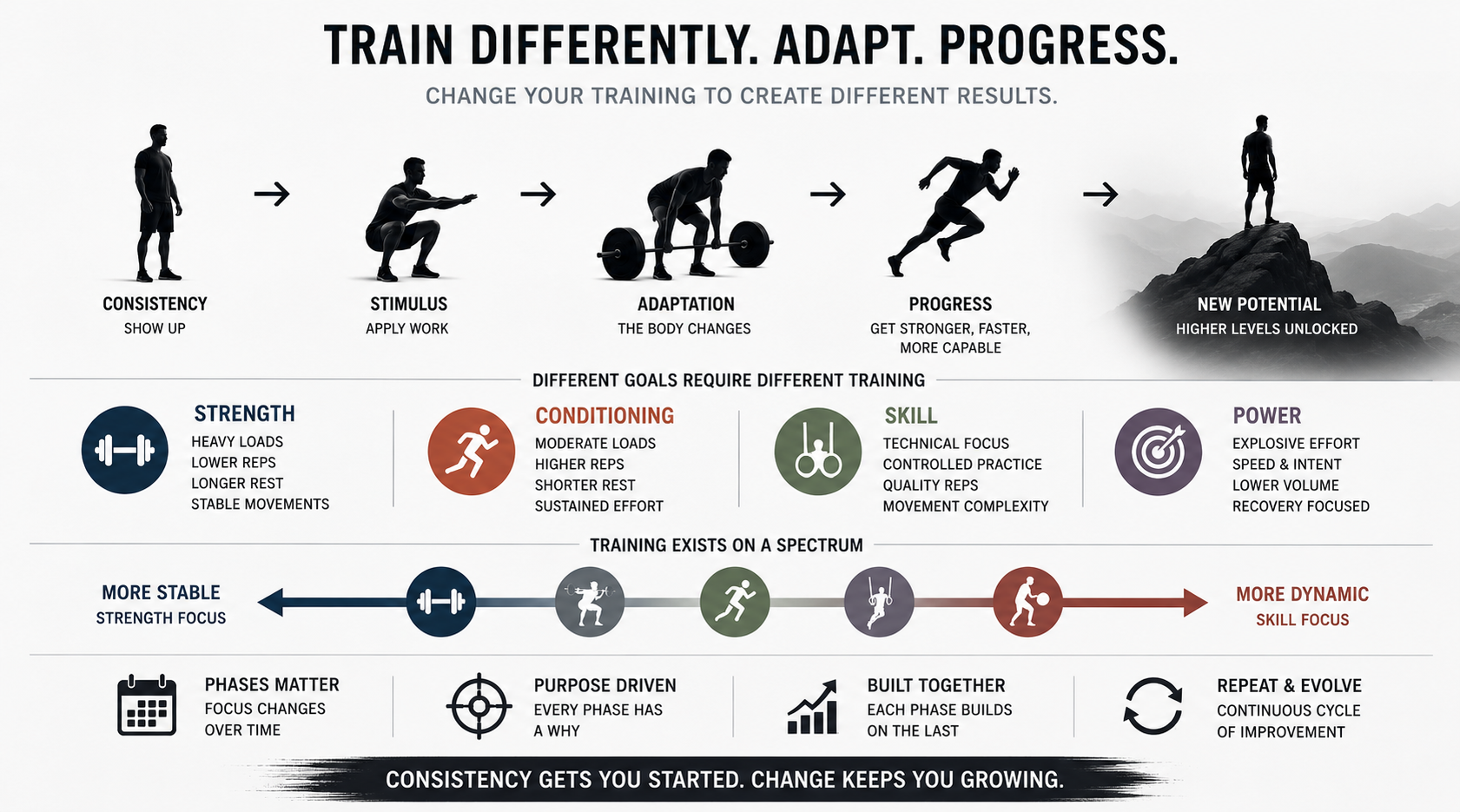
When we train, we place stress on the body. Lifting weights challenges our muscles and connective tissues. Conditioning places demands on our cardiovascular system, while practicing complex movements challenges our coordination and control.
Those demands give the body a reason to adapt, but the workout itself is only part of the process. The body needs adequate energy, nutrients, rest, and time to respond to the work we've done.
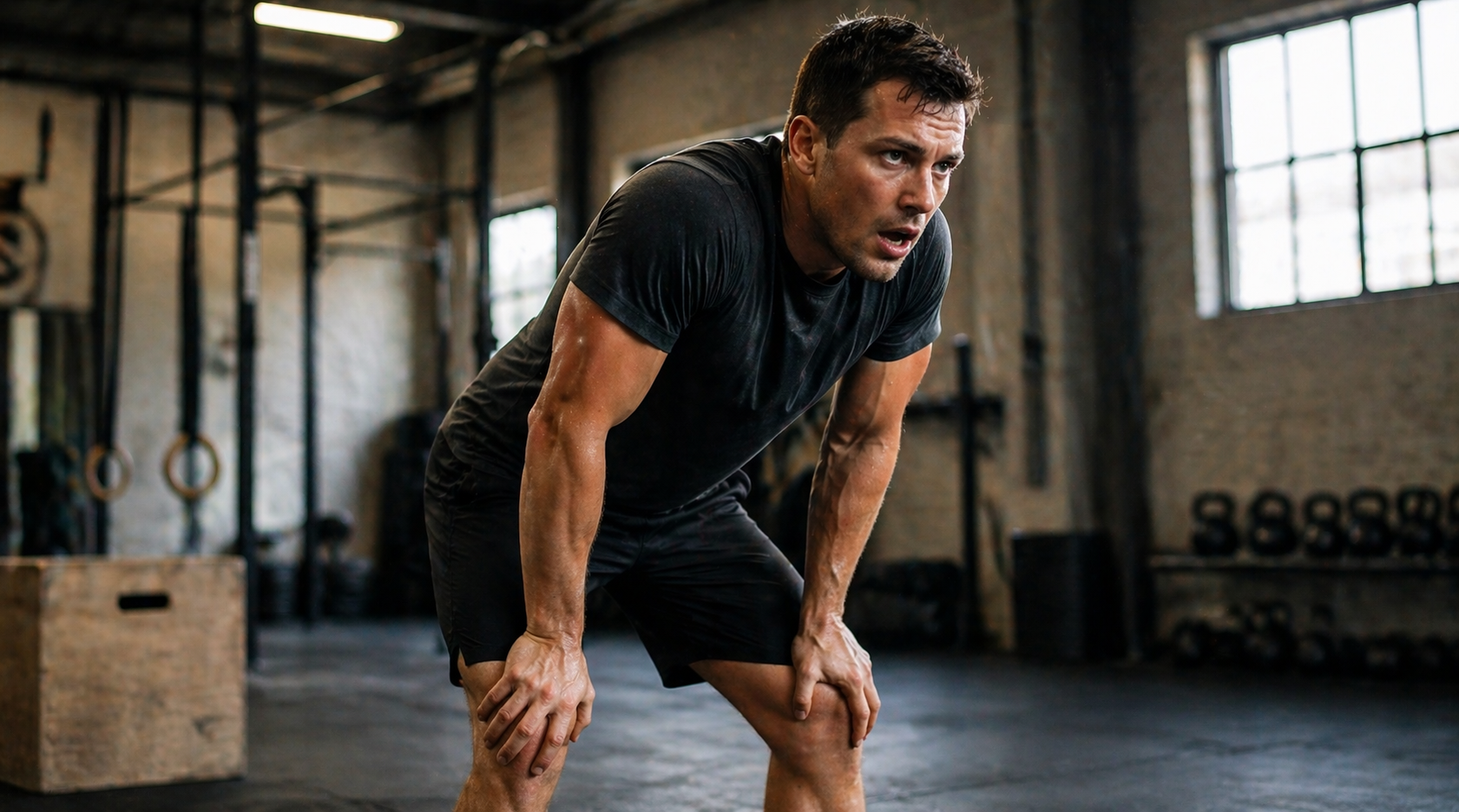
This is why more training doesn't always produce better results. If we're consistently adding stress without enough opportunity to recover, we may eventually find ourselves working harder just to maintain the same level of performance.
That doesn't mean we need to feel completely recovered before every workout. Some fatigue is expected, particularly during demanding training periods. The important distinction is whether we're recovering well enough to continue making progress over time.
Sleep is probably the least exciting performance tool available, which might explain why people spend considerably more time researching supplements than figuring out how to get to bed earlier.
Yet sleep affects nearly everything we're trying to improve. It supports physical recovery, energy regulation, learning, and our ability to perform consistently. When we're regularly cutting it short, workouts tend to feel harder, concentration suffers, and fatigue becomes more difficult to manage.
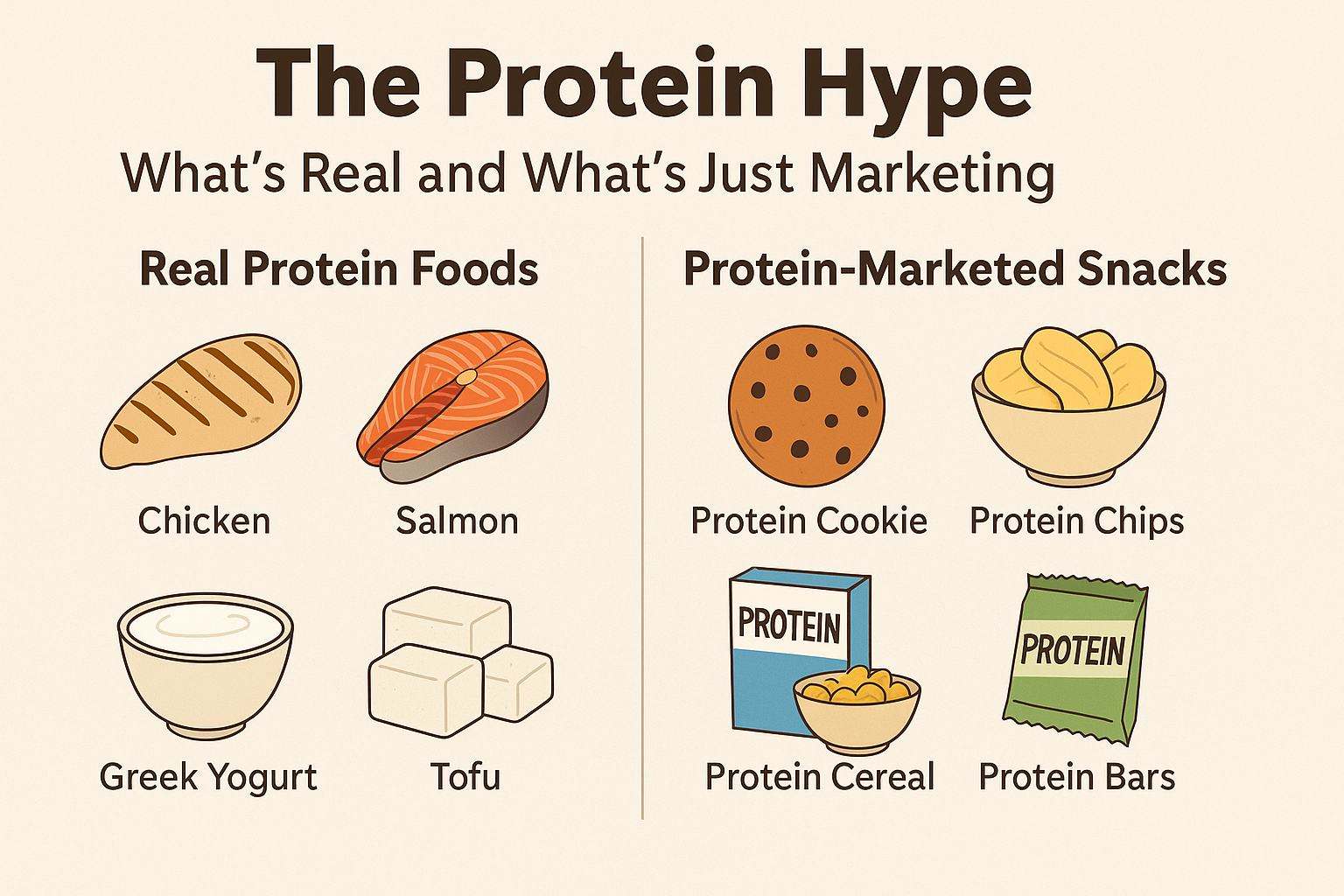
Nutrition plays an equally important role. Our bodies need enough energy to support daily activity and training, along with nutrients to maintain and repair tissue. Protein supports muscle repair and growth, carbohydrates help replenish the energy used during exercise, and adequate hydration supports normal physical function.
You don't need a perfect diet or an elaborate recovery routine to make progress. For most people, consistently eating enough, getting sufficient protein, drinking water, and protecting their sleep will accomplish considerably more than adding another supplement to the kitchen counter.
Training is only one source of stress. Work, family responsibilities, financial concerns, poor sleep, and everything else that comes with being an adult can affect how we feel and recover.
That doesn't mean all stress affects the body in exactly the same way, but the demands of daily life can influence how much training we're able to tolerate.
Consider two people following the same program. One sleeps eight hours most nights, eats regularly, and has a relatively predictable schedule. The other sleeps six hours, frequently misses meals, and spends most of the day dealing with one problem after another.
They may be doing identical workouts, but their ability to recover and perform consistently could be quite different.
This is where some flexibility becomes useful. During particularly stressful periods, maintaining your normal training schedule might require reducing intensity, shortening a session, or accepting that you're not going to set any records that week.
Sometimes it's worth discussing those adjustments with your coach rather than assuming you need to push harder to compensate for everything else.
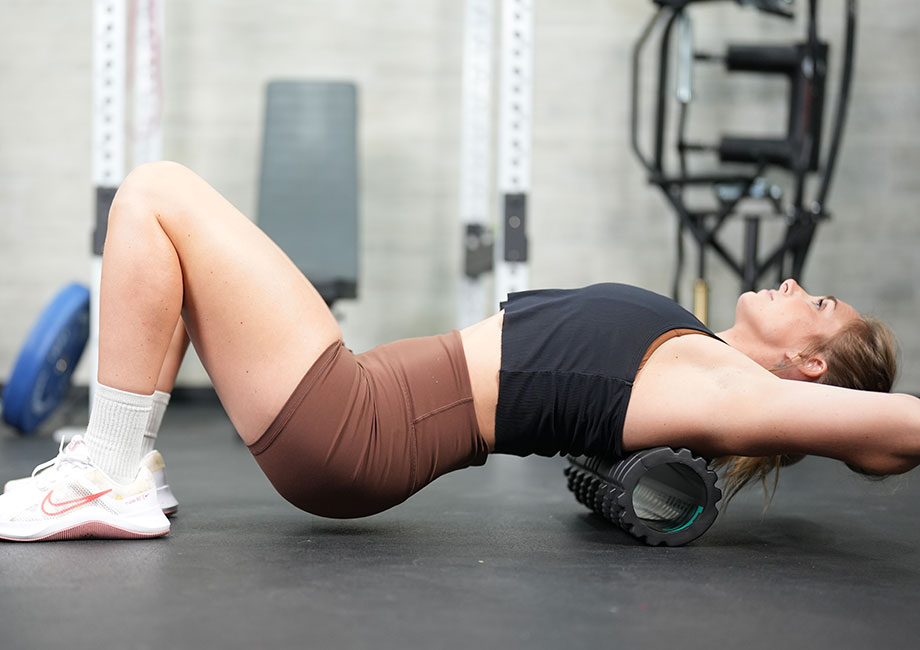
Rest days are important, but recovery doesn't always require spending the entire day on the couch. Light movement can help us maintain activity without adding the demands of another difficult workout.
Walking, easy cycling, mobility work, or simply spending more time moving throughout the day can be useful, particularly for people whose jobs involve sitting for long periods.
There's also value in activities that have nothing to do with exercise. Spending time outdoors, seeing friends, enjoying a hobby, or having an evening that doesn't involve another obligation can help us manage the mental demands that accumulate throughout the week.
Not every part of your life needs to be organized around improving your fitness. In fact, if your training is consistently leaving you too exhausted to enjoy the things you train for, it's probably worth reconsidering how you're approaching it.
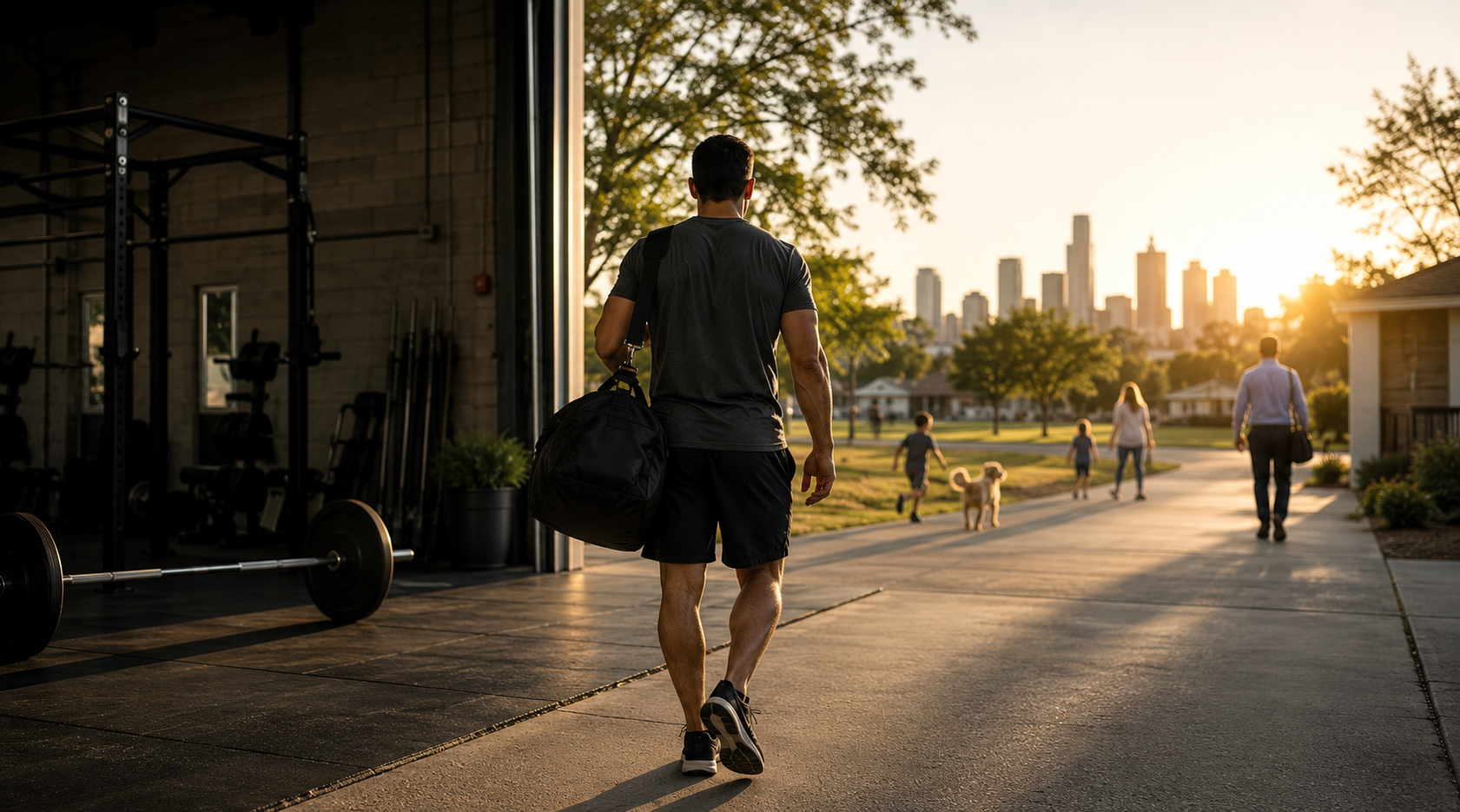
The goal is to find habits that support both your training and the life you're trying to live.
Recovery isn't always easy to measure, but there are useful signs worth noticing.
Are you generally sleeping well? Is your energy reasonably consistent throughout the day? Are you recovering from workouts within a manageable amount of time? Do weights and movements that normally feel familiar still feel familiar, or has everything started becoming unusually difficult?
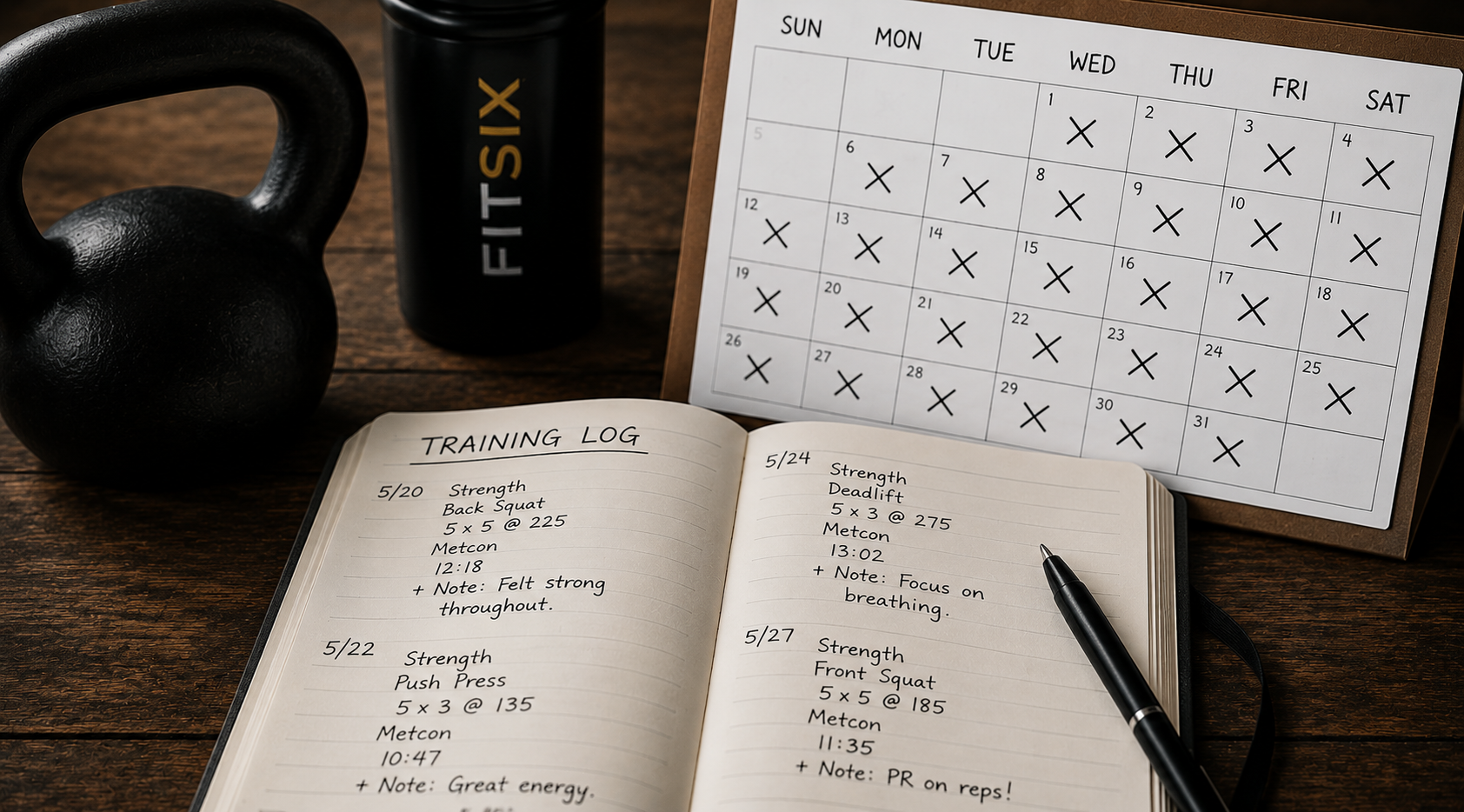
One bad night's sleep or an unusually hard workout doesn't tell us much. Patterns over several days or weeks are more useful.
If your performance has been declining, soreness is lingering longer than usual, or you're constantly exhausted, consider what's happening outside the gym before assuming the solution is a different training program.
Maybe you need more sleep, more food, a lighter training week, or simply a little less on your schedule. Sometimes a conversation with your coach can help identify where the problem might be.
And if things are generally going well, you probably don't need to complicate them. Keep training, eating, sleeping, and paying attention to how you feel.
The work you do in the gym matters. Just remember that your body is responding to everything you ask of it, not only what happens during your workouts.