Specificity vs. Variety: Why Good Training Needs Both
Variety keeps training interesting, but progress requires repetition. Learn how structured training balances both to build strength, skill, and fitness.
By
October 19, 2026

There's no shortage of ways to exercise. You can lift weights, run, bike, swim, practice gymnastics, or combine several of those things into a workout. You can change the movements, repetitions, loads, distances, and rest periods almost endlessly. If keeping things interesting were the only goal, you could probably go years without repeating the same workout.
But if the goal is to get better at something, never repeating yourself creates a problem.
Improvement requires enough exposure to a particular demand for your body to adapt. You need opportunities to practice movements, gradually increase difficulty, and build on what you've already done. At the same time, doing exactly the same thing indefinitely has limitations of its own.
Good training finds a balance between repetition and variety, using each where it makes sense rather than treating either as the goal.
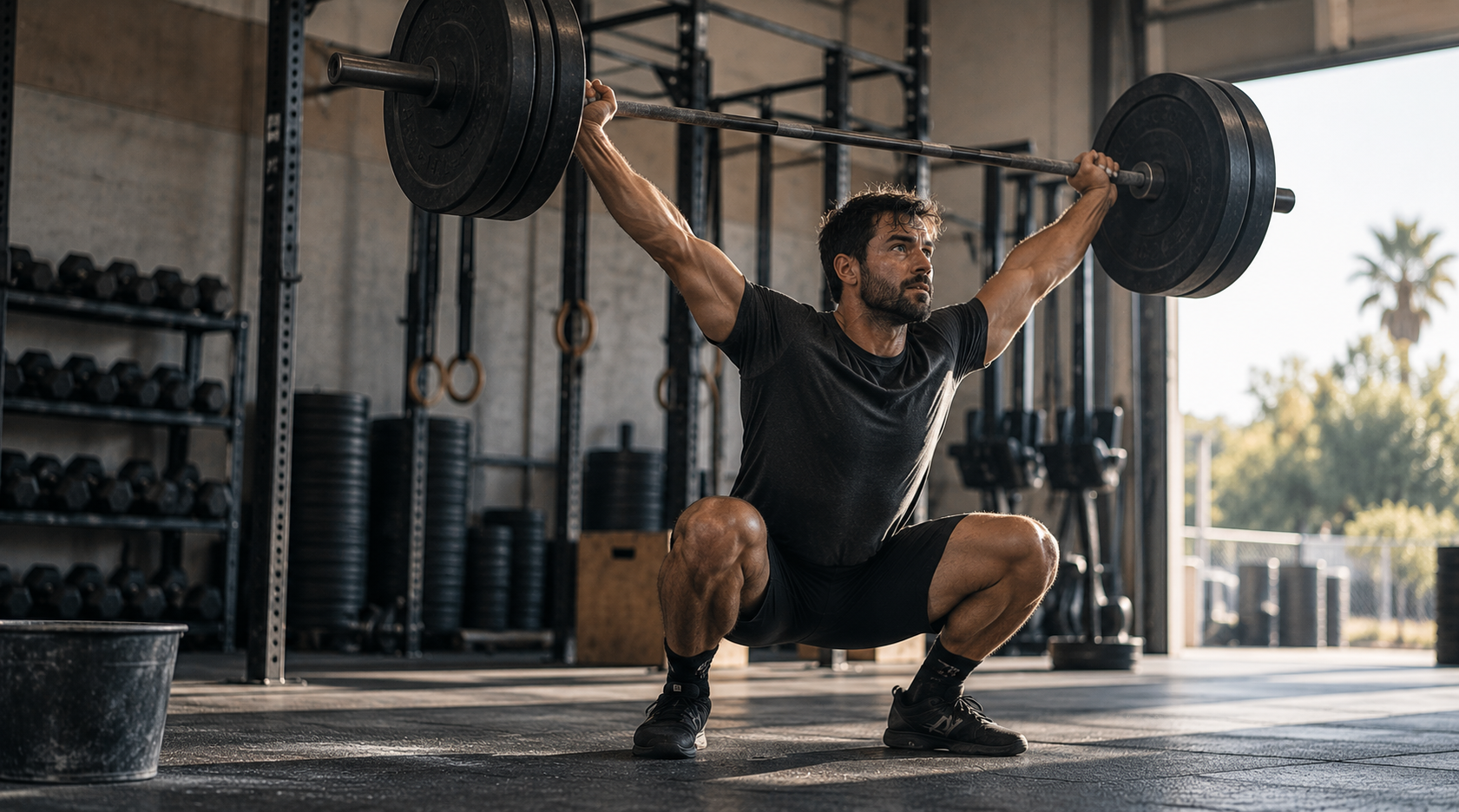
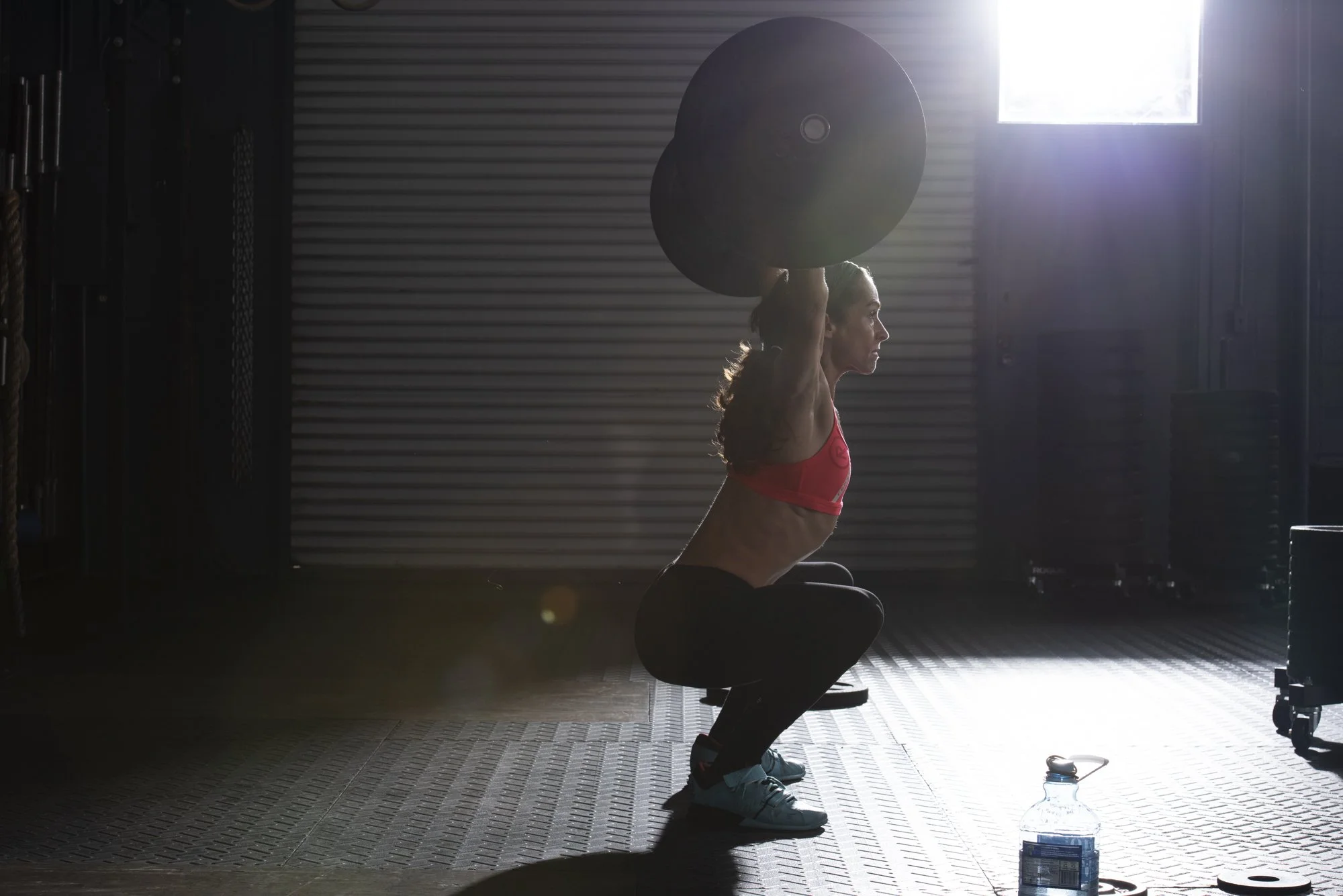
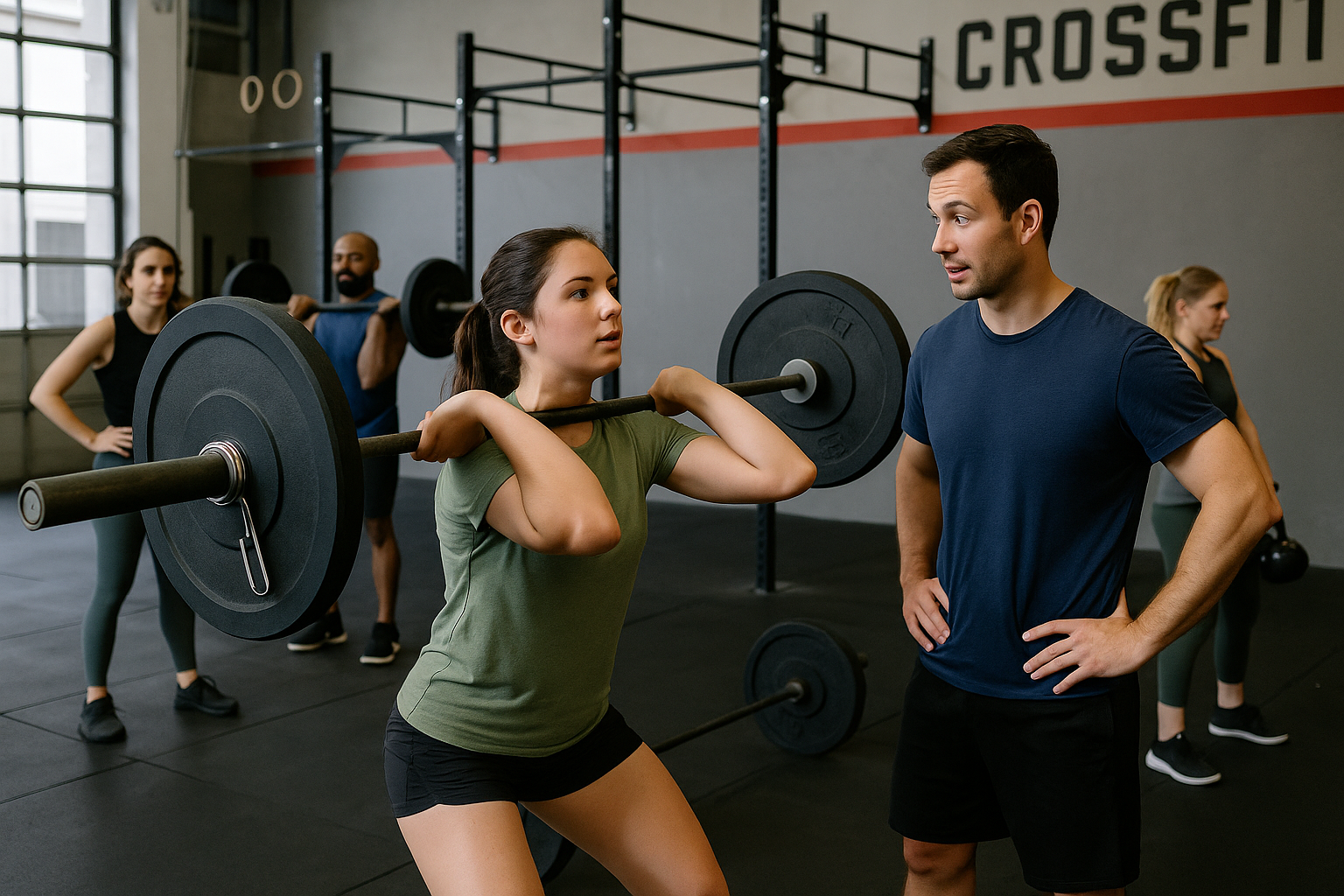
Think about learning a complicated movement like the snatch. It requires strength, speed, mobility, balance, and timing, all working together. You can understand what the movement should look like after a few demonstrations, but getting your body to perform it consistently takes practice.
Your early attempts might involve learning the positions with an empty barbell. As those improve, you add weight, refine your timing, and learn to maintain good positions under increasing demands. Some sessions go well, while others reveal something that needs more attention. Each gives you information to use the next time.
If you only practiced the movement once every couple of months, you'd probably spend a considerable amount of time remembering what you learned previously.
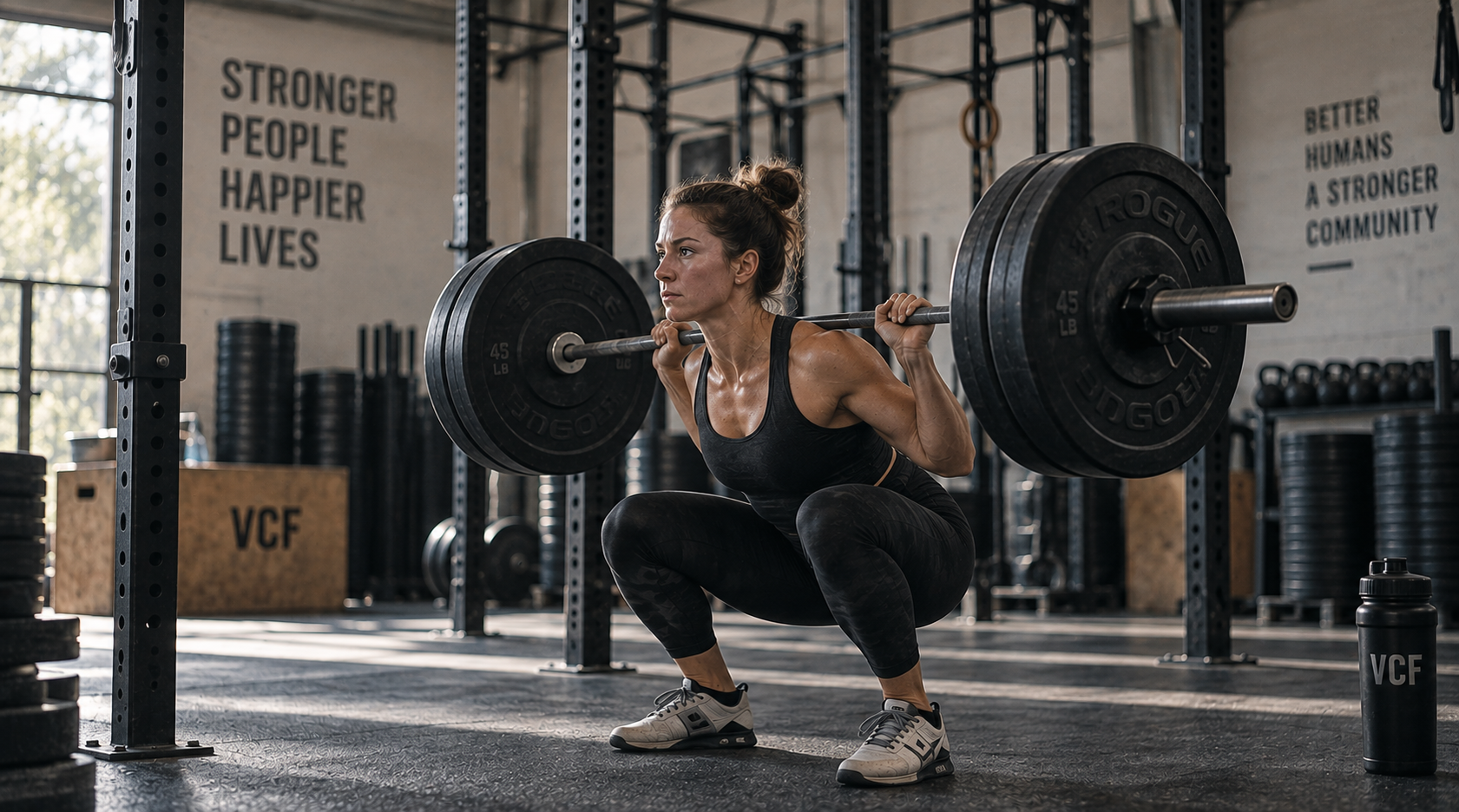
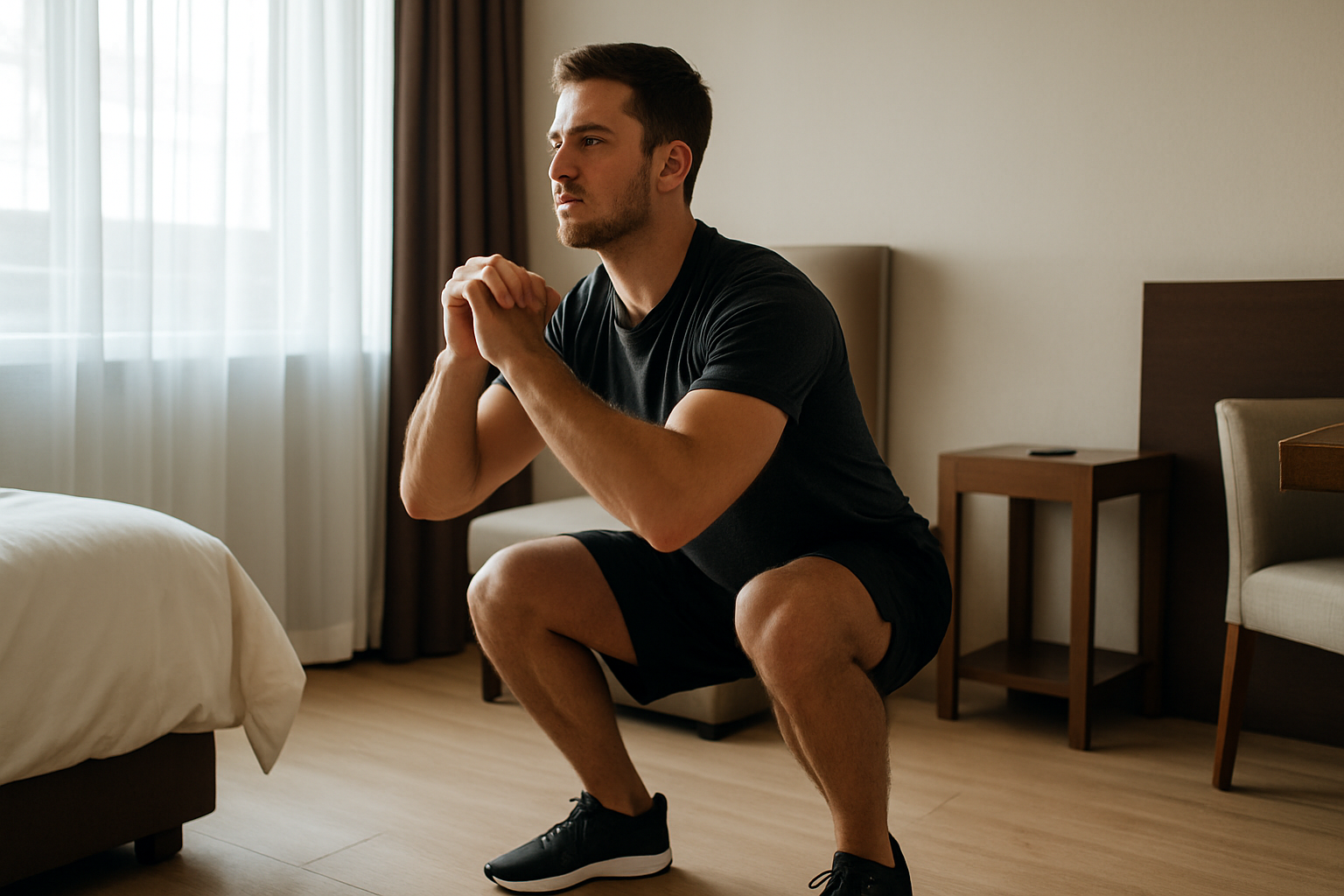
Strength develops through repeated exposure too. If you want a stronger squat, you need to squat or perform related movements often enough, with enough appropriate loading, to give your body a reason to become stronger. One challenging squat session followed by six weeks of unrelated workouts isn't likely to accomplish very much.
This is the principle of specificity. The adaptations we get from training depend on the demands we place on the body. If we want to improve a particular ability, our training needs to address that ability directly or develop the qualities that support it.
That doesn't mean doing one exercise forever. It means giving the things we're trying to improve enough attention to make progress.
If repetition is important, why not just repeat the same exercises and workouts every week?
Because different movements and training methods can help us develop related abilities, address limitations, and manage how much stress we're placing on the body. Variety is useful when there's a reason behind it.
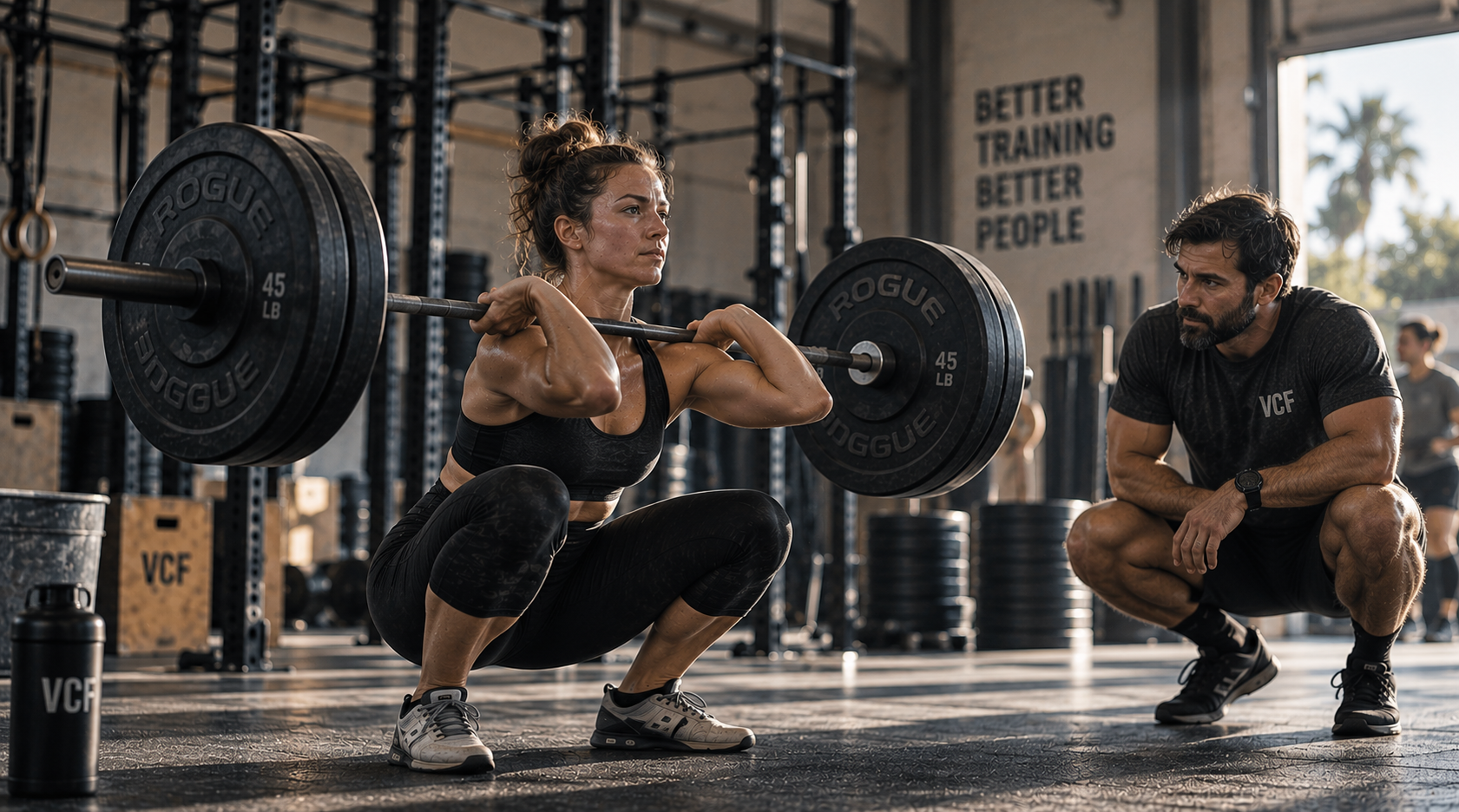
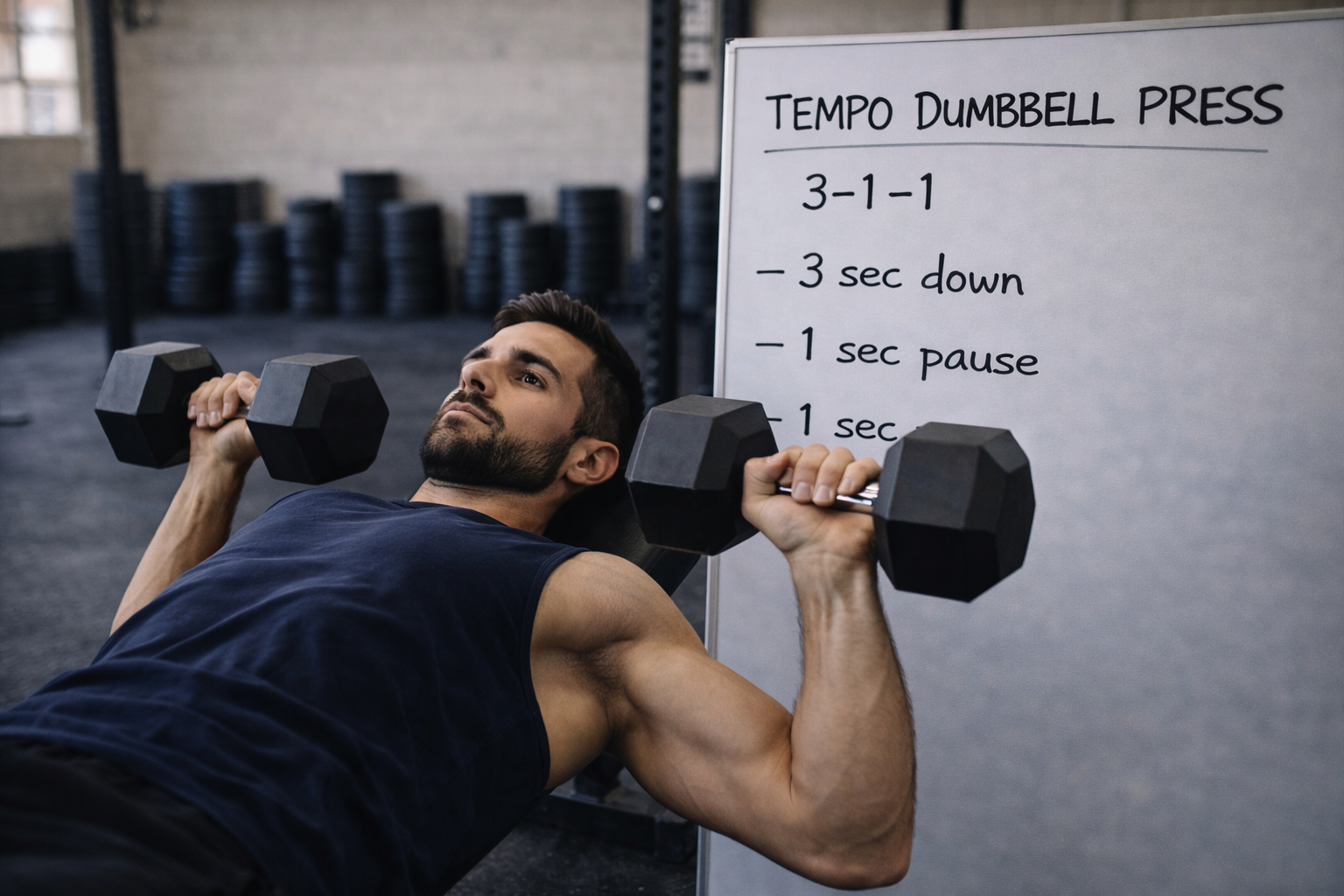
Consider the squat. A back squat, front squat, pause squat, and tempo squat share many similarities, but each presents a somewhat different challenge. Someone who struggles to maintain position at the bottom of a squat might benefit from pause or tempo work. Another person may need more practice producing force with heavier loads.
Those variations aren't interchangeable, but they can support the same larger goal.
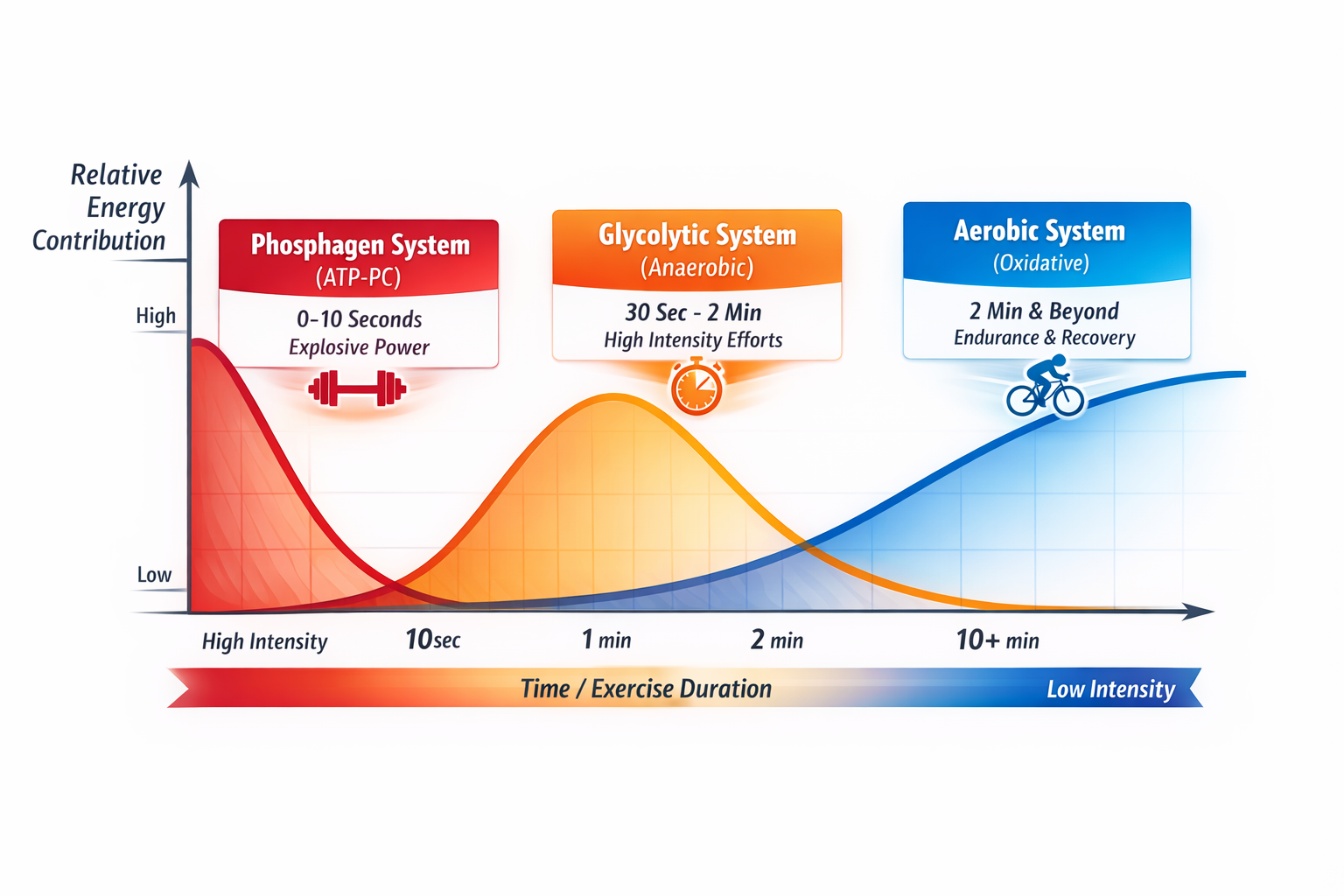
Conditioning works similarly. Running, rowing, cycling, and swimming can all contribute to aerobic fitness, although they also have movement-specific demands. Someone who wants to become a better runner still needs to run, but that doesn't mean every conditioning session has to involve running.
Variety gives us more ways to train, and it can make the process considerably more enjoyable. Most people aren't particularly interested in spending the next twenty years doing the same twelve exercises in the same order. The challenge is keeping training interesting without changing so much that we're constantly starting over.
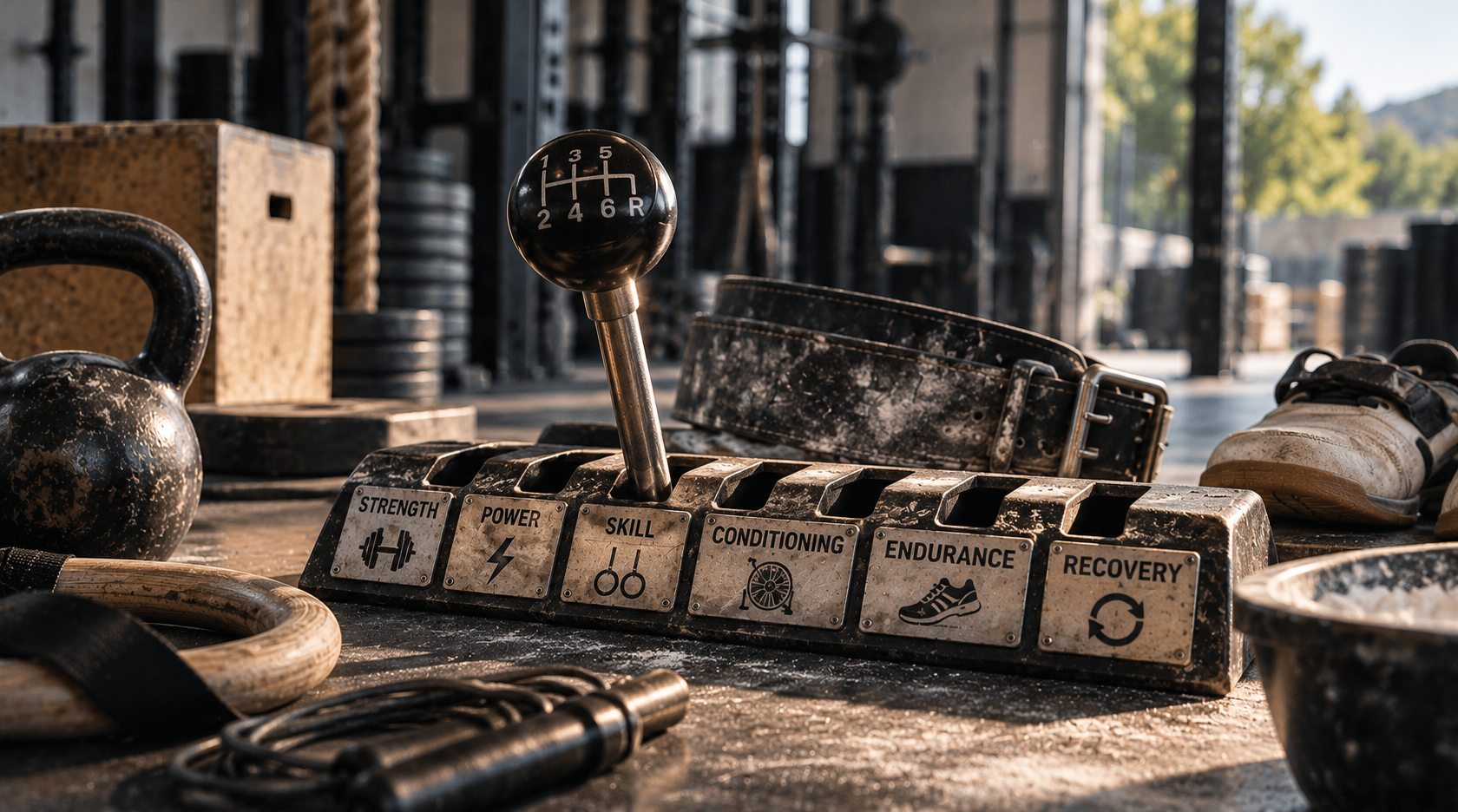
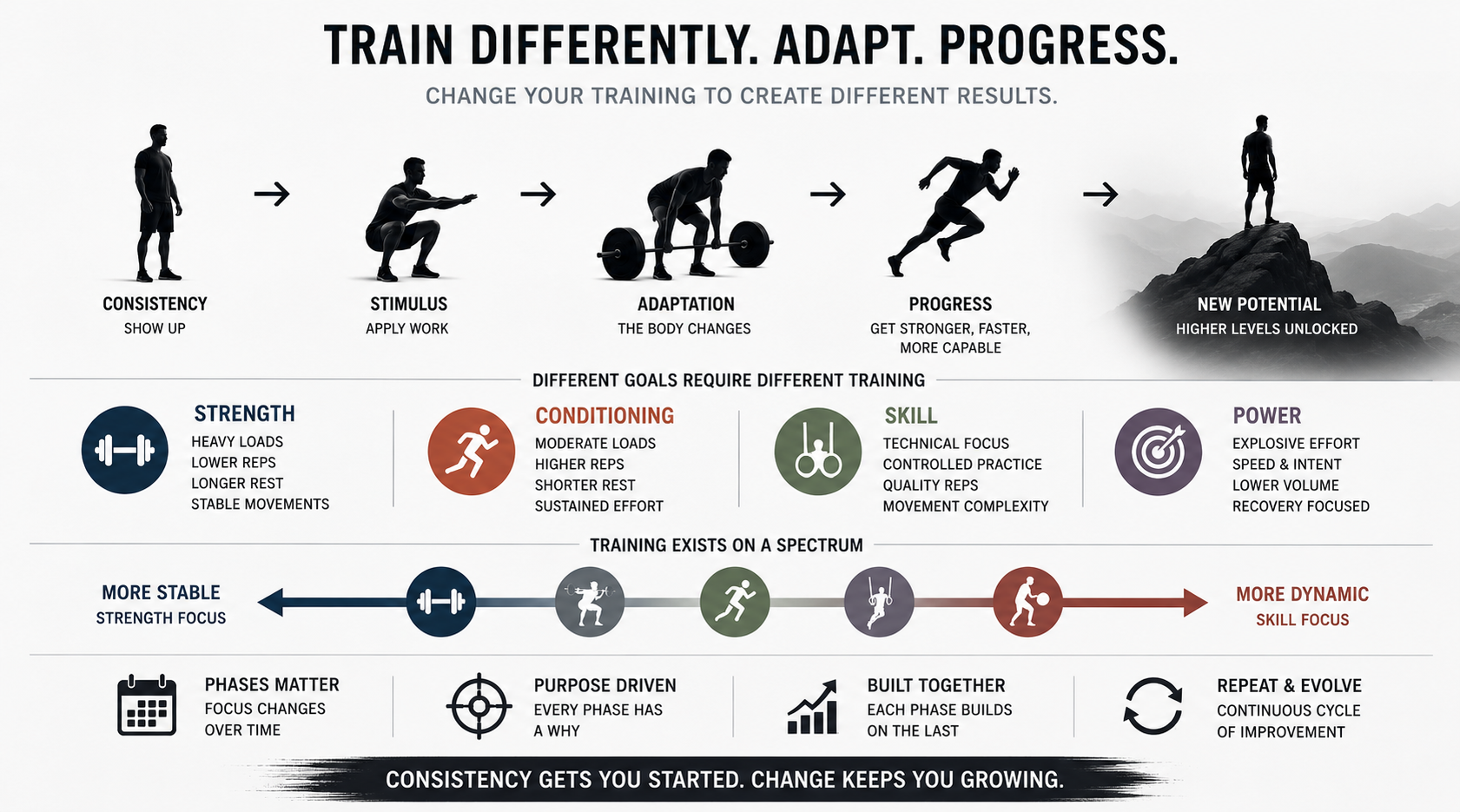
One way to balance specificity and variety is to spend periods of time emphasizing particular qualities while continuing to maintain others.
For example, a training program might devote several weeks to developing foundational strength. Squats, presses, and deadlifts appear regularly, allowing loads and repetitions to progress as athletes adapt. Conditioning, mobility, and skill work remain part of the program, but strength receives a greater share of the attention.
A later period might emphasize power and Olympic lifting. The strength developed earlier provides a useful foundation, while more training time is spent practicing speed, timing, and coordination.
Neither period needs to exclude everything else. The emphasis simply changes how training time and recovery are allocated.
This approach becomes especially useful when you're trying to develop several different abilities. Strength, endurance, power, and technical skill all need attention, but there are limits to how much productive work you can fit into a week. Trying to maximize everything simultaneously usually means something doesn't receive enough attention, or the total workload becomes difficult to recover from.
A period of focused training gives us time to make meaningful progress in one area while keeping other qualities reasonably intact. Later, we can shift that attention without having to rebuild everything from scratch.
It's easy to associate variety with doing different exercises, but changing the movement is only one way to change a training session.
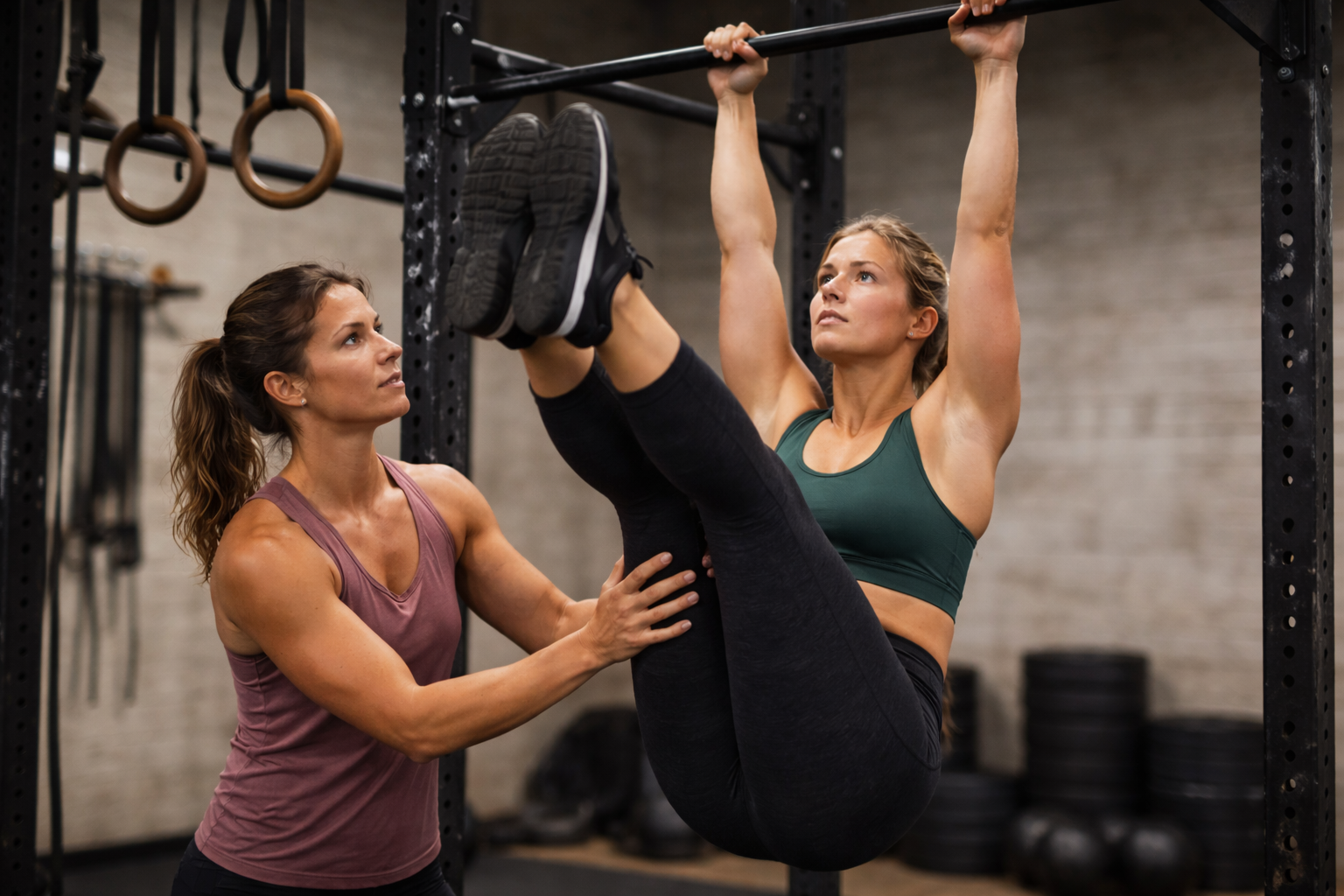
Take a simple workout involving running and pull-ups. Depending on the distances, repetitions, movement variations, rest periods, and intended pace, we can create very different training demands using essentially the same exercises.
One version might emphasize sustained aerobic work. Another could challenge gymnastics endurance. A shorter version might demand a much higher output, while a session with controlled rest could emphasize movement quality or repeatable efforts.
The exercises haven't changed much, but what we're asking the athlete to accomplish has.
The opposite can also happen. Two workouts might contain entirely different movements yet create very similar demands on the body. Changing every exercise doesn't automatically mean we're developing something new.
This is one reason good programming requires more thought than choosing movements that haven't appeared recently. The movements matter, but so do the loads, repetitions, rest periods, and intended effort.
Repetition serves another purpose: it makes progress easier to recognize.
If we never revisit movements, loads, distances, or workouts under reasonably similar conditions, we lose useful reference points. We may feel fitter, but it's harder to tell exactly what has improved.
That doesn't mean every repeated workout needs to become a competition with your previous score. Most training sessions should be opportunities to develop fitness, not prove it.
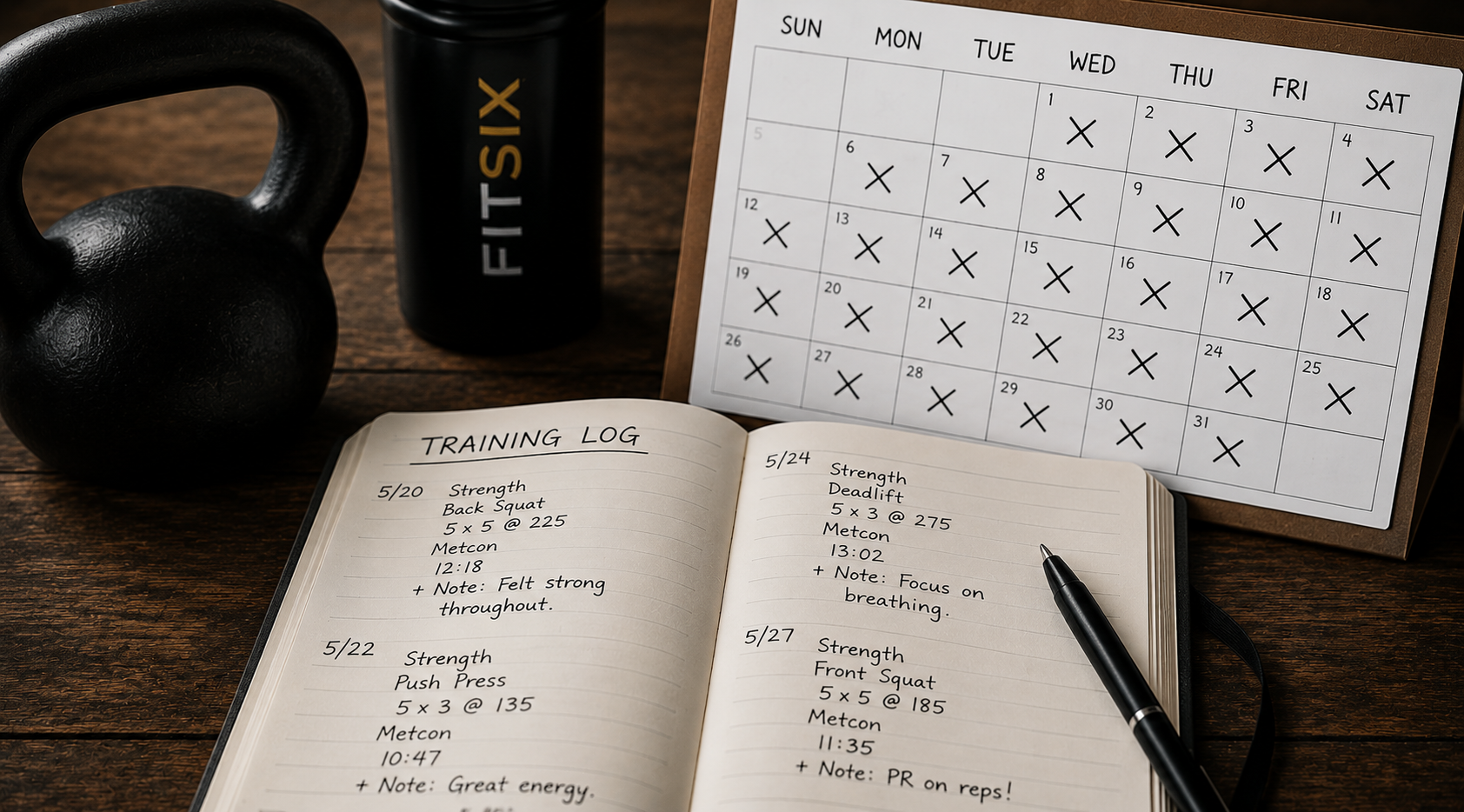
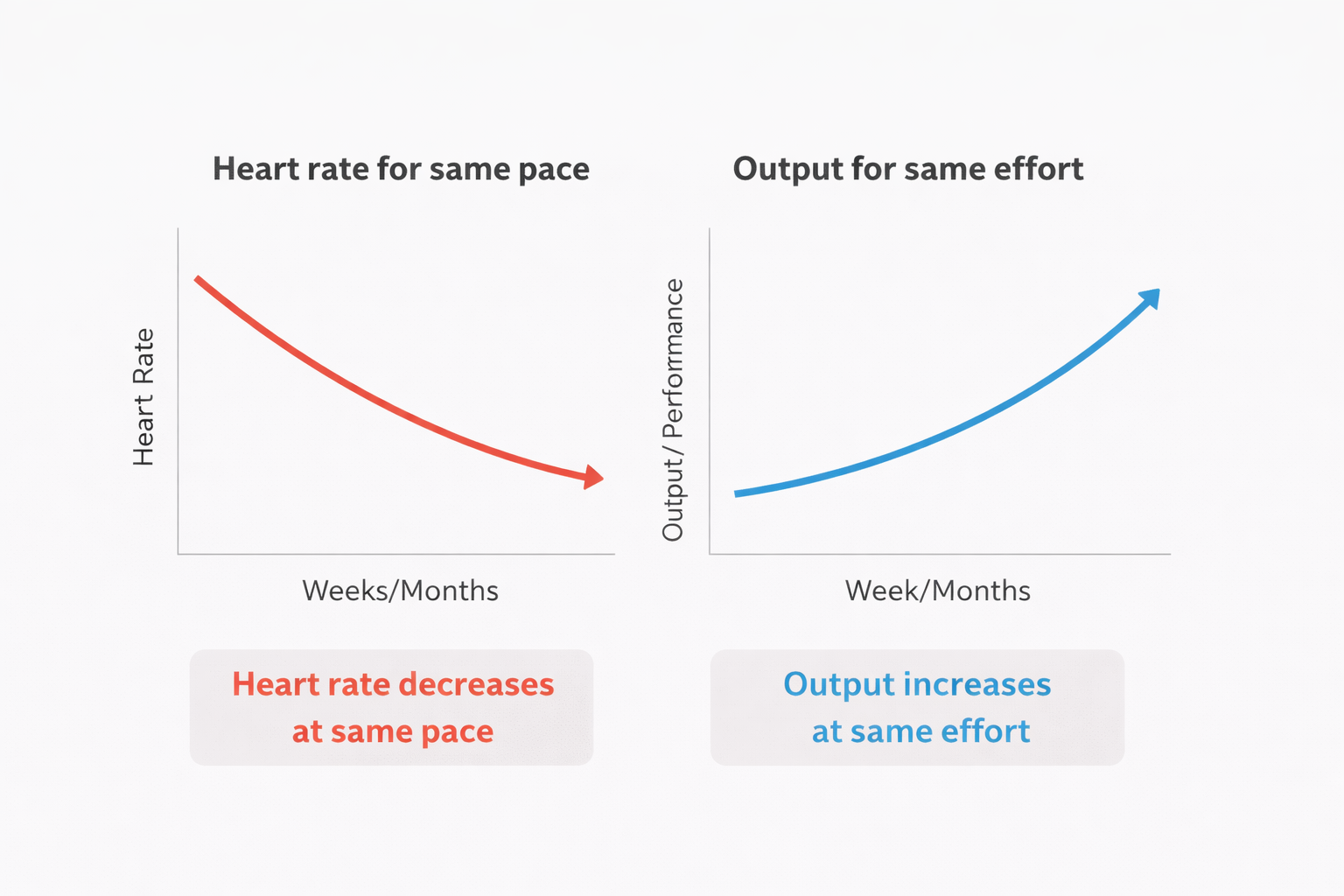
Still, familiar work provides information. A weight that required considerable effort two months ago may now move more comfortably. A running pace that once felt difficult might become sustainable for a longer period. A gymnastics movement may become smoother or more consistent even when the total number of repetitions hasn't changed.
Those improvements don't always come with personal records or particularly impressive numbers. Sometimes the clearest sign of progress is that something difficult has become ordinary.
Repeated exposure also helps coaches make better decisions. Watching someone perform a movement over several weeks makes it easier to recognize patterns, identify limitations, and decide when to increase the challenge. A single workout gives us a snapshot, while repeated sessions help us understand what's changing.
There are times when changing things feels productive simply because the new version is harder or unfamiliar.
A complicated workout can be entertaining. It can also make it difficult to distinguish whether someone is limited by strength, conditioning, technical skill, or simply by unfamiliarity with the movements.
There's nothing inherently wrong with learning new things or occasionally doing a workout that's outside your comfort zone. Those experiences have value. But if every session introduces a new collection of movements and demands, it becomes harder to build on previous work.
The same problem can occur when someone frequently switches training programs. A few weeks of one strength plan, followed by a new routine found online, followed by another approach because progress didn't happen immediately, rarely gives any of those methods much opportunity to work.
That doesn't mean you should stay with an ineffective program indefinitely. It means useful training changes should be based on what is or isn't working, rather than how recently something new caught your attention.
Consistency gives us a chance to evaluate a program. Variety helps us adjust it when there's a reason to do so.
A good training program should contain a reasonable amount of both familiar and unfamiliar work. Certain movements or abilities should receive repeated attention, particularly when they're a current priority. Other sessions should expose you to different demands so that your fitness doesn't become unnecessarily narrow.
You should also be able to identify some progression over time. Maybe you're lifting more weight, performing better repetitions, sustaining a faster pace, or recovering more effectively between efforts. Progress won't always be linear, and every workout doesn't need to produce a measurable improvement, but there should be a general direction to the work.
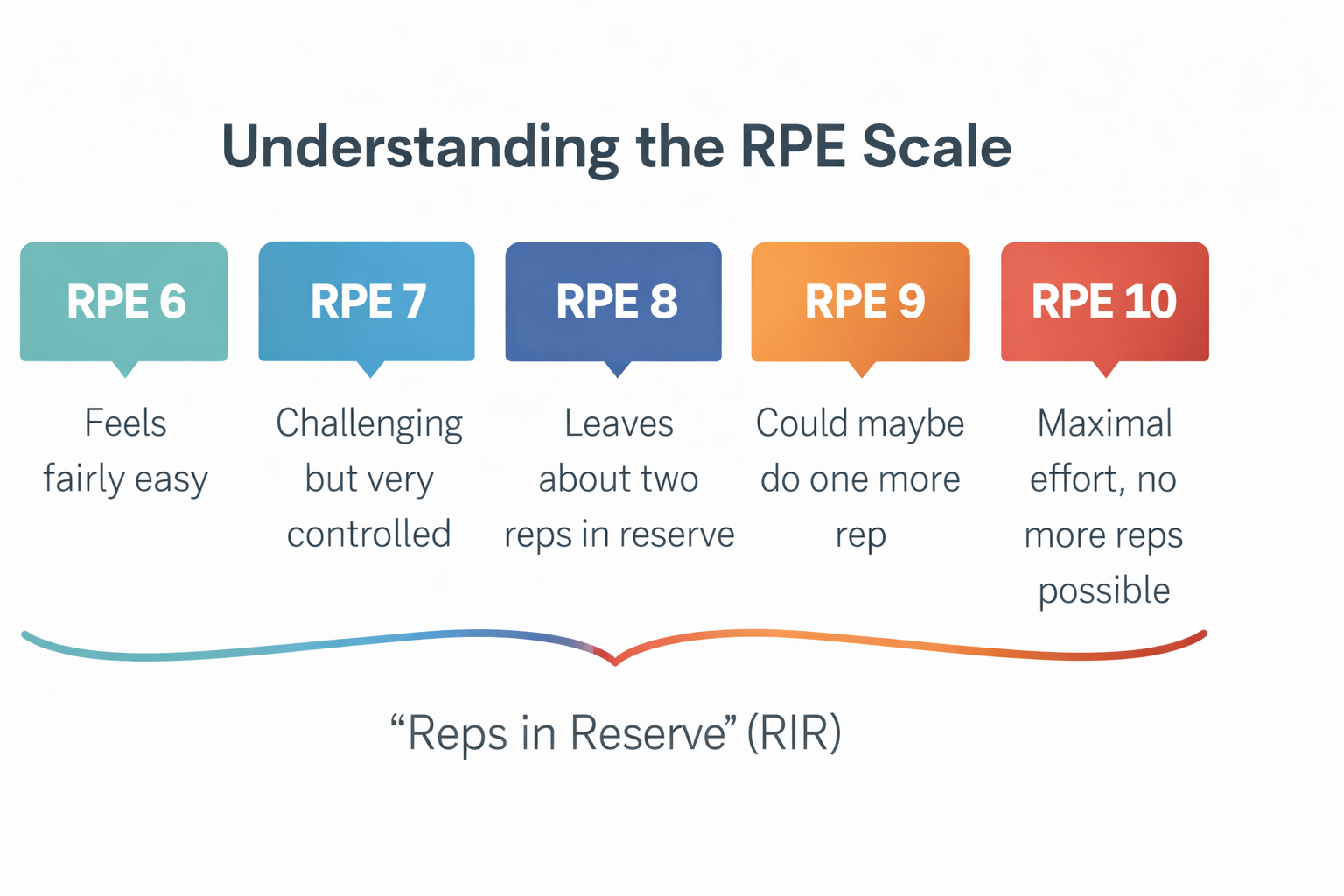
When a familiar movement appears again, it's worth looking beyond whether you're doing the same exercise. Consider what's changed since the last time you performed it. The load, tempo, repetitions, rest periods, or intended effort may be different, and those changes may be exactly what the progression calls for.
If you're unsure why something keeps appearing in your training, ask your coach. There should be a reason, even if the explanation is simply that you need more practice or that we're gradually increasing your tolerance for a particular type of work.
And when something new shows up, the same question applies. What does this variation allow us to develop that we weren't getting from the previous approach?
Those are useful questions whether you've been training for six months or twenty years.