Why Strength Matters: What We’re Really Building When We Get Stronger
Strength training does more than improve your lifts. Learn how getting stronger builds muscle, resilience, independence, and capacity for life.
By
September 21, 2026
Last week we talked about the relationship between strength and power. If you want to move something quickly, it helps to first have the ability to produce enough force to move it at all. But that only explains one reason we spend so much time getting stronger.
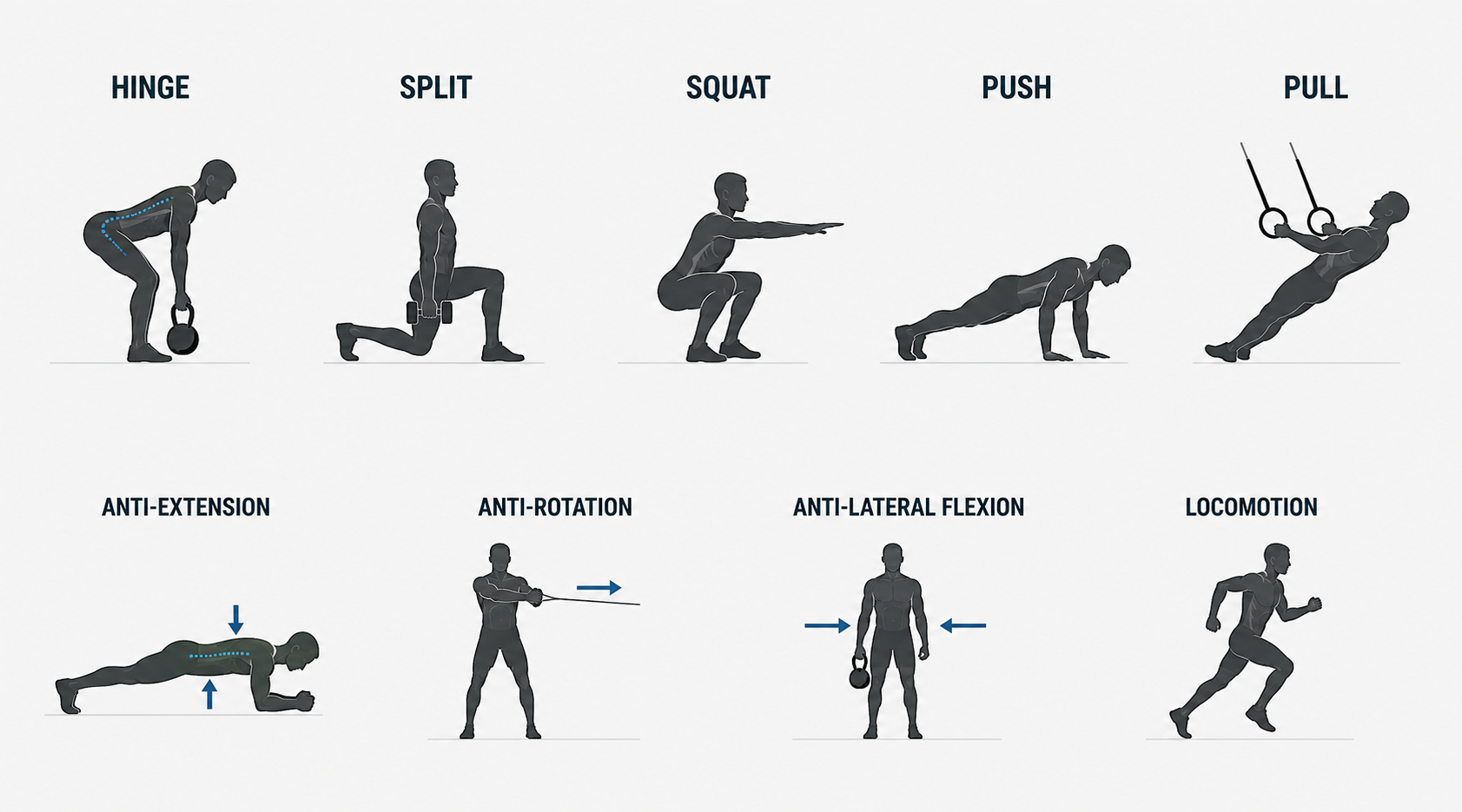
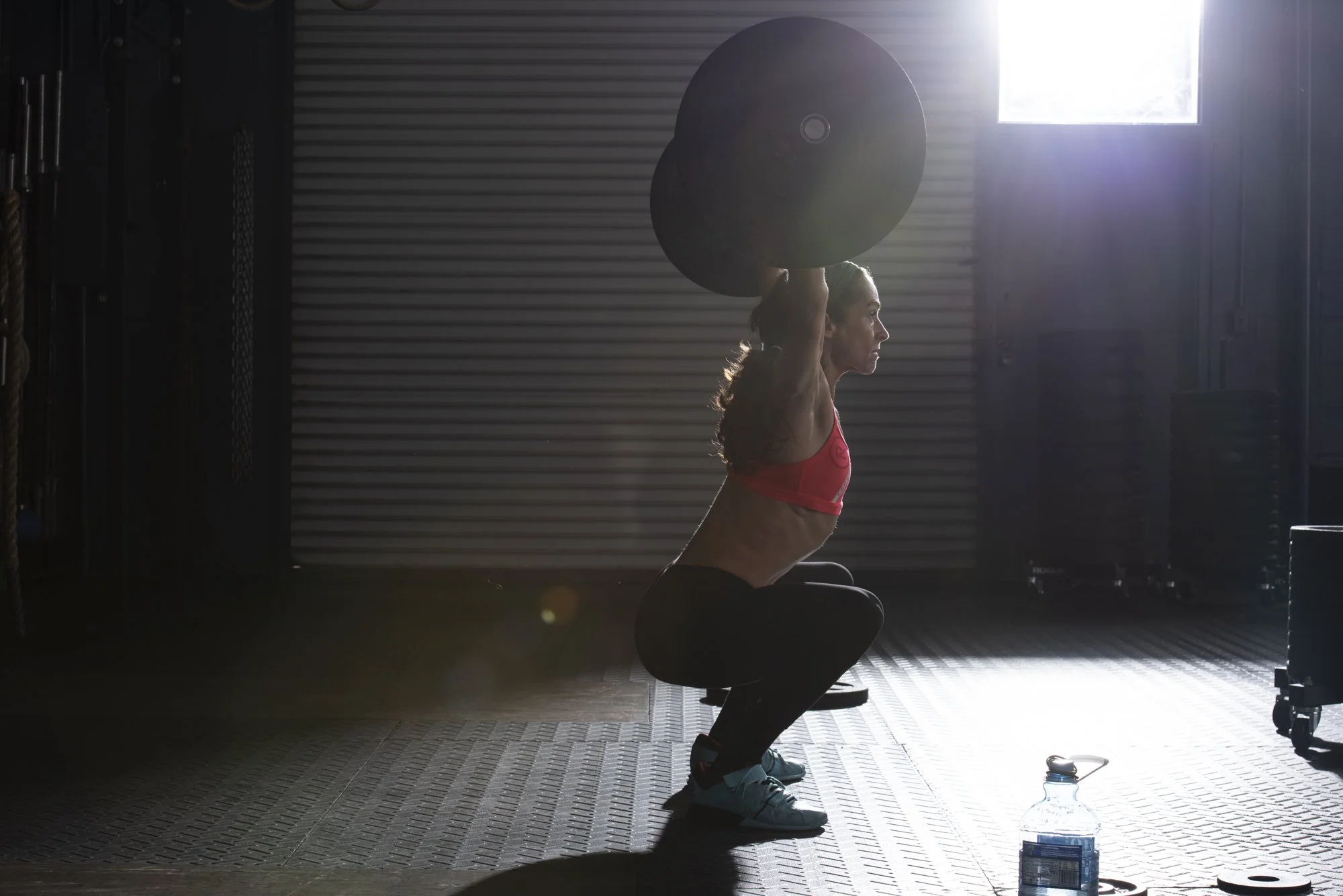
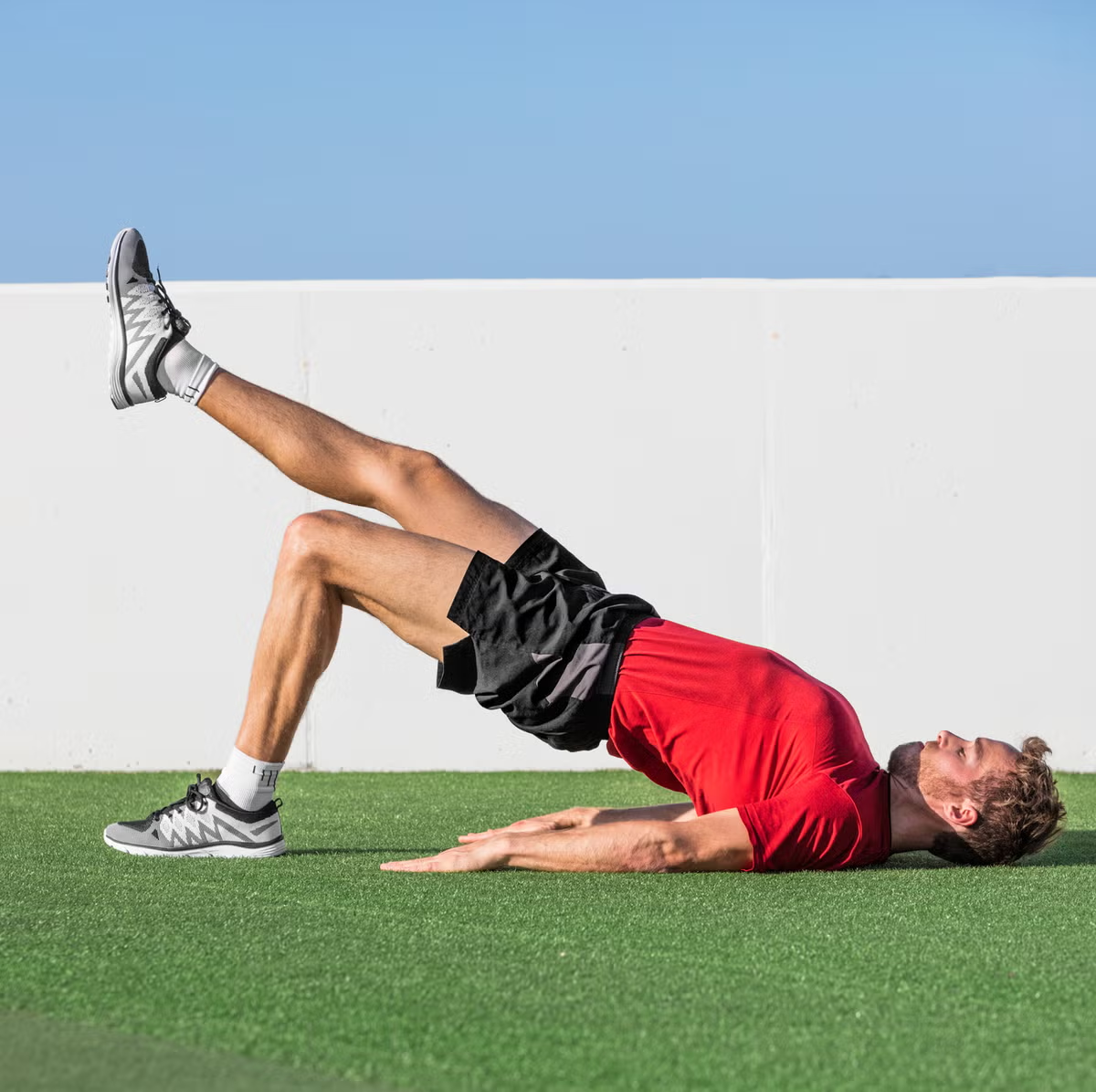
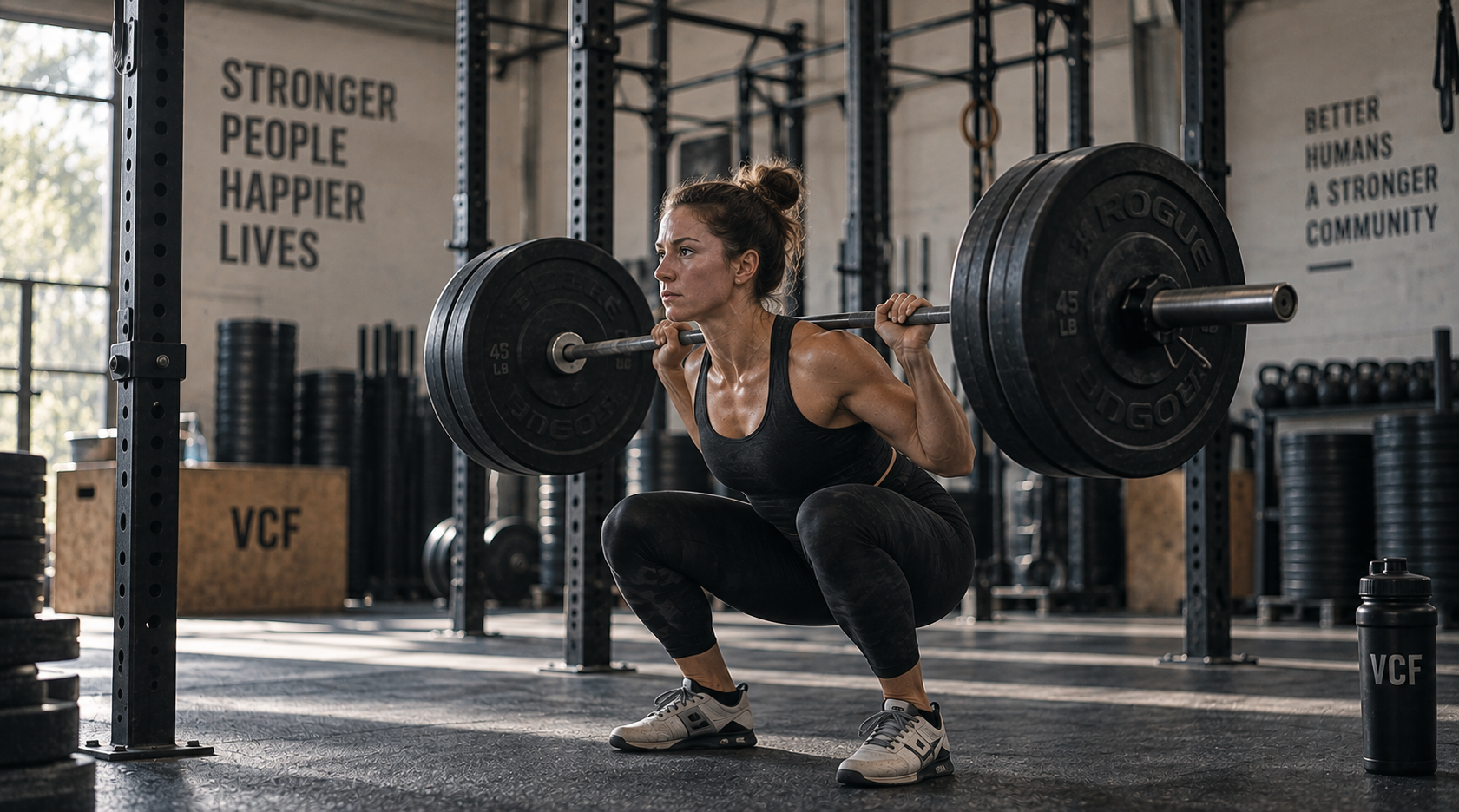
Strength shows up everywhere in our training. We squat, press, pull, carry, hinge, lunge, and move our own body weight. Sometimes we spend an entire portion of class doing it. At other times, strength work is hiding inside a workout that doesn't look much like a traditional lifting session.
We don't do all of that just because putting more weight on the bar is satisfying, although it certainly can be. We get stronger because strength increases what we're physically capable of doing.
At its simplest, strength is the ability to produce force. In the gym, that's easy to measure. If your deadlift goes from 185 pounds to 225, you've gotten stronger.
The more interesting question is what happens to everything below your maximum.
If you can deadlift 185 pounds and need to pick up something weighing 100 pounds, that's a meaningful percentage of your strength. If you eventually become capable of deadlifting 275, that same 100-pound object hasn't changed, but your relationship to it has.
This applies to more than barbells. Getting off the floor, carrying luggage, picking up your kid, moving furniture, hiking uphill with a pack, putting something heavy on a shelf, or helping a friend move all require some amount of force. The stronger you are relative to the task, the more reserve you have available.
That's one of the reasons strength can make life feel easier without the demands of life changing at all.
Getting stronger and building muscle aren't exactly the same thing, but they overlap enough that it's worth talking about both.
Muscle isn't just something we build for appearance. It's tissue that lets us produce force, control our joints, absorb load, move through the world, and keep doing those things as we get older.
That becomes increasingly important because maintaining muscle isn't automatic. As we age, preserving strength and lean mass becomes part of maintaining physical capacity. Resistance training gives the body a reason to keep tissue that it otherwise has less reason to maintain.
This doesn't mean everyone needs to chase maximum muscle mass or turn every training block into bodybuilding. It means having enough muscle to meet the demands of your life, with some capacity left over, is a useful thing.
The reserve matters.
Strength also changes the cost of other movements.
Imagine two people doing a workout with the same 95-pound barbell. If that weight is close to one person's maximum and relatively light for the other, they aren't really being asked to solve the same problem. One athlete is repeatedly producing something close to maximal force while the other has much more room to move efficiently and keep working.
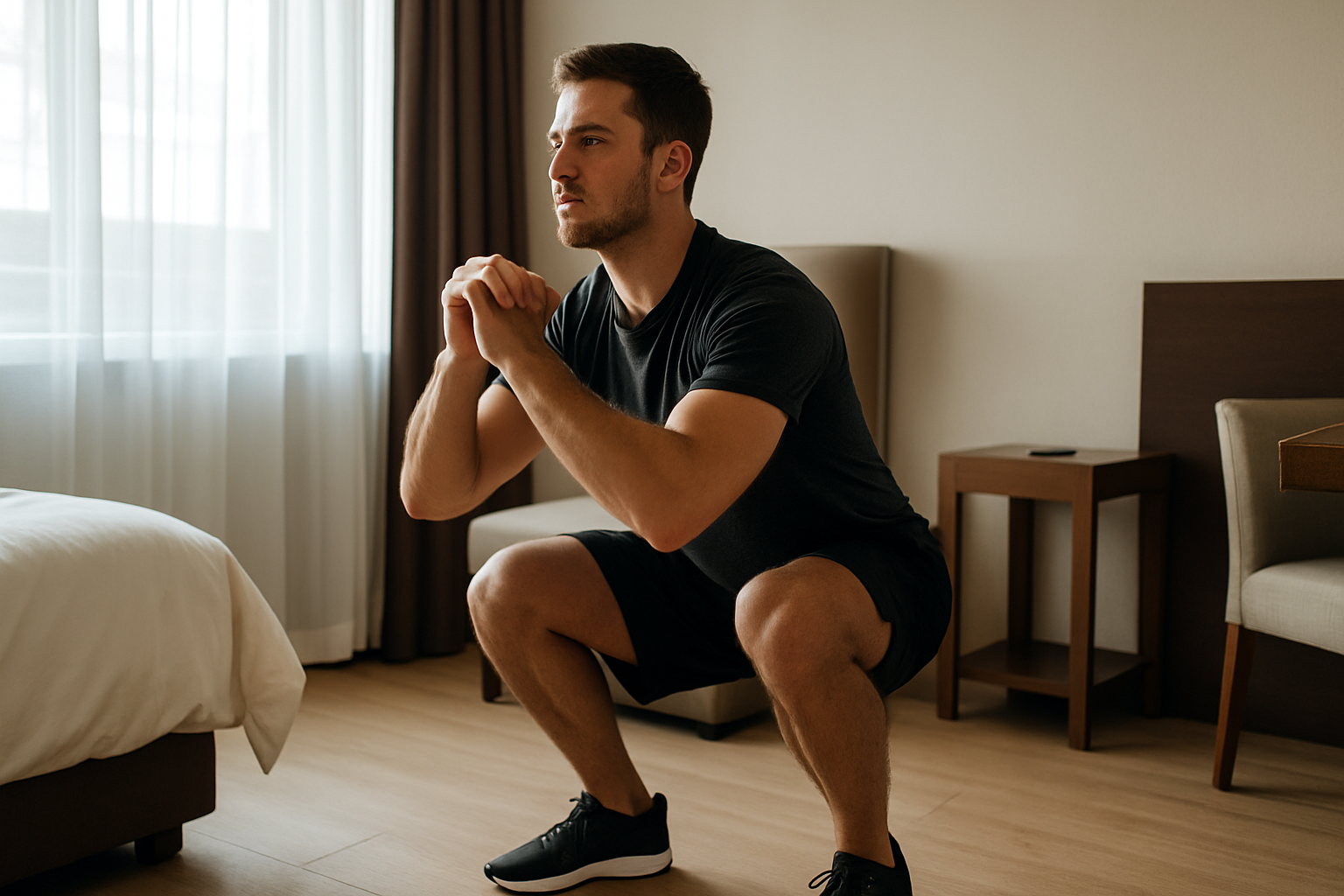
The same idea shows up in bodyweight movements. Standing from a squat, pushing yourself off the floor, pulling your body toward a bar, or stabilizing yourself overhead all require strength. Conditioning determines how long you can keep doing those things, but you first need enough capacity to perform them.
Getting stronger doesn't automatically give you endurance, technique, coordination, or skill. We've already talked about why those qualities need their own attention. But strength can raise the ceiling underneath a lot of what we do.
Sometimes improving a workout isn't about becoming better at suffering through it. It's about making each individual rep cost less.
Training doesn't only teach us to produce force. Done well, it gradually exposes the body to forces it has to learn to tolerate.
Muscles, tendons, connective tissue, and bones respond to loading. We aren't trying to protect the body from stress entirely. We're trying to expose it to appropriate amounts of stress, recover from it, and become better prepared for the next exposure.
That's one of the reasons progression matters.
The goal isn't to walk into the gym and prove how much stress your body can survive today. We want to apply enough load to create a reason to adapt without constantly exceeding what you can recover from.
Over weeks, months, and years, what used to be a substantial demand can become routine.
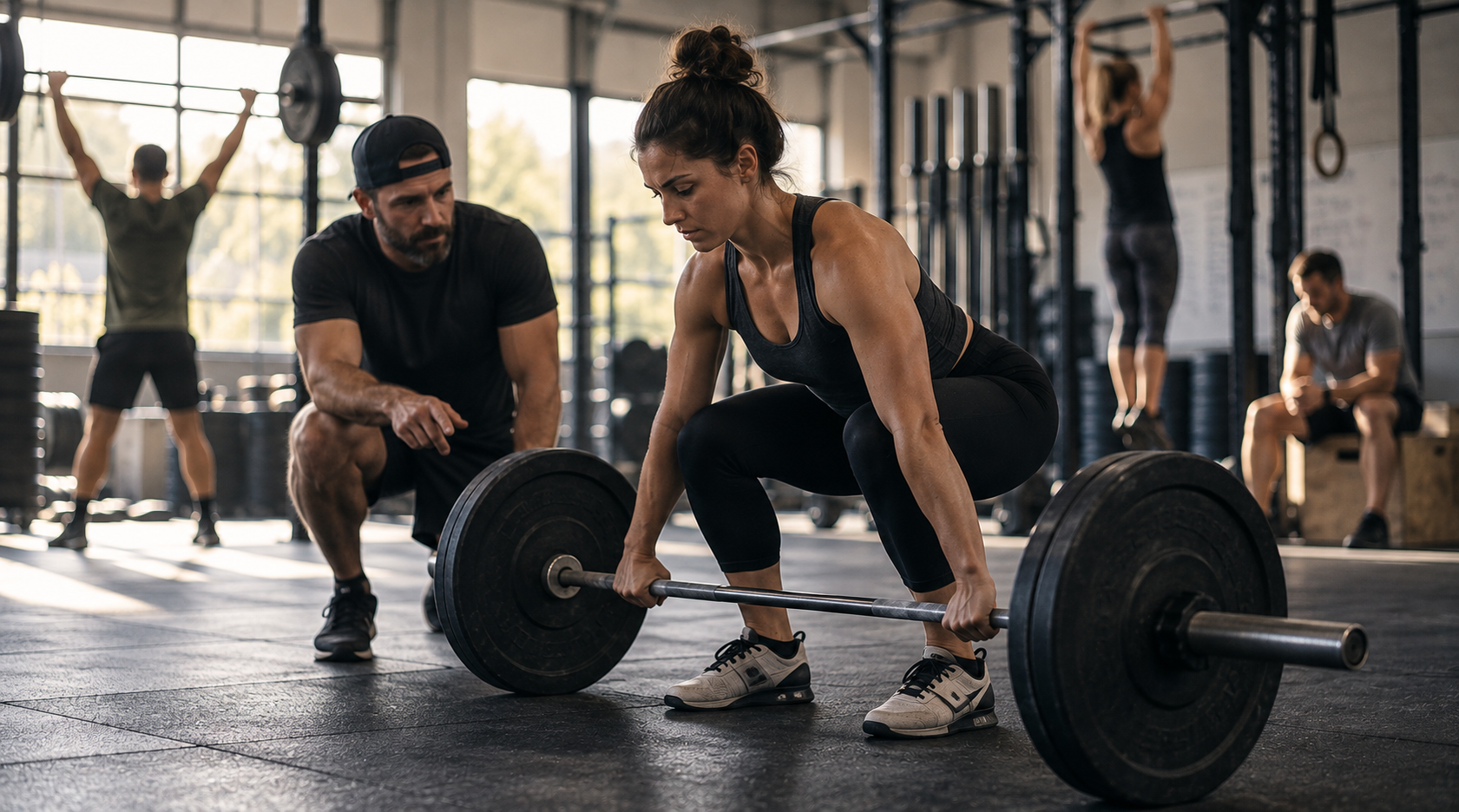
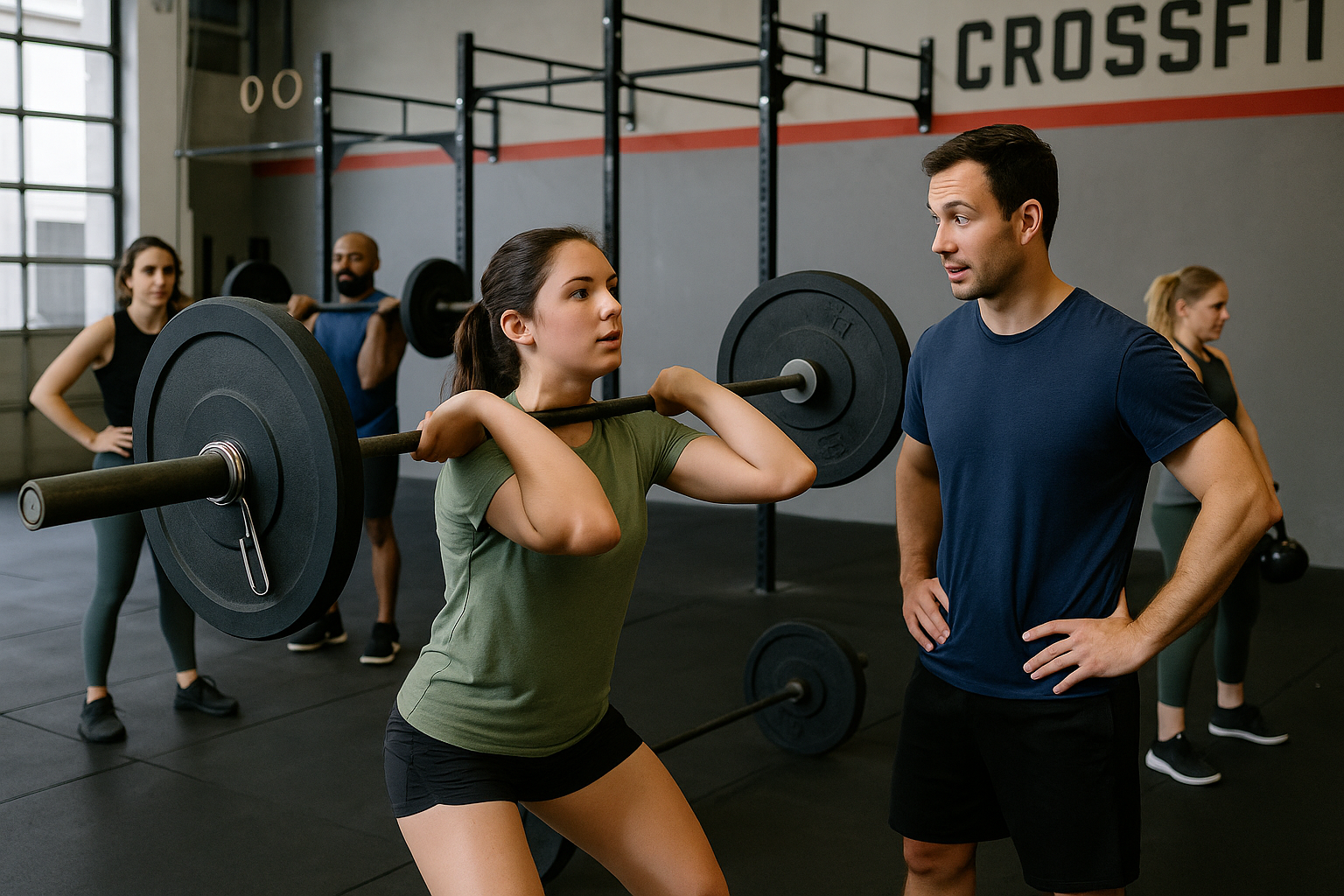
A coach's job in that process isn't simply to encourage you to add weight. Sometimes that's exactly what you need. Other times the useful decision is to repeat a load, adjust the movement, clean up a position, or back off because what your body can productively train today isn't necessarily the same as what it managed last Tuesday.
Strength is built through loading. Good strength training is built through managing that loading well.
It's easy to think about strength in terms of PRs because those are the moments we notice. A new squat or deadlift is obvious evidence that something changed.
But there's another way to think about it.
What do you want to still be able to do twenty, thirty, or forty years from now?
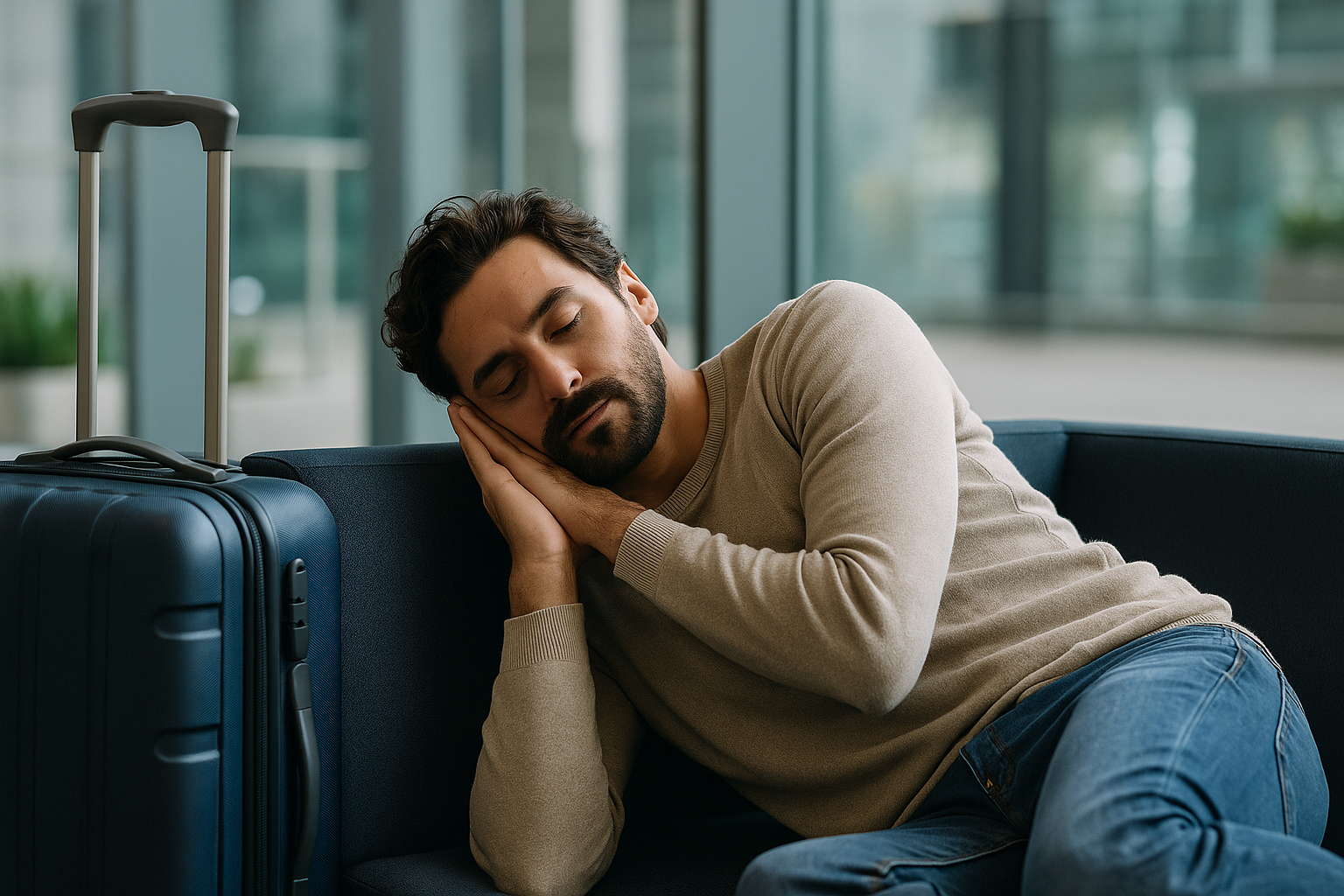
Most of us probably aren't worried about our future one-rep max. We care about being able to travel, hike, play a sport, get ourselves off the ground, carry our own things, help our families, and continue participating in the parts of life we enjoy.
Those are strength problems too.
As we get older, the standard doesn't need to be maintaining the absolute peak performance of our twenties or thirties forever. The useful goal is maintaining enough capacity that normal life stays comfortably below our limits for as long as possible.
Building more capacity now gives us more to preserve later.
This is where strength training can get distorted if the gym becomes the only place we measure its value.
The number on the bar matters because it gives us useful information. It tells us whether the training is working and helps us decide what loads make sense next. Getting stronger can also be fun in its own right. There is nothing wrong with caring about your squat or wanting a bigger deadlift.
But those numbers are proxies for something larger.
We're trying to become more capable.
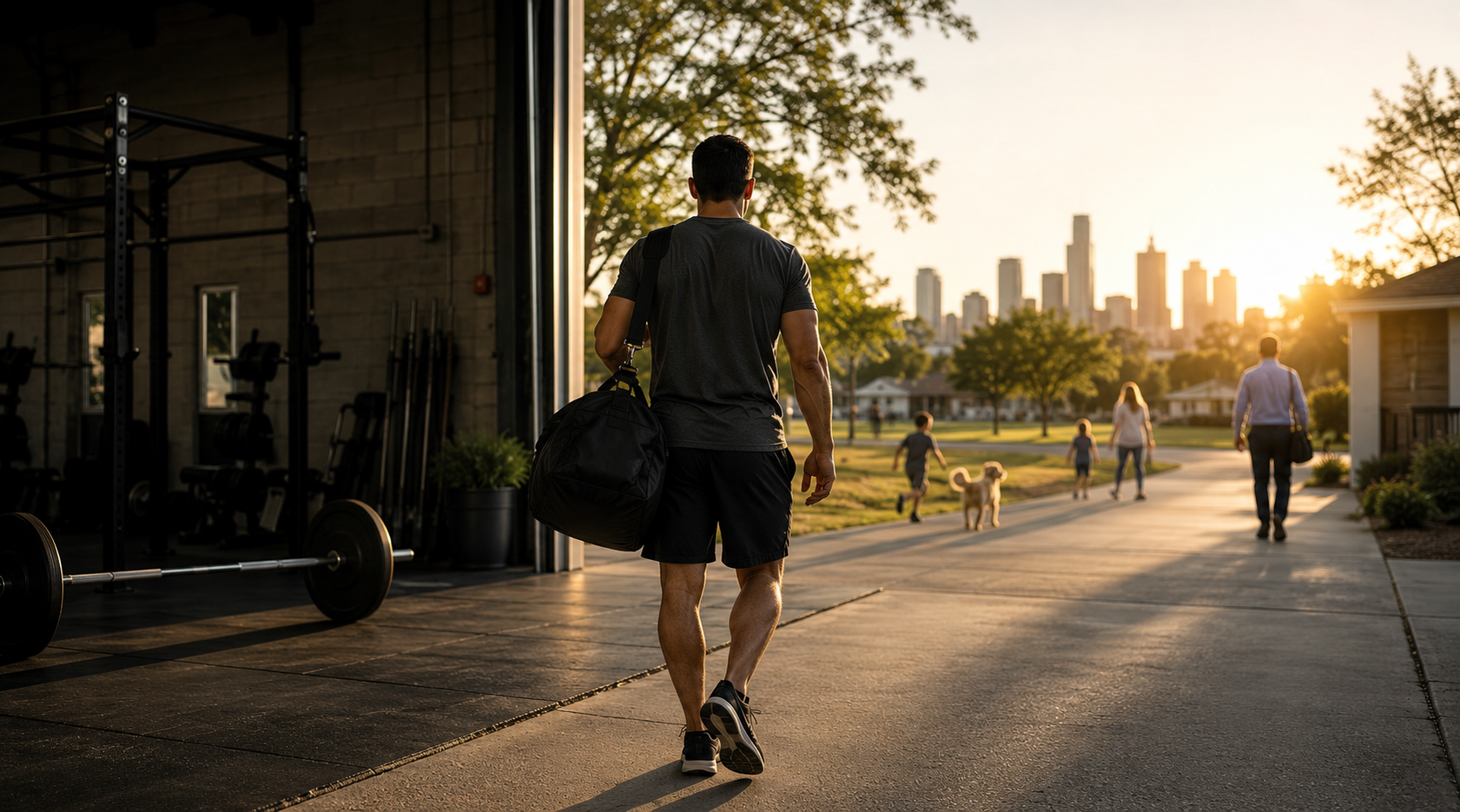
That might mean lifting more weight in a workout. It might mean being able to choose a heavier backpack without thinking about it, carry all the groceries in one trip because apparently two trips are unacceptable, or get through a long day without ordinary physical tasks feeling particularly demanding.
And eventually it may simply mean continuing to do things independently that other people your age have started avoiding.
The barbell is one of the tools we use to build that capacity. The weight on it gives us something objective to train and measure. The real value shows up in everything that strength allows us to keep doing away from it.
That's why we keep coming back to getting stronger.