How Often Should You Train? Finding the Right Balance Between Frequency and Quality
There's a common assumption in fitness that the more often you train, the better your results will be. Someone who works out five days a week must be making more progress than someone who trains three. And if five days are good, surely six would be even better.
Sometimes that's true. More frequent training creates additional opportunities to build strength, develop endurance, practice skills, and accumulate the work necessary to improve. But those opportunities only matter if the training is productive and you can recover from it.
Someone training three days a week with intention, consistency, and appropriate effort may make better progress than someone attending five classes without much regard for what they're doing. On the other hand, someone training five days a week with a well-structured program and adequate recovery may accomplish things that would be difficult with only three sessions.
Neither frequency is inherently better. The more useful question is how much training you need to accomplish what you're trying to achieve, and how much additional benefit you're actually getting from doing more.
More Training Isn't Automatically Better
Training works by exposing the body to demands that encourage adaptation. Strength training places mechanical tension on muscles and challenges the nervous system. Conditioning challenges the cardiovascular and metabolic systems. Skill work improves coordination, timing, and movement efficiency through repeated practice.
Those adaptations require sufficient exposure. If you're trying to build strength but only challenge a particular movement once every few weeks, progress will probably be limited. Similarly, someone hoping to improve their aerobic capacity will generally benefit from more frequent cardiovascular work than someone whose only conditioning comes from an occasional workout.
More sessions can provide additional opportunities to accumulate productive work without having to cram everything into one or two exhausting workouts.
Consider two athletes performing the same weekly amount of strength training. One completes all the work in a single long session, while the other distributes it across three shorter sessions. The second athlete may be able to maintain better performance across sets, approach each movement with less accumulated fatigue, and recover more comfortably between sessions.
But there's an important distinction here. When total training volume is comparable, research generally finds that simply increasing the number of weekly strength sessions doesn't necessarily produce greater muscle growth or strength gains. Frequency is often valuable because it helps distribute training volume, preserve performance, and provide opportunities to practice.
This also helps explain why more training doesn't always produce proportionally better results.
Someone moving from no exercise to three days of structured training may experience dramatic improvements in strength, endurance, and general health. Moving from three days to five can produce further improvements, but the additional benefits may be smaller than those gained from establishing the initial habit.
That doesn't mean additional training is unnecessary. It means we should consider what those extra sessions contribute rather than assuming more time in the gym automatically produces better results.
Three Days, Five Days, and the Value of Additional Sessions
For many people, three well-structured training sessions per week can produce substantial improvements in strength, cardiovascular fitness, movement quality, and general health.
Three days provide enough exposure to challenge most major movement patterns, develop conditioning, and establish a consistent training habit. For someone balancing work, family, and other responsibilities, that may represent a very productive relationship between the time invested and the benefits received.
Moving from three sessions to four or five creates additional opportunities for development. There's more room for dedicated strength work, longer aerobic sessions, gymnastics practice, or other qualities that can be difficult to develop when everything must fit into three hours of training.
The value of those additional sessions depends partly on what happens during them.
Imagine two members who both attend three classes each week. One arrives consistently, pays attention to the intended stimulus, chooses appropriate loads, and makes an effort to improve the movements being trained. The other approaches every workout with the primary goal of finishing as quickly as possible or lifting as much as possible, regardless of what the session is designed to accomplish.
Their training frequency is identical, but the demands they're placing on their bodies are different. The first member is more likely to accumulate training that aligns with the intended adaptations, while the second may be creating unnecessary fatigue or missing opportunities to develop specific qualities.
Adding two more sessions to either person's week doesn't change that distinction. It simply provides more opportunities to reinforce whatever approach they're already taking.
This is why we spend time discussing the purpose of individual workouts. A longer aerobic session, a controlled strength workout, and a short, intense conditioning piece can all be productive, but they shouldn't necessarily feel the same.
Five classes a week might provide an excellent balance of strength, conditioning, and skill development. Or those same five classes could become a collection of hard efforts that leave someone perpetually tired without addressing the qualities they actually want to improve.
The number of sessions tells us something about training exposure. It doesn't tell us everything about training effectiveness.
Recovery and the Limits of Productive Training
Training provides the stimulus for adaptation, but your ability to benefit from that stimulus depends partly on recovery.
Sleep, nutrition, psychological stress, work demands, and accumulated fatigue all influence how prepared someone is to train. This is one reason two people following the same program can respond differently.
Someone sleeping eight hours a night, eating adequately, and working a relatively predictable schedule may tolerate five or six training sessions comfortably. Someone sleeping six hours, managing a demanding job, and raising young children may struggle to recover from the same workload.
Their available recovery resources are different, and their training should account for that.
It's also important to recognize that not all training sessions create the same recovery demands.
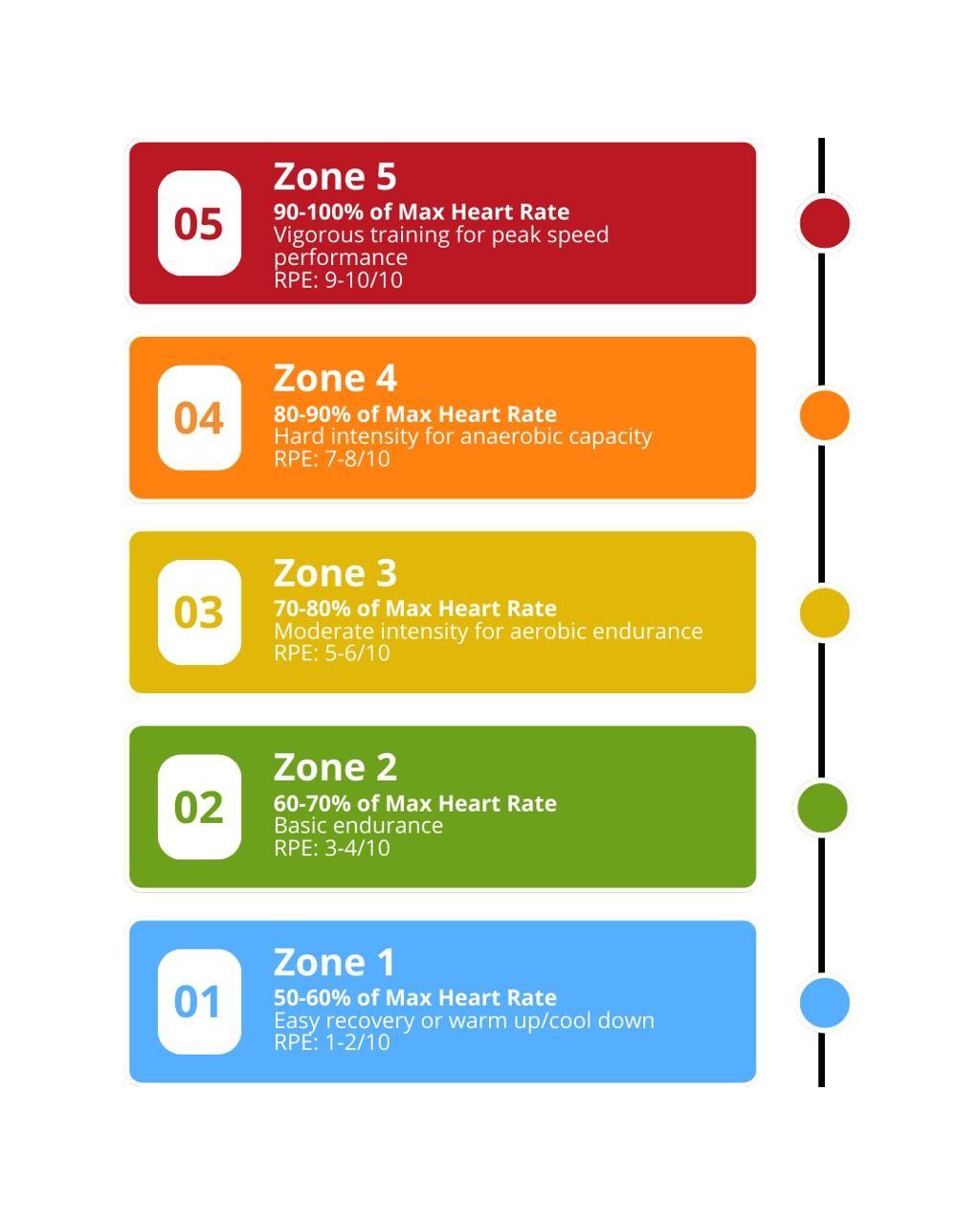
An easy aerobic session, a moderate technique-focused workout, and a demanding session of heavy squats followed by intense conditioning place different stresses on the body. Five training days that include a sensible distribution of those demands can be more manageable than four consecutive days of maximal effort.
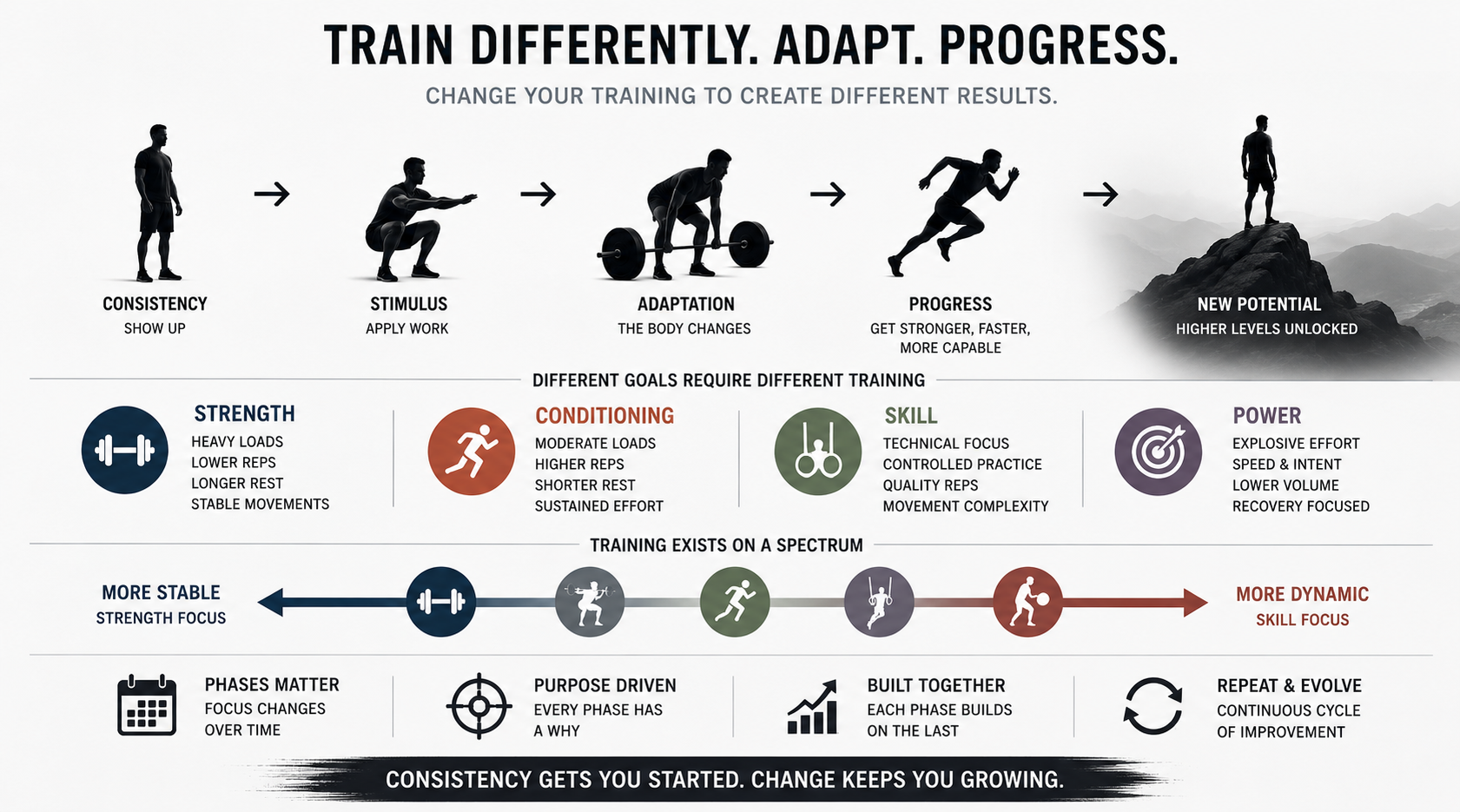
This is one reason our programming changes emphasis throughout the year. We aren't trying to maximize strength, power, gymnastics, and conditioning simultaneously. By shifting priorities and managing how much work we dedicate to each quality, we create room for meaningful development without constantly pushing every system to its limit.
Recovery also isn't simply about whether you're sore or tired. Someone might feel capable of completing another workout while still carrying enough accumulated fatigue to compromise performance in subsequent sessions.
If adding a fifth day consistently reduces the quality of your other four sessions, it's worth reconsidering what that additional day is accomplishing.
Sometimes the adjustment is to train less frequently. Other times, it's to change the type or intensity of training rather than eliminate a session altogether.
Consistency and Knowing When to Add More
One of the most overlooked aspects of training frequency is sustainability.
A five-day training schedule might look ideal on paper, but if someone can only maintain it for a few weeks before work, family, or fatigue gets in the way, it may not be the best choice.
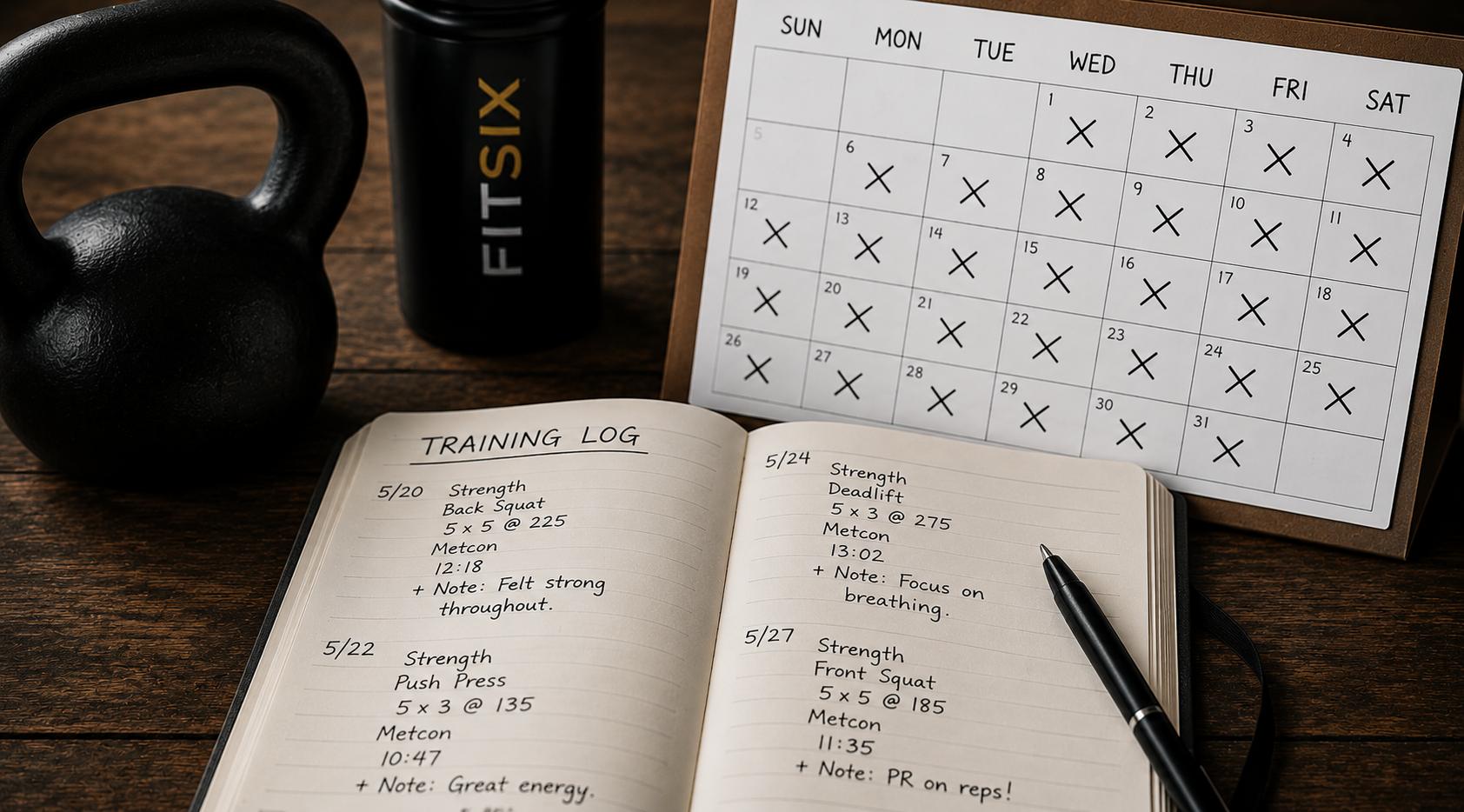
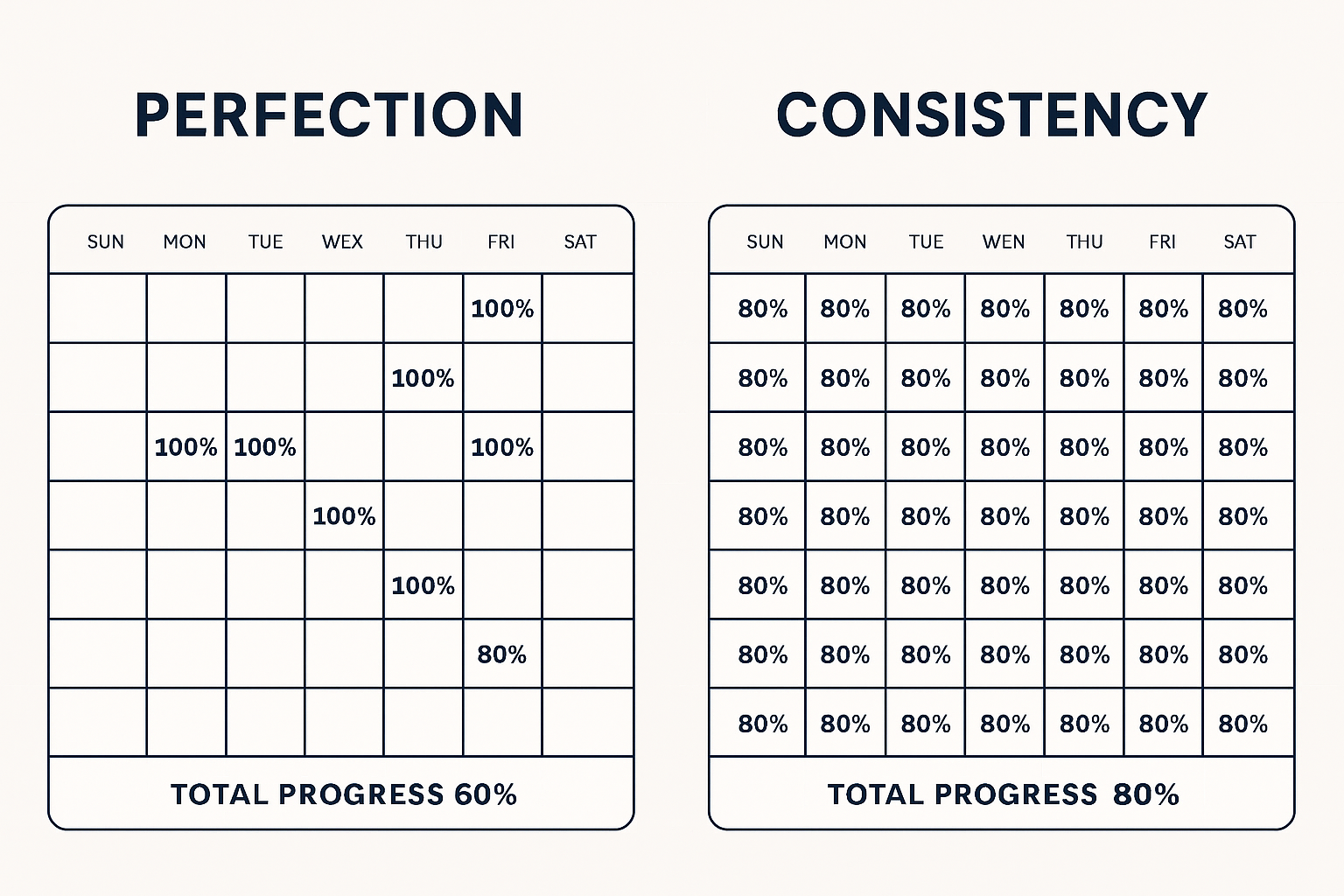
Three sessions completed consistently for a year provide roughly 150 opportunities to train. Five sessions completed sporadically, with frequent missed weeks and long interruptions, may provide fewer productive exposures despite the more ambitious schedule.
Of course, consistency doesn't make every program equally effective. Someone can consistently follow a poorly designed program and eventually stop making progress. But a good program that someone can actually follow has an enormous advantage over an idealized schedule that repeatedly falls apart.
This is particularly relevant for adults who have responsibilities outside the gym. Training competes for time and energy with work, relationships, family, sleep, and other interests. Those demands aren't necessarily obstacles to fitness. They're part of the life that fitness is supposed to support.
We'd rather help someone establish three dependable training days than encourage five and watch them repeatedly struggle to meet that expectation.
But there are legitimate reasons to increase training frequency.
Perhaps your strength has plateaued because you aren't accumulating enough challenging work. Maybe you're preparing for an event that requires more aerobic development than your current schedule provides. Or perhaps you're learning a technical movement and would benefit from more frequent practice.
In those situations, another session may be useful. Before adding one, though, it's worth examining what you're already doing.
Are you consistently attending your current sessions? Are you following the intended stimulus? Are you progressing in the qualities you're trying to develop? Are you recovering well enough to maintain performance?
If the answer to those questions is generally yes, adding training may be a reasonable next step, particularly if you have a specific goal that requires more exposure.
It's also worth considering whether the additional training needs to be another full CrossFit class.
Sometimes the most useful addition is a 30-minute easy bike ride, a dedicated strength session, a short gymnastics practice, or a longer walk on the weekend. Additional training doesn't always need to be harder training. Depending on the goal, it may be more productive to add a different type of work altogether.
How Much Training Is Enough for You?
One of the challenges with general fitness advice is that it often assumes everyone is working toward the same outcome.
Someone interested in improving basic health and maintaining independence as they age doesn't necessarily need the same training schedule as someone preparing for a CrossFit competition. A member hoping to build muscle may benefit from a different distribution of training than someone preparing for a long-distance hiking trip.
For general health, established exercise guidelines recommend that adults accumulate at least 150 minutes of moderate-intensity aerobic activity or 75 minutes of vigorous activity each week, along with muscle-strengthening activities on at least two days. Additional activity can provide further benefits.
Those recommendations describe activity targets rather than a required number of gym visits. Walking, cycling, hiking, recreational sports, and other physical activities can contribute to someone's overall fitness.
For someone primarily interested in general health, two or three well-designed gym sessions combined with an active lifestyle may be enough to make substantial progress and maintain a strong foundation.
Someone interested in developing higher levels of strength, muscle mass, or athletic performance may benefit from four or five training sessions because those additional days create more opportunities to accumulate the necessary work. Competitive athletes may need considerably more training to accommodate the volume and skill practice required by their sport.
There's a tendency to treat the schedule of a competitive athlete as the standard everyone should aspire to. But the training necessary to maximize performance isn't necessarily the training necessary to enjoy the benefits of being fit.
One of the more interesting things about fitness is how dramatically it can improve someone's life, particularly when they're starting from a relatively low level of physical capacity.
Becoming strong enough to lift everyday objects comfortably, developing the endurance to enjoy a long hike, or improving mobility enough to move without constant limitations can make an enormous difference.
As fitness improves, the practical benefits of further development often become less dramatic.
That doesn't make continued improvement meaningless. There is considerable satisfaction in pursuing a heavier squat, a faster mile, or a difficult gymnastics skill. Those goals can provide direction, challenge, and enjoyment, but they also require an investment of time, energy, and recovery.
Someone who already has a strong foundation of fitness may decide that training three or four days a week provides everything they need to enjoy an active, capable life. Another person may find genuine fulfillment in pursuing higher levels of performance and choose to train five or six days.
Both can have a healthy relationship with fitness, provided they understand what they're pursuing and what it requires.
Our responsibility as coaches isn't to convince everyone to train as frequently as possible. It's to help members understand what their goals require, make the most of the time they spend training, and recognize when an adjustment would be useful.
Sometimes that means encouraging someone to train more frequently because they're not getting enough exposure to make the progress they want. Other times, it means helping someone recognize that their current schedule is working and adding more training isn't necessary.
There's no universal number of days that everyone should train. The appropriate frequency depends on your goals, your circumstances, and the amount of work required to make progress. A schedule that provides enough productive training, allows you to recover, and remains sustainable over time will generally serve you better than simply trying to accumulate as many sessions as possible.