Rx Isn't the Goal: Why Scaling Your Workouts Makes You a Better Athlete
Doing a workout as prescribed isn't always the best training decision. Learn how scaling, load selection, and intended stimulus lead to better results.
By
October 26, 2026

There's a particular satisfaction that comes with completing a workout exactly as it's written. You used the prescribed weight, performed the prescribed movements, finished within the time cap, and got to put those two little letters next to your score: Rx.
There's nothing wrong with wanting that. Having a standard gives us something to work toward, and completing movements or lifting weights that once seemed out of reach is a legitimate sign of progress. The problem starts when completing the prescribed version becomes more important than getting the training effect the workout was designed to produce.
A workout can be completed exactly as written and still be the wrong workout for the person doing it.
Rx simply means as prescribed. It indicates that someone completed a workout using the listed movements, weights, repetitions, and standards without modifications. That's useful information when comparing performances or tracking progress, but it doesn't necessarily tell us how appropriate the workout was for that athlete.
Consider a workout prescribing 95-pound thrusters. For one person, that weight might allow long, consistent sets. For another, it might be close to the heaviest thruster they can perform with reasonable technique. Both athletes could technically complete the prescribed movement, but they'd be experiencing two very different workouts.
That's where the distinction between what you can do and what you should do becomes important.
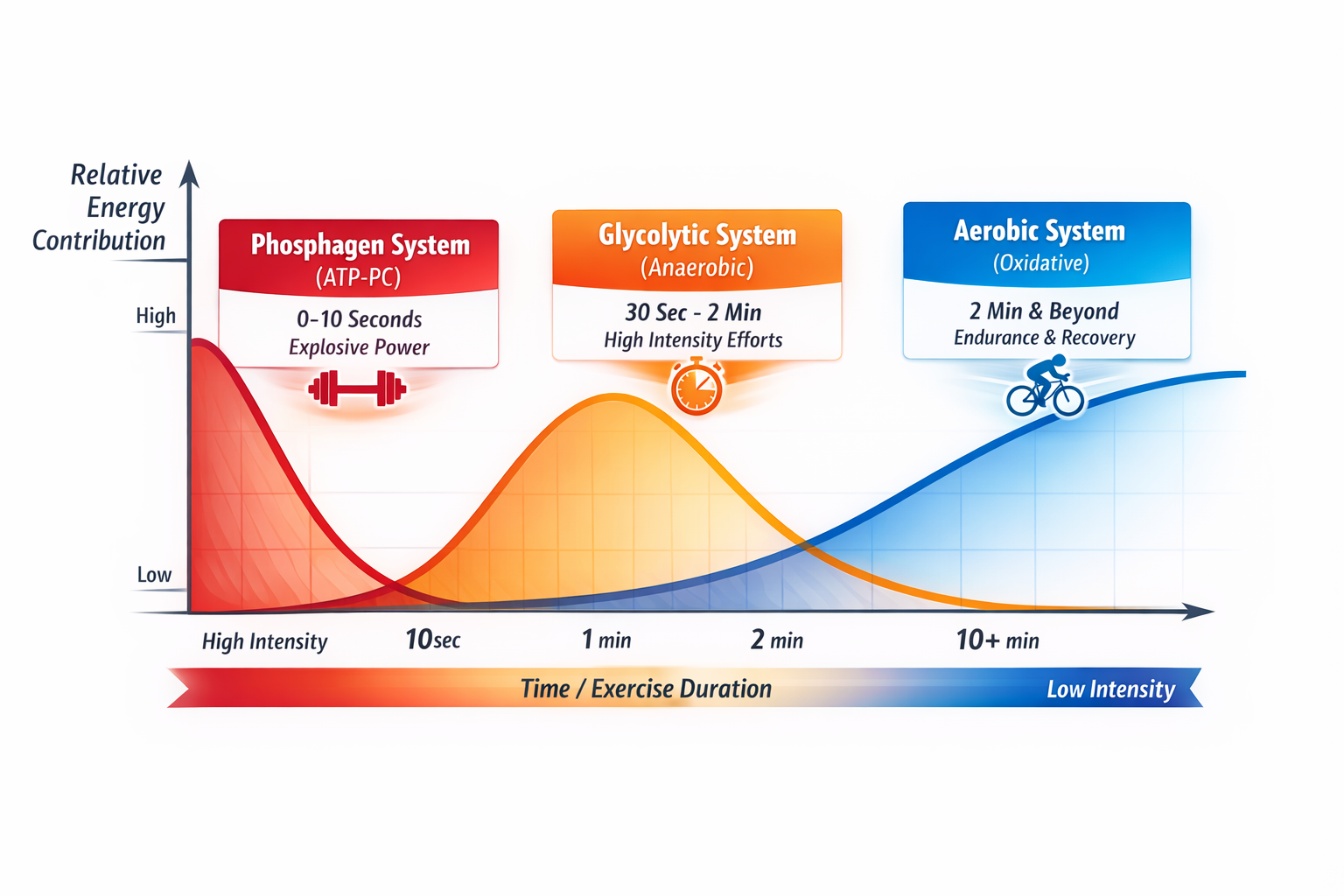
Every well-designed workout should have an intended training effect, often called its intended stimulus. That might mean sustaining a high output for a short period, building aerobic capacity, developing muscular endurance, or practicing a technical movement. The movements, repetitions, weights, and time domain are selected to create that effect.
Imagine a workout designed to take eight to twelve minutes, combining relatively light barbell movements with rowing. The goal is to maintain a challenging pace with short transitions. If you choose a barbell weight that forces you to stop after nearly every repetition, you might spend twenty minutes completing something that was intended to take ten.
You certainly worked hard, but the weight changed the workout. Someone using a lighter barbell and maintaining the intended pace may have received a more appropriate conditioning stimulus.
That doesn't make the heavier effort worthless. It just means the workout ended up training something different from what was planned.
Scaling is often described as making a workout easier, but its purpose is to adjust the demands so they better match the athlete's abilities and the intended stimulus. That might mean reducing weight, changing repetitions, modifying a movement, or adjusting the range of motion.
Consider pull-ups in a workout designed around continuous movement. An athlete capable of three difficult pull-ups might technically be able to complete thirty, but if every set requires several minutes of rest, the pulling movement becomes the limiting factor for the entire session.
Reducing the repetitions or using an assisted variation could allow that athlete to maintain the intended conditioning effort while continuing to develop pulling strength.
Of course, if the purpose of the session is specifically to build pulling strength, those difficult repetitions and longer rest periods might be exactly what we want. The appropriate choice depends on what we're trying to improve.
This becomes particularly important with technical movements. Successfully performing a movement once doesn't necessarily mean you're ready to repeat it under fatigue. A coach watching you move can help determine whether you're challenging yourself appropriately or simply accumulating increasingly questionable repetitions.
Before starting a workout, it helps to understand the intended time domain and effort. Is this supposed to be a short, aggressive workout or something you can sustain for twenty minutes? Are the movements meant to be completed in large sets, or is managing heavier loads and longer breaks part of the challenge?
Then consider what might limit you. A barbell weight could be manageable in the first round but too heavy to maintain the intended pace. A gymnastics movement might be technically possible but require enough rest to change the entire workout.
Your readiness matters too. Poor sleep, stress, soreness, and previous training can all affect what makes sense on a particular day. Sometimes the weight that was right last week isn't the best choice today.
These are decisions worth discussing with your coach. Rather than simply asking whether you can lift the prescribed weight, consider how many repetitions you can reasonably perform, what happens to your technique when you get tired, and whether the choice supports the intended training effect.
Sometimes the right adjustment becomes obvious during the warm-up. Other times you'll realize after the first round that your original plan was a little optimistic. It happens.
Prescribed standards are useful. They provide benchmarks, help us measure progress, and give athletes something specific to work toward. For someone interested in competition, developing the ability to meet those standards consistently can be an important training goal.
But training toward a standard and insisting on using it every day aren't the same thing.
Sometimes developing the strength, technique, or conditioning needed for an Rx workout means practicing the exact movements. Other times it means using lighter weights, simpler variations, or different repetitions so you can accumulate more productive work.
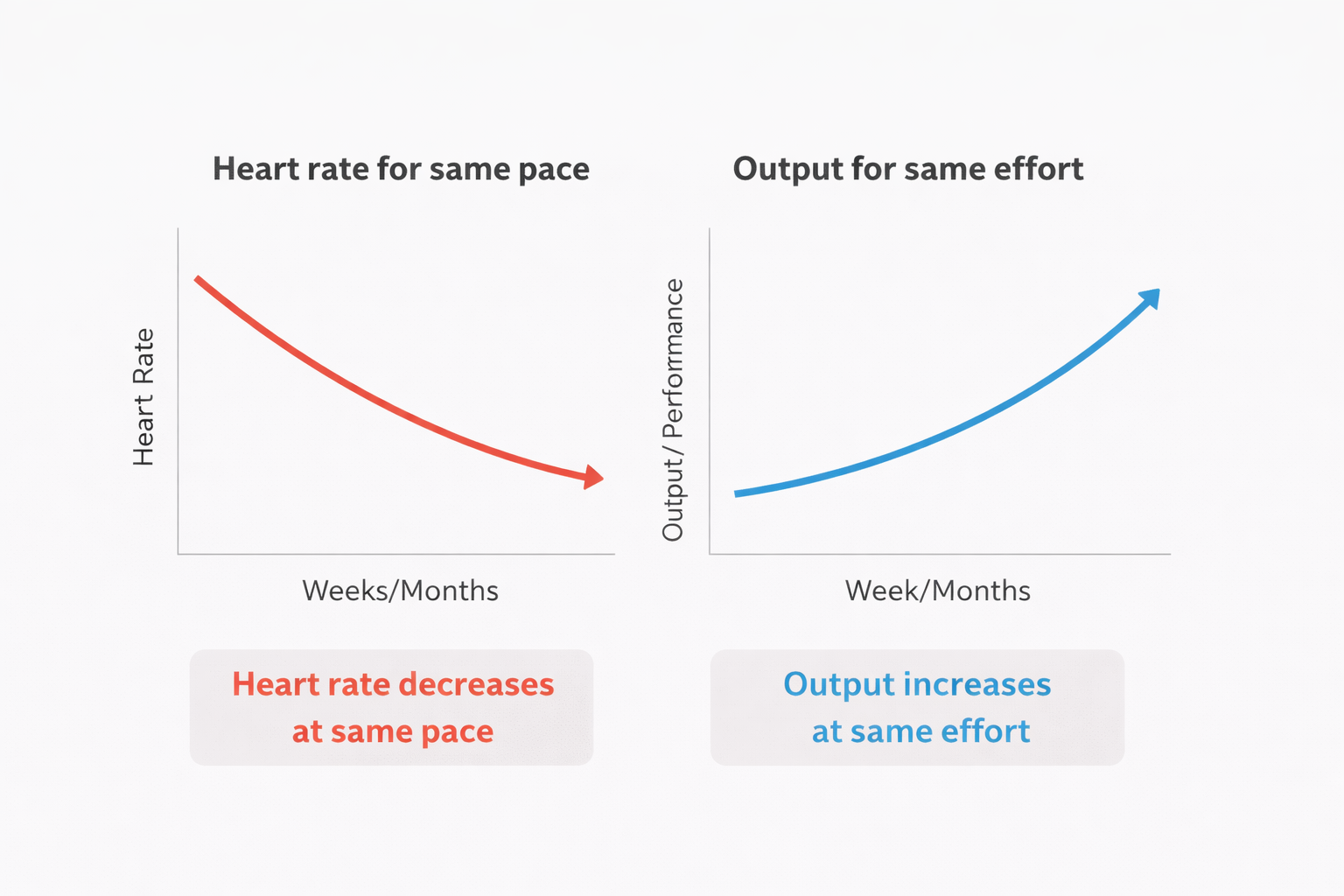
As your abilities improve, the appropriate version of a workout should change. Something that once required significant scaling may eventually become routine, and that's progress worth recognizing.
The next time you're choosing between Rx and a modified workout, consider what you're actually trying to accomplish. If the prescribed version gives you the intended training effect, use it. If another version does that better, there's no reason to let two letters beside your score make the decision for you.