Testing Isn't Training: What Your Results Can and Can't Tell You
Fitness testing can reveal progress, but a single score doesn't tell the whole story. Learn how to interpret results and use them to improve your training.
By
November 16, 2026
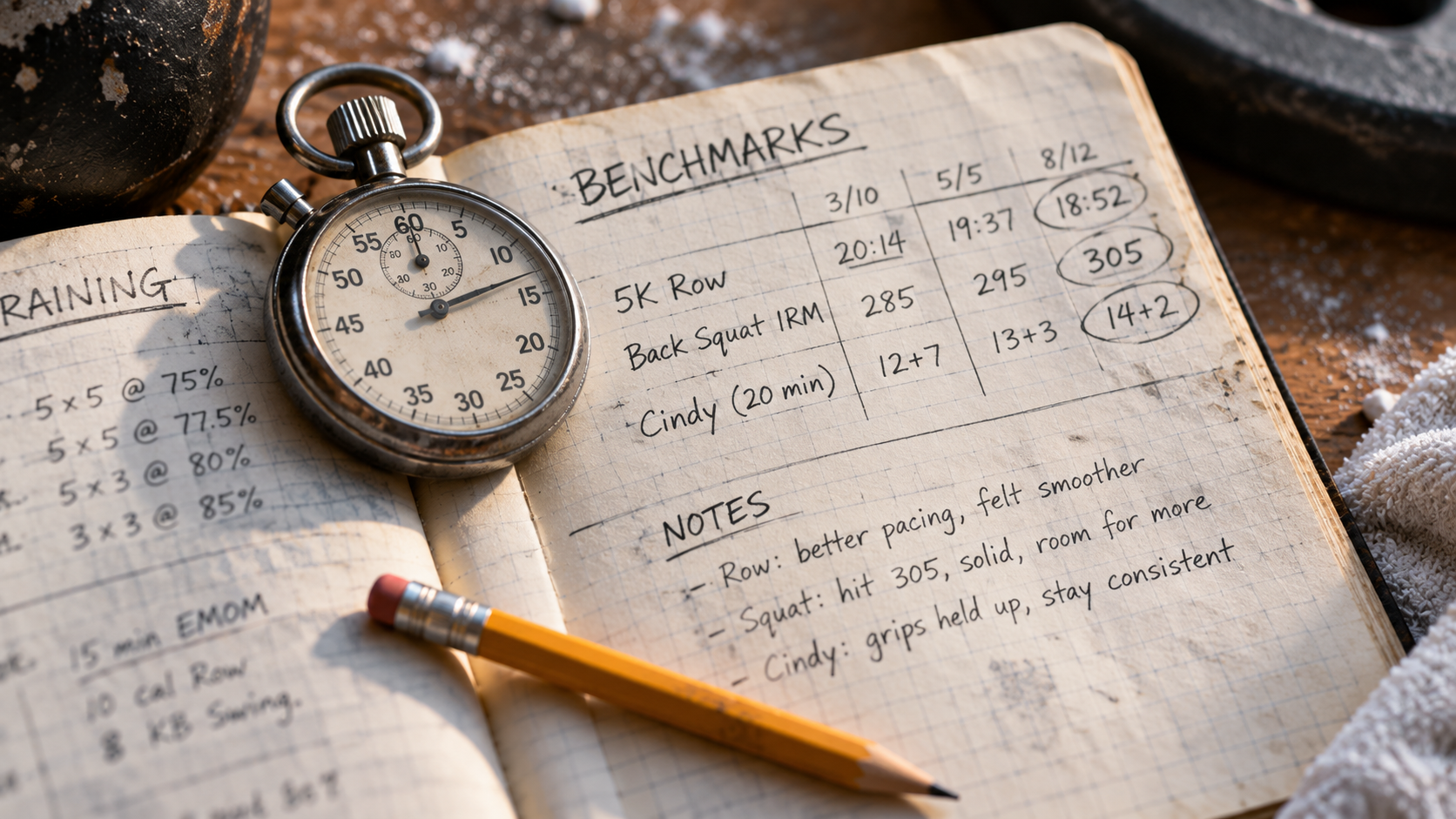
There's something different about a test day. Maybe you're working toward a new one-rep max, repeating a benchmark workout, or seeing how much your conditioning has improved. Whatever the test, there's usually a little more anticipation than on a normal training day.
We want to see progress. After weeks or months of showing up, practicing movements, following a program, and occasionally wondering whether any of it is working, it's nice to have something measurable to show for the effort.
But testing and training serve different purposes. Training is what develops our abilities. Testing gives us an opportunity to see what those abilities look like under a particular set of conditions.
Understanding that difference helps us get more value from both.
A fitness test is a snapshot of what you're capable of doing at a particular moment. It might measure the heaviest weight you can lift, how quickly you can complete a distance, how many repetitions you can perform, or how well you can sustain an effort.
Those results are useful because they provide an objective reference point. If your previous best back squat was 185 pounds and you successfully lift 205, you've demonstrated an improvement in your maximum strength.
But a test doesn't necessarily tell us everything that contributed to the result.
Maybe you've gotten stronger. Perhaps your technique has improved, allowing you to express strength you already had. You might be more comfortable attempting heavy weights, or you've learned how to pace yourself more effectively.
Usually, progress involves some combination of these things.
That's why coaches pay attention to more than the final number. How you move, where you struggle, how consistently you perform, and what changes under fatigue can tell us as much about your training needs as the score itself.
It's easy to recognize progress when the number goes up. A heavier lift or faster time gives us something concrete to celebrate, and there's nothing wrong with enjoying those moments.
The harder situation is when the result doesn't improve.
Suppose you tested your deadlift three months ago and lifted 275 pounds. Since then, you've been training consistently, but when you test again, you only manage 270. Does that mean the previous three months were wasted?
Not necessarily.
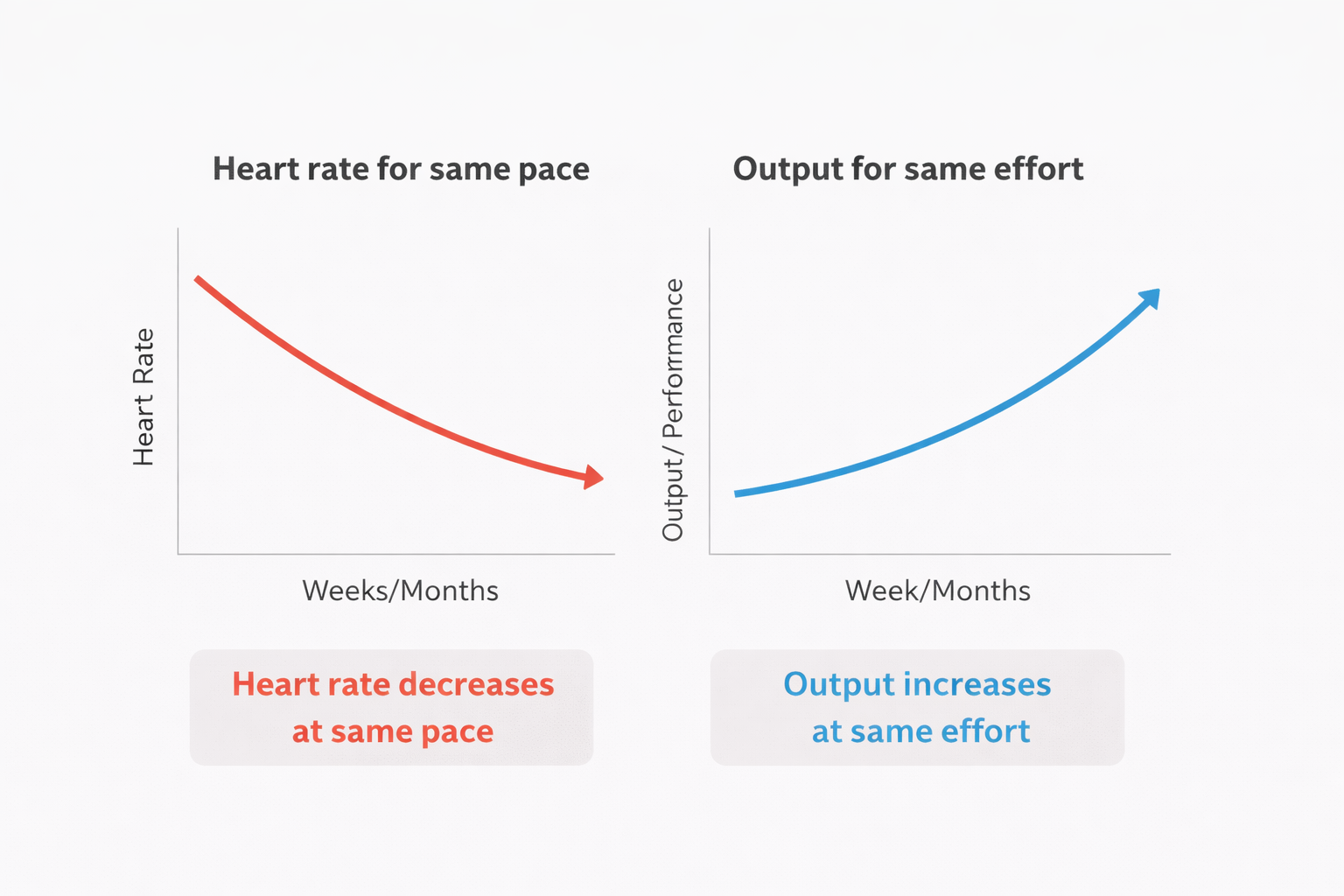
Performance is influenced by several factors, including fatigue, sleep, nutrition, stress, and how prepared you are for the specific test. Even when your underlying fitness has improved, you won't necessarily produce your best performance every time you try.
It's also possible that your training has emphasized other qualities. Maybe your conditioning improved considerably while strength received enough attention to maintain most of what you'd developed. Depending on your goals, that could be a perfectly reasonable outcome.
Of course, sometimes a disappointing result really does indicate that something needs attention. The important part is understanding the circumstances before deciding what the number means.
One test gives us information. Several tests, combined with the training that happened between them, give us a much clearer picture.
If we're going to compare results, we need to make sure we're comparing reasonably similar efforts.
That means paying attention to the standards, equipment, movements, and conditions used during the test. A squat performed to a different depth isn't necessarily comparable to the previous attempt. A benchmark workout completed with different weights or movement variations may still be useful, but it isn't an exact comparison.
Even pacing can make a significant difference.
Someone repeating a rowing test might have considerably better conditioning than before but perform poorly because they started too aggressively. The result tells us something about their performance that day, including how they managed the effort, but it doesn't automatically mean their aerobic fitness declined.
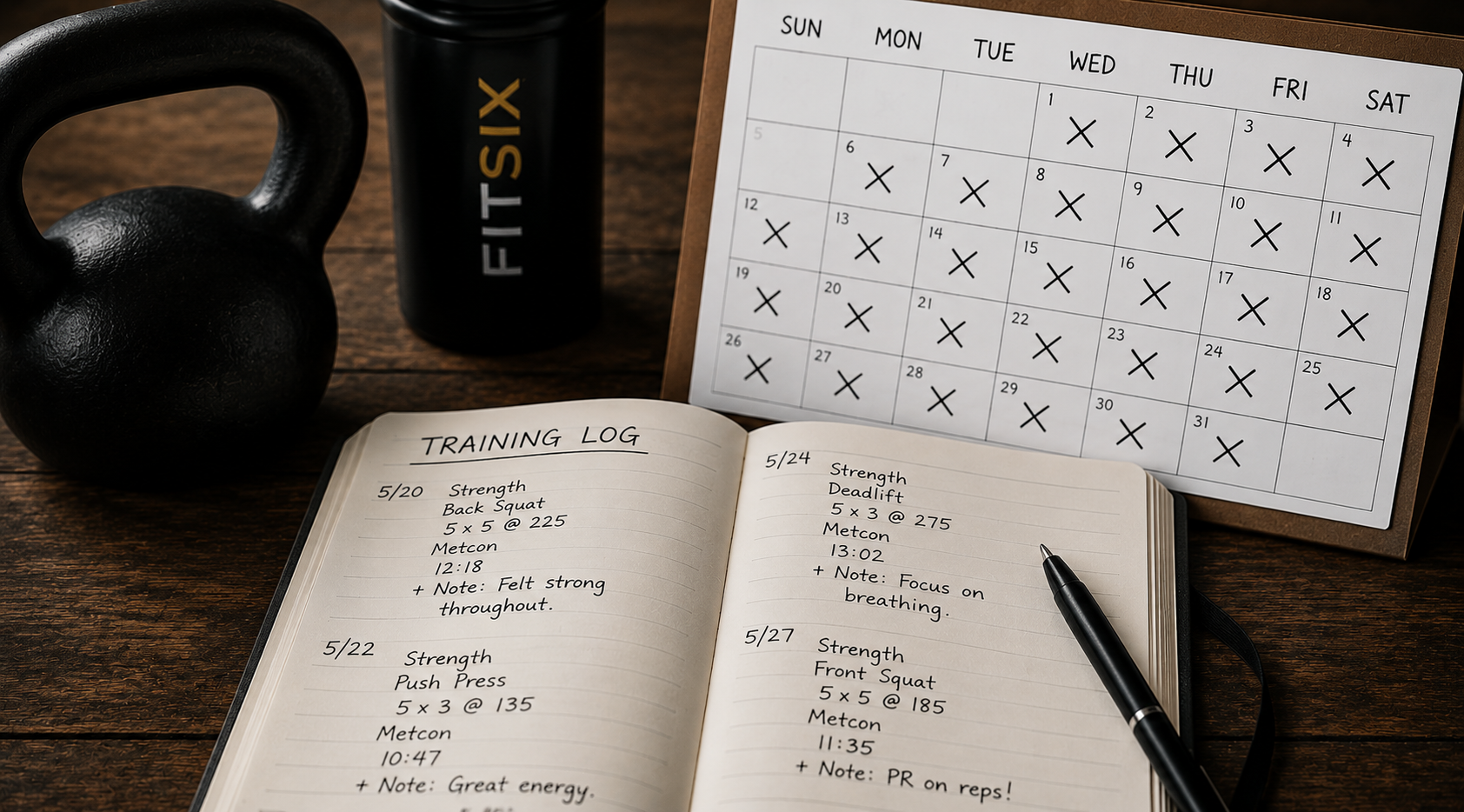
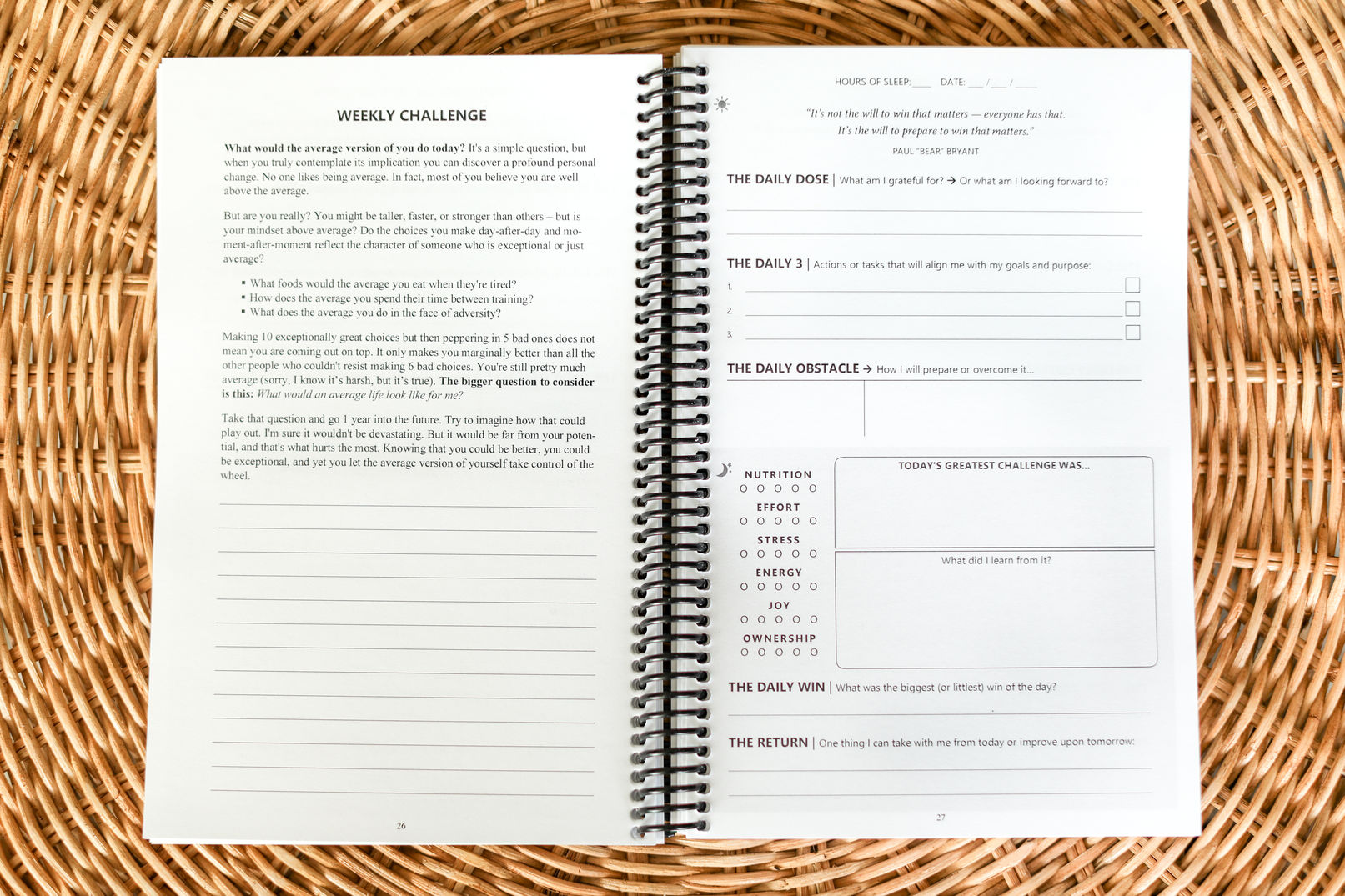
This is one reason recording more than just the final score can be helpful. Note the weights, modifications, and any circumstances that affected the session. If something felt unusually good or bad, write that down too.
You don't need a detailed scientific report after every workout. A few useful notes can make future comparisons considerably more meaningful.
The real value of testing comes from what we learn and how we use that information.
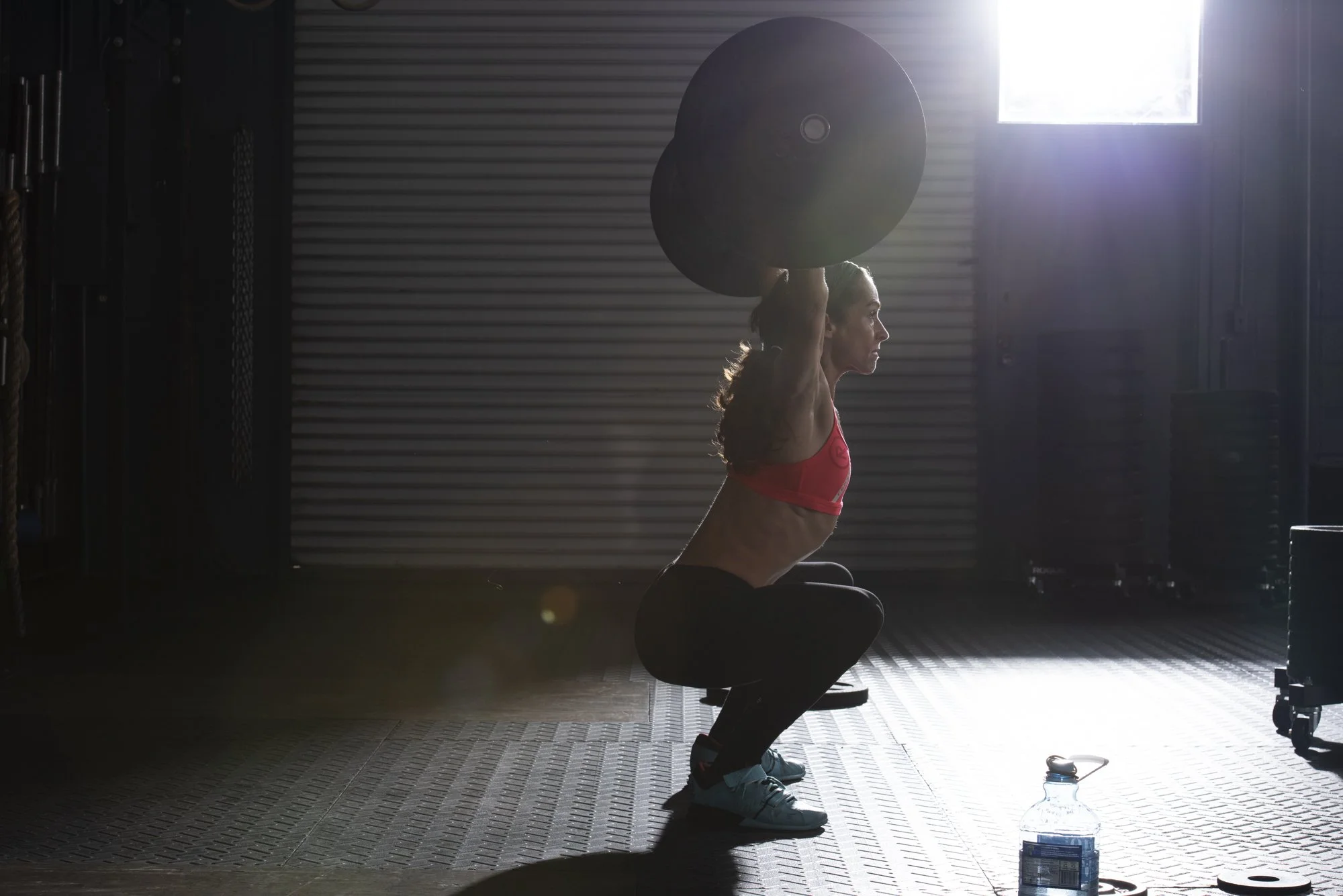
Imagine testing your clean and discovering that you're pulling the bar high enough but struggling to receive it in a stable position. Simply attempting a heavier clean every week probably isn't the most effective solution.
You may need more practice with your receiving position, better timing, improved mobility, or additional strength in the front squat. A coach watching your attempts can help identify which limitation deserves attention.
The same applies to conditioning. If your benchmark time hasn't improved, looking at where you slowed down might reveal more than the final result. Perhaps your pacing needs work, a particular movement is limiting you, or you lack the endurance to sustain your initial output.
Testing helps identify those limitations. Training is where we address them.
It can also confirm that the current approach is working. If performance is improving, movement quality is getting better, and you're recovering well, there may not be much reason to change anything.
Sometimes the most useful information is that you should keep doing what you're doing.
There's value in occasionally pushing beyond the controlled efforts we use during normal training. Testing gives us opportunities to express what we've developed, experience the demands of a maximum effort, and learn how we respond when performance becomes the priority.
But that approach isn't appropriate for every session.
If we're constantly attempting maximum lifts, racing every workout, or trying to beat every previous score, we leave less room for the practice and progressive training that actually produce improvement. Hard efforts create fatigue, and not every training day needs to establish a new limit.
Most progress happens through work that isn't particularly remarkable on its own. We repeat movements, gradually increase demands, refine technique, build capacity, and recover well enough to do it again.
Over time, those sessions create the conditions for better performances.
When a test comes around, give it an appropriate effort and record what happened. Enjoy the personal records when they come, but don't ignore everything else the session tells you.
Then use that information to decide what deserves your attention next.